Commercial aviation operates on a razor-thin margin of trust. When an anonymous tip claims an explosive device is hidden in the cargo hold of a transatlantic aircraft, protocols kick in immediately, leaving zero room for hesitation. That exact scenario unfolded when a Delta Air Lines flight traveling from New York’s John F. Kennedy International Airport to Ben Gurion Airport near Tel Aviv was met with a heavy security response upon landing.
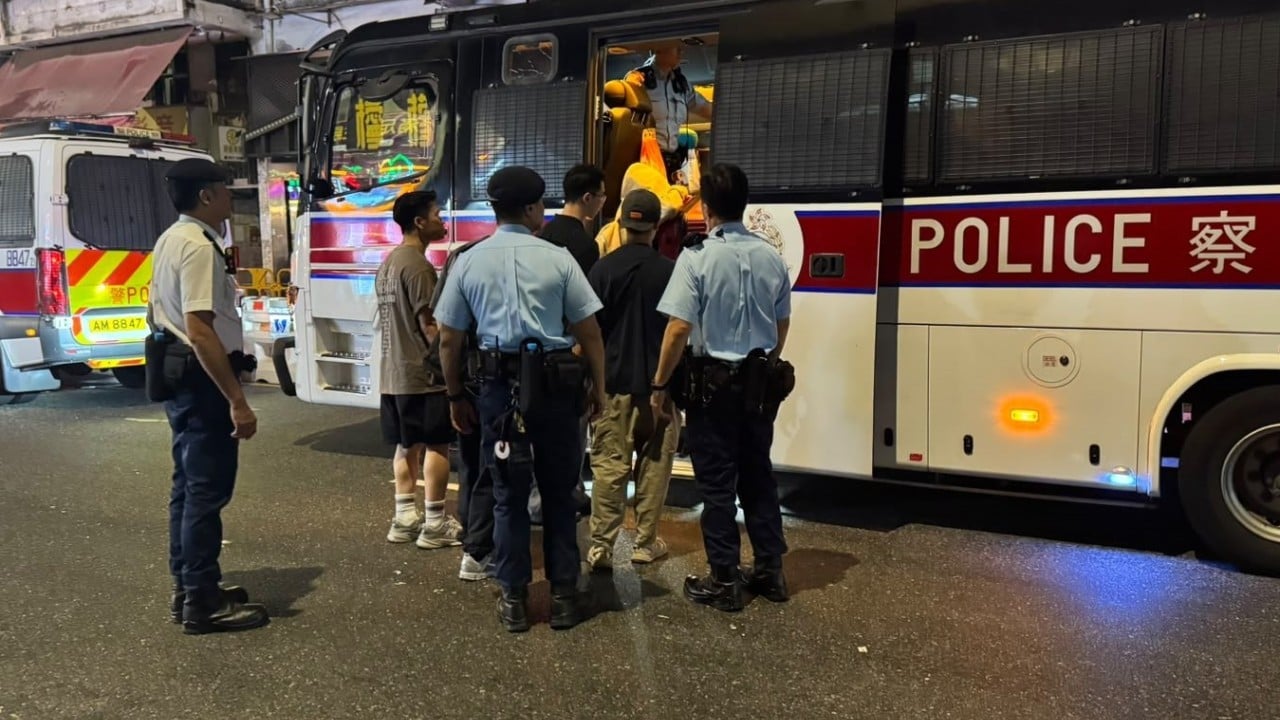
Passengers were rushed off the aircraft and into the terminal while specialized teams combed through the cabin and cargo areas. In the end, the Israel Airports Authority confirmed that the threat was a false alarm, resulting in no unusual findings. Yet, treating every single threat as an absolute reality is the only way modern aviation security survives. You simply cannot afford to guess wrong even once.
The Reality Behind Transatlantic Flight Threats
When a bomb scare hits a flight heading toward a high-security airspace like Israel, the operational response is immediate and uncompromising. The aircraft involved, an Airbus A330 carrying well over 170 passengers and crew members, was towed to a remote area of Ben Gurion Airport for extensive sweeps.
Hoaxes carry a massive economic and psychological toll. They disrupt tight airline schedules, strand weary travelers in terminals, and drain local emergency resources. Law enforcement agencies take these calls seriously because ignoring one could spell catastrophe. Security officials noted that while indicators quickly pointed toward a potential hoax during the handling of the situation, standard procedure dictates that the plane remains locked down until every inch of the hull is cleared.
The tension didn't stop with that single arrival. Ground personnel and intelligence services faced secondary alerts shortly after, with another Delta aircraft scheduled for the New York to Tel Aviv route being held on the tarmac in the United States for thorough pre-flight clearances. Multiple checks within a 24-hour window highlight how quickly a routine route can turn into a logistical nightmare for carriers and security teams alike.
Why Recent Cockpit Incidents Amplify the Panic
Context matters immensely in aviation security. This string of bomb threats didn't happen in a vacuum. It landed hot on the heels of a terrifying mid-air cockpit attack involving a flydubai flight operating toward Tel Aviv.
In that incident, a co-pilot launched a violent attack using an axe against the captain while cruising over Jordanian airspace. Investigations revealed a chilling plot to crash the commercial airliner into infrastructure near Ben Gurion Airport. Only quick thinking, physical restraint by passengers, and an injured pilot fighting back to open the cockpit door prevented an absolute disaster.
When pilots and passengers are already reading headlines about cockpit breaches and axe attacks, an anonymous bomb threat hits differently. Crew anxiety spikes, passenger vigilance reaches an all-time high, and airport authorities adopt a zero-tolerance posture. Every strange noise, every unverified tip, and every delayed departure gets amplified across global news feeds within minutes.
How Airlines and Airports Handle High-Risk Routes
Operating flights into high-profile international destinations requires coordination between multiple intelligence agencies across continents. When a flight departs JFK for Tel Aviv, U.S. and Israeli security apparatuses share manifest data, background checks, and threat assessments long before wheels touch the tarmac.
Airlines like Delta build redundancy into their security layers, but they rely heavily on government intelligence to intercept threats before they materialize. If you fly internationally today, you'll notice stricter gate screenings and heightened scrutiny on luggage matching. These aren't just bureaucratic hurdles; they are direct reactions to an increasingly complex threat landscape where bad actors test the edges of passenger compliance and airport screening gaps.
Governments are now reviewing international transit agreements and cockpit security enforcement to close any vulnerabilities exposed by recent events. For travelers, this means longer security queues and tighter bag checks are here to stay. Keep your travel documents ready, pay attention to crew instructions, and expect security protocols to shift dynamically based on real-time threat intelligence.