Public pressure actually works. When the Australian government announced plans to sell off dozens of Defence-owned properties across the country, officials expected a quiet administrative process that would raise cash and clear out aging real estate. Instead, they triggered a fierce nationwide backlash that forced a humiliating retreat on four historic military sites.
If you've followed Australian infrastructure and heritage debates over the last few years, this outcome isn't entirely shocking. The federal government wanted to offload underutilized Defence sites—many sitting on prime coastal and inner-city real estate—following recommendations from the 2023 Defence Strategic Review. That review pushed the Australian Defence Force to consolidate its footprint, cut maintenance costs on ageing buildings, and redirect money toward modernizing capabilities in the north. On paper, selling old barracks and drill halls made plenty of financial sense. In practice, Canberra badly misread how fiercely local communities, veterans, and heritage advocates would fight to keep public land out of private developers' hands.
What Triggered the Defence Estate Sell-Off
To understand why the government reversed course, you first have to look at why they tried to sell these properties in the first place. The Department of Defence is one of the largest landholders in Australia, managing millions of hectares of training ranges, bases, and historic urban facilities. Keeping heritage-listed brick barracks from the 19th century up to modern safety standards costs tens of millions of dollars every year.
Following the Defence Strategic Review, the government identified dozens of sites deemed surplus to modern military requirements. The pitch was straightforward. Selling these sites would raise hundreds of millions of dollars for Defence capability upgrades while opening up land for housing and urban renewal.
Here's where the logic fell apart. Many of these sites weren't empty warehouses or disused airfields in the middle of nowhere. They were active community hubs, home to Australian Army Cadets, local RSL sub-branches, historical societies, and green open spaces in densely populated cities. When news broke that iconic sites—including Victoria Barracks in Sydney, Victoria Barracks in Melbourne, Victoria Barracks in Brisbane, and Spectacle Island in Sydney Harbour—were on the chopping block or under review for divestment, the reaction was immediate and unforgiving.
The Four Historic Sites Saved From the Auction Block
Let's be clear about what was actually at stake. We aren't talking about generic office buildings. The four major historic sites spared from sale represent over a century of Australian military and architectural history.
Victoria Barracks in Sydney
Built between 1841 and 1848 using convict labor and locally quarried sandstone, Victoria Barracks in Paddington is one of the finest examples of colonial Georgian architecture in Australia. It sits on prime inner-east Sydney real estate. When locals and heritage groups realized the federal government was seriously considering offloading it, alarm bells rang across New South Wales. Critics pointed out that once a site like Paddington's Victoria Barracks goes into private hands, the public rarely gets meaningful access back, regardless of whatever heritage overlays get promised during the sale process.
Victoria Barracks in Melbourne
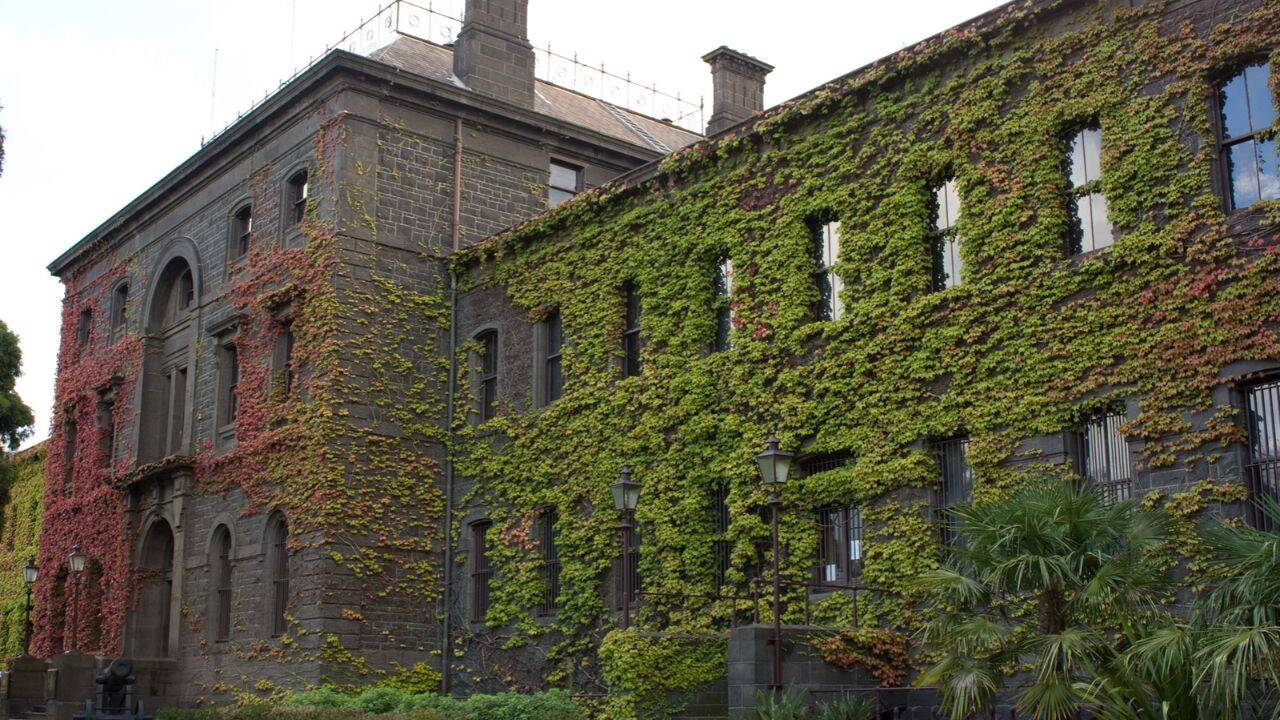
Sitting prominently on St Kilda Road, Melbourne's Victoria Barracks served as the administrative heart of Australia's war effort during both World Wars. Prime Ministers, generals, and intelligence chiefs planned major campaigns inside its bluestone walls. Selling off a building woven so tightly into the fabric of Melbourne's civic identity sparked outrage from Victorian heritage groups, state politicians, and everyday residents who viewed the move as short-sighted asset stripping.
Victoria Barracks in Brisbane
Constructed in the 1860s in Petrie Terrace, Brisbane's Victoria Barracks is the oldest military installation in Queensland. Like its counterparts in Sydney and Melbourne, it occupies valuable inner-city land. Local community groups quickly mobilized, arguing that Brisbane was already losing too much historic fabric to rapid urban development ahead of the 2032 Olympic Games.
Spectacle Island in Sydney Harbour
Located near the mouth of the Parramatta River, Spectacle Island has served as a naval armaments depot and maritime heritage repository since the 1860s. It holds one of the most significant collections of Royal Australian Navy artifacts in the country. Attempting to privatize or redevelop a harbour island with deep naval significance proved completely untenable once maritime historians and veterans spoke up.
Why the Protests Worked When Other Campaigns Fail
Most anti-development protests in major Australian cities fizzle out after a few weekend rallies and a strongly worded petition. This campaign succeeded because it built an unusual political coalition that neither Labor nor the Coalition could easily ignore.
First, veterans' organizations and current service members treated the proposed sales as an insult to military heritage. You can't spend billions of dollars promoting national remembrance and Anzac legacy while simultaneously auctioning off the very barracks where generations of Australian soldiers trained and deployed. That contradiction was too obvious for politicians to spin.
Second, state governments and local councils pushed back hard. In Sydney, Melbourne, and Brisbane, local mayors and state heritage ministers realized that if the federal government sold these sites, state taxpayers would inevitably get stuck managing the planning fallout, traffic congestion, and public backlash over high-density redevelopment.
Third, heritage architects and urban planners exposed a major flaw in the federal government's housing argument. Officials had hinted that selling surplus Defence land could help ease Australia's housing crisis. Planning experts quickly dismantled that claim. Heritage-listed 19th-century sandstone and bluestone barracks cannot be easily converted into affordable apartments. Retrofitting them costs a fortune, meaning any private buyer would inevitably turn them into ultra-luxury apartments, high-end hotels, or exclusive private clubs. Nobody in Sydney or Melbourne was going to get affordable housing out of a privatized Victoria Barracks.
What Most People Get Wrong About Heritage Divestment
Whenever a government tries to sell public assets, the debate gets framed as a simple battle between nostalgic preservationists and practical economic reformers. That framing is lazy and usually wrong.
I've watched urban renewal projects across Australia for years, and the biggest mistake governments make is treating public heritage land as a one-time cash cow rather than a permanent civic asset. Once you sell crown land in the middle of Sydney or Melbourne, it is gone forever. No future government will ever have the budget to buy back 12 hectares in Paddington or prime frontage on St Kilda Road.
At the same time, keeping these sites in public hands doesn't mean leaving them frozen in amber. The real challenge for the Department of Defence and the federal government now is figuring out how to pay for their upkeep without locking the public out. Many of these barracks sit behind high walls and strict security perimeters, meaning taxpayers fund their maintenance without ever stepping foot inside.
How Defence Can Actually Make These Sites Work
Saving the four historic sites from sale is only half the battle. If the Department of Defence simply leaves them underutilized while complaining about maintenance bills, the exact same divestment arguments will resurface in five or ten years.
To keep these properties permanently viable in public hands, the government needs to adopt a more flexible management model:
- Open up non-sensitive zones to the public. Parts of Victoria Barracks in Sydney and Melbourne do not require high-level military security clearances. Opening courtyards, parade grounds, and museums on weekends creates genuine public value and builds lasting community support.
- Create dedicated heritage trusts. Transferring management of non-operational historic buildings to independent public trusts—similar to how the Sydney Harbour Federation Trust manages Cockatoo Island and Middle Head—allows sites to generate revenue through cultural events, tours, and commercial leases without sacrificing public ownership.
- Separate operational Defence budgets from heritage upkeep. Forcing the Australian Defence Force to pay for 19th-century roof repairs out of the same budget meant for submarines and missiles creates a perverse incentive to dump historic properties. Heritage conservation should be funded directly through federal cultural and infrastructure budgets.
If you live near one of these sites or care about how public land gets managed in your city, keep paying attention to the upcoming Senate estimates hearings and local council planning reviews. Governments rarely abandon land sales permanently without a fight—they usually just wait for the headlines to fade before quietly restructuring the proposal. Check your local council's heritage register, support community trusts like the Sydney Harbour Federation Trust, and hold federal MPs accountable whenever crown land gets treated like a quick budget fix.