The Strategic Blueprint: Asymmetric Chokepoint Economics in the Strait of Hormuz
Conventional commentary treats maritime attacks in the Strait of Hormuz as impulsive acts of retaliation or crude attempts to block shipping lanes. That framing misreads the incentive structure of an actor facing superior conventional naval power. When a state cannot win a symmetric fleet engagement, it shifts from physical denial of passage to cost-imposition on supply chains. By raising war-risk insurance premiums, forcing route diversions, delaying vessel turnarounds, and converting a public waterway into a conditional toll zone, Iran turns a narrow geographic bottleneck into an economic pressure instrument.
This analysis strips away surface-level headlines to examine the underlying mechanics of maritime escalation in the Strait of Hormuz. First, it maps the analytical blind spots in standard reporting on the crisis. Second, it defines the core variables—chokepoint elasticity, toll-seeking behavior, and convoy friction—that govern how pressure transmits from Gulf waters to global energy, fertilizer, and industrial markets. Third, it separates verified operational developments from educated strategic hypotheses and sets out a disciplined response framework for maritime operators and policymakers.
Deconstructing Standard Coverage of Hormuz Escalation
Most commentary explaining why Tehran intensifies attacks in the Strait of Hormuz relies on three overlapping shortcuts:
- The Total-Closure Fallacy: Analysts often write as though Iran seeks or achieves a permanent, binary shutdown of the strait. In practice, full closure carries severe self-inflicted costs, including provoking overwhelming coalition strikes and alienating trade partners that rely on Gulf crude and petrochemicals. Intermittent strikes, selective vessel targeting, and uncorroborated mine claims generate uncertainty without requiring total physical seal-off.
- The Crude-Only Blind Spot: Coverage frequently reduces the strait's importance to crude oil barrels alone. Before the conflict that began in late February 2026, roughly a quarter of global seaborne oil trade and a fifth of global liquefied natural gas (LNG) moved through Hormuz, alongside major shares of internationally traded fertilizers such as urea and ammonia. Disrupting bulk carriers, tankers, and gas vessels affects agricultural input costs and industrial feedstocks, not just refinery margins.
- The Retaliation-Only Trap: Reporting often treats every strike as a simple tit-for-tat reaction to an airstrike, blockade measure, or diplomatic move. While retaliatory timing matters, escalation spikes also serve bargaining and rent-extraction goals—pressuring adversaries over sanctions or port blockades while attempting to extract transit concessions or fees from selected shipping.
What standard accounts miss is the cause-and-effect loop between physical risk and commercial friction. A single projectile strike or mine report does not need to sink dozens of ships to move global markets. It only needs to alter risk pricing for underwriters, shipowners, and charterers, causing vessels to wait, reroute, or demand steep risk compensation.
Four Structural Pillars of Maritime Escalation
1. Asymmetric Cost Imposition vs. Symmetric Naval Power
In classic naval strategy (often associated with Alfred Thayer Mahan), command of the sea rests on decisive battle fleets and sea control. In narrow littoral waters like the Strait of Hormuz, coastal geography favors anti-access and area-denial (A2/AD) economics. Shore-based drones, missiles, fast attack craft, and naval mines cost a fraction of the warships, escorts, and mine-countermeasure assets deployed to protect commercial traffic.
From an operational standpoint, the attacker optimizes for cost asymmetry:
- Low-cost harassment: A small investment in drones, coastal launchers, or covert mines forces high-value naval escorts and surveillance aircraft into continuous defensive readiness.
- High-value commercial shock: Striking an oil tanker, liquefied gas carrier, or bulk vessel creates immediate human risk, environmental damage along nearby coastlines, and multi-million-dollar hull or cargo exposure.
- Price signaling: Even when physical throughput partially recovers through alternative routes or offshore transfers, elevated risk keeps a geopolitical risk premium embedded in benchmark crude and freight rates.
Consider a commercial tanker operator deciding whether to transit the strait during a spike in drone or missile incidents. Even if naval escorts reduce the probability of a catastrophic hit, the crew faces heightened danger, the hull faces potential strike damage, and war-risk insurance premiums surge. The rational commercial response is hesitation, speed adjustments, or refusal without explicit risk backstops—achieving part of the adversary's disruption objective without a formal blockade.
2. Selective Gatekeeping and Toll-Seeking Leverage
A second mechanism driving intensified pressure is conditional access. Rather than treating every vessel identically, Tehran has combined threats and interdictions with selective exemptions, escort resistance, and claims of sovereign authority or transit fees.
Economically, turning a shared international transit corridor into a contested gate creates monopoly rent-seeking incentives. When an actor claims authority over who passes and under what terms, commercial players face a painful dilemma: pay or comply to keep cargo moving, or resist and absorb delay, rerouting, or escalation risk. Neighboring Gulf producers and shipping firms strongly resist paying transit tolls or seeking permission in waters historically treated as open transit corridors, which is why naval escorts and counter-strikes continue alongside commercial attacks.
3. Escalation Cycles Tied to Broader Military and Diplomatic Friction
Maritime intensity in Hormuz does not move in a vacuum. When broader conflict escalates—such as strikes on infrastructure or military sites along the strait, naval blockades of Iranian ports, or diplomatic deadlocks—maritime harassment acts as a horizontal pressure valve.
The causal chain operates in two directions. First, external military or economic pressure on Tehran raises the perceived regime and economic stakes, prompting actors to raise costs on global energy and trade channels to force concessions or widen the circle of countries affected by the stalemate. Second, attacks on commercial vessels or regional assets trigger counter-strikes against radar, missile, or naval infrastructure near the strait, which in turn feeds further rounds of maritime provocation.
4. Multi-Commodity Spillovers Beyond Crude Oil
A fourth pillar is the breadth of supply-chain coupling. While crude oil grabs headlines, Gulf exports span refined products, liquefied gas, petrochemicals, and agricultural fertilizers.
- Energy markets: Disruptions tighten physical supply balances and widen regional price spreads, lifting benchmark oil and gas costs.
- Food and agriculture: Because the Persian Gulf supplies a major share of seaborne urea, ammonia, and overall fertilizer trade, prolonged shipping friction passes directly into farming input costs and downstream food inflation.
- Environmental liability: Strikes on tankers and gas carriers introduce spill and fire hazards in confined waters, forcing coastal closures, cleanup operations, and ecological remediation expenses.
Facts Versus Educated Hypotheses
Rigorous strategy requires separating verified mechanics from analytical inference.
Established Facts
- The Strait of Hormuz is a critical maritime chokepoint that carried roughly a quarter of global seaborne oil trade and around a fifth of global LNG prior to the conflict that began in late February 2026, alongside substantial volumes of traded fertilizers.
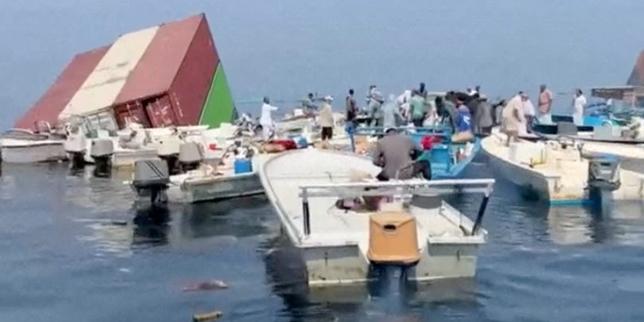
- Attacks on commercial vessels—including oil tankers, gas carriers, and bulk or support ships—have caused crew casualties, vessel abandonments or damage, oil spills, and spikes in maritime risk and freight costs.
- Escalation in the strait has coincided with broader military exchanges, port blockade measures, naval escort operations, and strikes on military and radar sites in the area.
Educated Hypotheses
- Calibration rather than total closure: The pattern of intensified strikes, selective passage claims, and mine assertions is likely calibrated to sustain manageable economic pain and bargaining leverage rather than trigger an all-out war of annihilation that destroys Iran's own coastal and naval infrastructure.
- Insurance and schedule friction as primary multipliers: Even where physical passage remains partially open via escorts, selective routing, or offshore transfers, commercial throughput is likely constrained most heavily by underwriting repricing, crew risk refusals, and schedule bottlenecks rather than physical blockade alone.
- Domestic and coalition strain as the key trigger: Sharp spikes in attack frequency are most likely to occur when Tehran perceives narrowing diplomatic off-ramps or intensifying economic/military pressure, aiming to raise political costs on Washington, regional states, and major energy importers.
Operational Playbook and Strategic Limits
For corporate risk teams, commodity traders, and defense or policy planners, reacting to daily headlines is a losing posture. A structured response follows four sequential steps:
- Quantify exposure by commodity and transit leg, not headline oil alone. Map which feedstocks, fuels, or fertilizers depend on Gulf transit, identify alternative pipeline or export outlets where physically available, and stress-test inventory buffers against multi-week transit delays.
- Price non-kinetic friction into contracts. Build war-risk insurance surcharges, rerouting clauses, demurrage exposure, and force-majeure triggers into chartering and supply agreements before spot rates spike.
- Pair naval escort and counter-battery defense with intelligence verification. Distinguish confirmed physical threats—such as verified missile/drone launches or confirmed strikes—from uncorroborated claims intended to create psychological or market paralysis, while suppressing coastal launch and sensor nodes that enable targeting.
- Align maritime security with diplomatic de-escalation channels. Purely military suppression of coastal launchers faces diminishing returns in narrow waters if underlying political and economic grievances remain unaddressed.
Every option carries real constraints. Naval escorts reduce vulnerability for specific transits, yet they cannot simultaneously cover every commercial hull across an entire region and can draw retaliatory fire. Overland pipelines and alternative ports bypass parts of the chokepoint, but their spare capacity is finite and cannot absorb full Gulf volumes overnight. Government insurance backstops keep ships moving, yet they shift financial risk onto taxpayers without eliminating physical danger to seafarers.
Strategic Action
Treat the Strait of Hormuz not as a temporary shipping glitch, but as a persistent asymmetric contest over supply-chain risk. Energy buyers, logistics leaders, and policymakers should immediately lock in multi-route supply optionality, ring-fence fertilizer and gas exposures alongside crude, and link any military deterrence in the waterway to a clear diplomatic off-ramp—because whoever controls the cost of moving goods through the chokepoint controls the pace of the broader crisis.