The air smells like sulfur and old iron.
If you have ever stood on the tarmac of an island runway when the sky has turned the color of bruised slate, you know the silence that follows. It is not a peaceful silence. It is a weighted, anxious hush. It is the sound of a million tiny, glassy teeth waiting to chew through turbine blades.
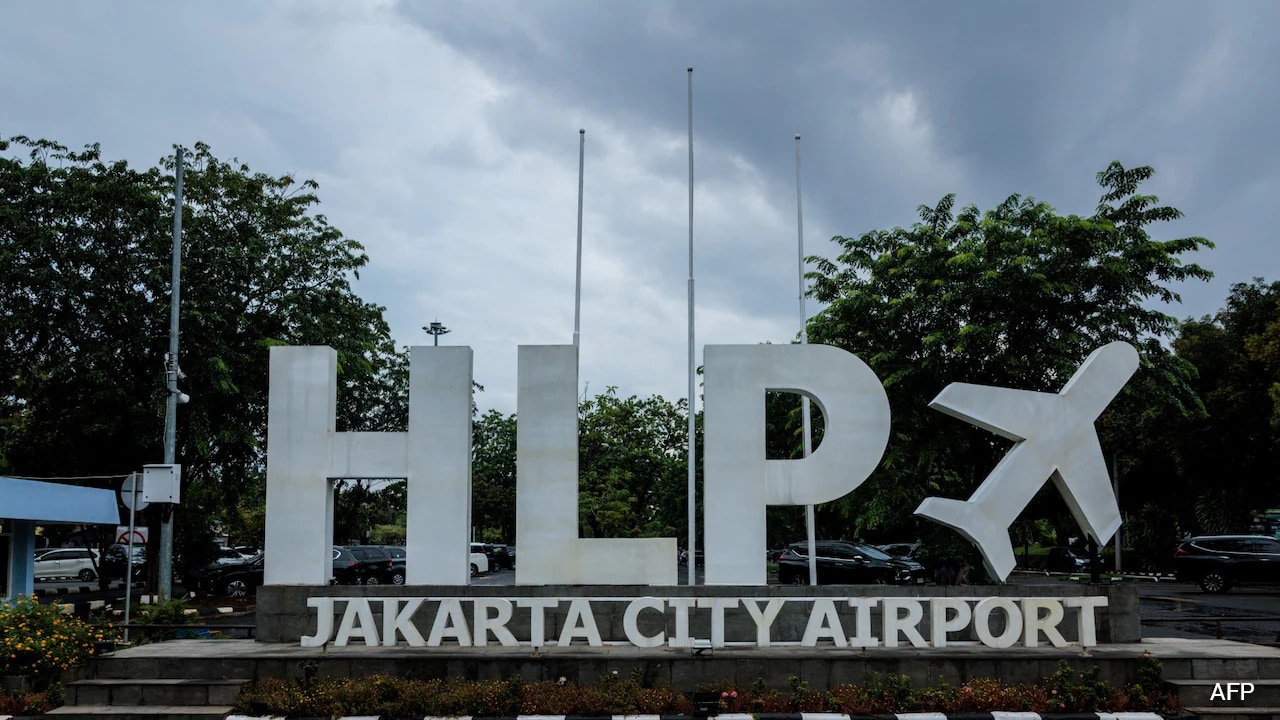
Thousands of travelers are currently discovering this the hard way across the Indonesian archipelago. Volcanic ash is falling like dirty snow, and while the fiery tantrums of mountains like Mount Lewotobi Laki-laki might appear to be calming down from a distance, the authorities are keeping the gates locked. Airports remain closed. Schedules are shredded.
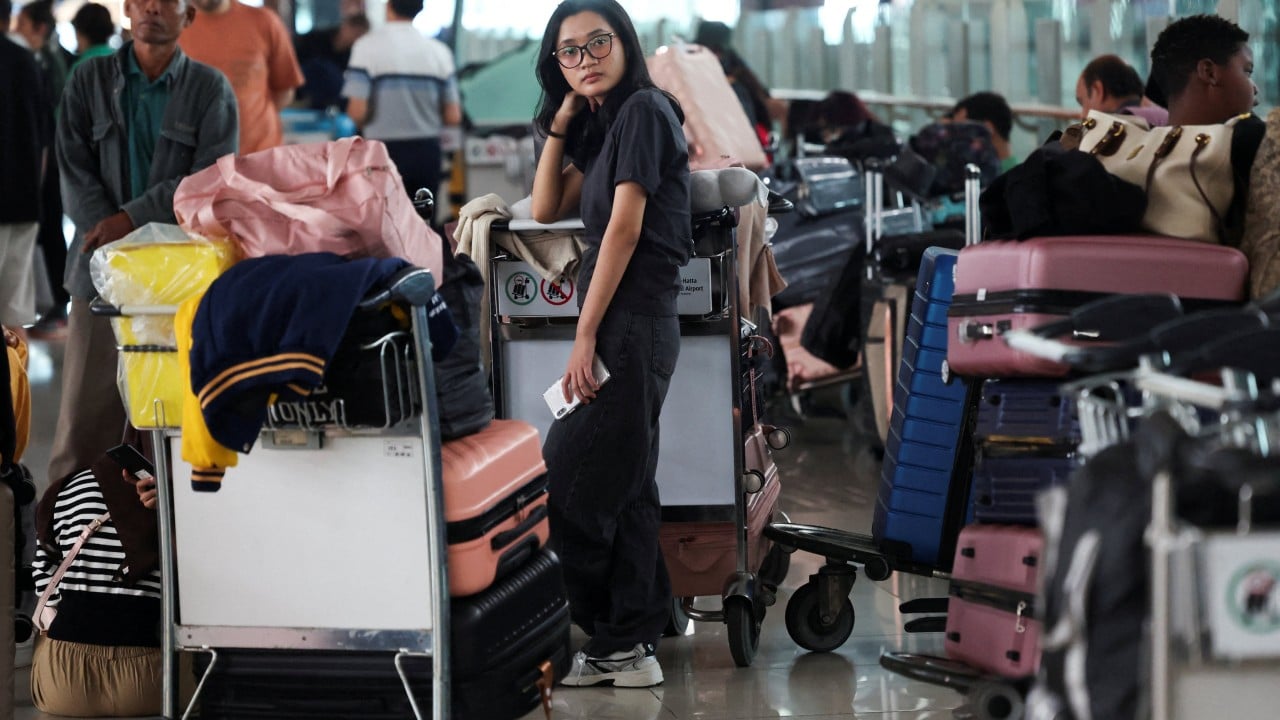
To look at a spreadsheet of canceled flights is to see mere inconveniences: delayed holidays, missed business meetings, rebooked tickets. But step onto the ground in Flores or Bali, and the numbers dissolve into human friction.
Consider a hypothetical traveler named Sarah, stuck in a bustling terminal in Denpasar with a dead phone battery and a backpack smelling faintly of wet travel wipes. She represents thousands of others right now. She came for the emerald rice terraces and the temple bells. Instead, she finds herself staring at a departure board glowing entirely red.
She wants anger. She wants someone to yell at about the easing eruption plumes visible on morning satellite maps. Why keep the airports closed if the peak of the explosion has passed? The mountain stopped screaming hours ago. Why must the planes stay grounded?
The answer lies in the invisible architecture of aviation safety, a realm where hope is a hazard and optimism can be fatal.
Jet engines are essentially controlled blowtorches. They ingest thousands of cubic feet of air every second, burn fuel at blistering temperatures, and spit thrust out the back. When a volcano erupts, it does not just throw heavy rocks; it breathes out billions of microscopic shards of jagged glass, pulverized rock, and mineral dust.
When those microscopic glass shards enter a jet engine operating at nearly two thousand degrees Fahrenheit, something terrifying happens. The volcanic ash melts inside the core of the engine, turning into liquid magma once more. Then, it hits the turbine blades—which run slightly cooler—and solidifies instantly. It coats the internal machinery in a hard, glassy glaze.
Airflow chokes. Engines stall. Power dies at thirty thousand feet.
History teaches us what happens when aviation regulators gamble with these invisible plumes. In 1982, British Airways Flight 9 flew straight into an unmapped cloud of volcanic ash from Mount Galunggung in Indonesia. All four engines flamed out simultaneously. A Boeing 747 became a ninety-ton glider, plunging through the dark night while passengers wrote hurried farewell notes on air sickness bags. The crew managed to restart the engines only after dropping toward the earth like a stone, scraping the volcanic grit from the windshields just enough to see the runway lights of Jakarta.
That memory is why officials are cautious today.
Even when an eruption subsides on the surface, the upper atmosphere retains a ghost story. Winds sweep the pulverized ash across thousands of square miles. It lingers in invisible layers, drifting invisibly above shipping lanes and tourist tracks alike. A volcano does not simply turn off like a kitchen faucet. It exhales slowly, leaving a wake of microscopic hazard that defies the naked eye.
From an economic vantage point, the closure of these aviation hubs is a bleeding wound. Tourism is the lifeblood of these islands. Every day a runway stays dark, small guesthouse owners lose revenue, tour guides miss their daily wages, and supply chains stutter. The local economy relies on the steady, predictable heartbeat of arrivals and departures. When that rhythm flatlines, the cost ripples outward through families and communities who depend on the global traveler's dollar.
Yet, safety requires standing firm against the desperate urge to reopen prematurely.
Travelers pacing the terminal floors do not see the wind currents three miles up. They only see blue skies overhead and feel the tropical heat pressing against the glass doors. The disconnect between ground-level reality and atmospheric danger creates a breeding ground for frustration.
We live in an era that demands instant restoration. If a problem occurs, we expect algorithms to solve it, planes to take off, and routines to resume without friction. Nature mocks that expectation. Geology does not care about your connecting flight to Singapore or your wedding anniversary in Lombok.
As the sun sets over the tarmac, casting long, bruised shadows across grounded wings, the terminal lights flicker on. No announcements boom through the speakers with good news. The barriers remain in place. The guards stand at their posts, unmoving.
Outside, the mountain slumbers beneath a blanket of ash, quiet for the moment, but holding its breath. And down below, people wait, learning the ancient lesson that sometimes the most important movement in travel is knowing when it is entirely necessary to stay put.