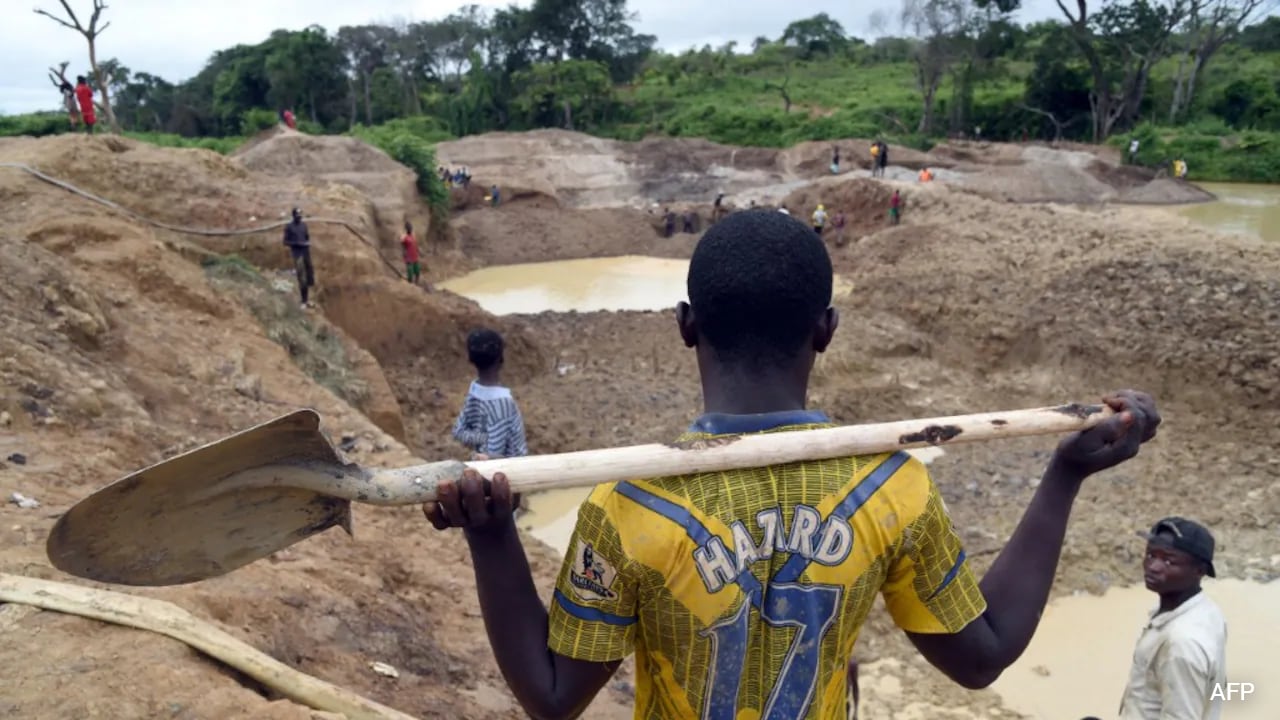
Another preventable catastrophe has struck the mining sector. At least 30 miners are dead after a low-tech artisanal gold mining site collapsed in the western part of the Central African Republic.
The disaster unfolded on a Tuesday morning in the Abba region, located within the Nana-Mambere prefecture. According to accounts from survivors like Florian Gaguende, the pit gave way unexpectedly, trapping a large number of workers beneath tons of earth and mud. Local residents and frantic rescue teams rushed to the site, spending hours pulling 30 bodies from the debris while medical personnel treated the injured. Time ran out quickly for anyone still buried, leaving authorities to admit that survival odds plummeted rapidly as hours ticked by.
Footage from the aftermath showed young men and women covered in mud clawing desperately at the soil. It is a grim picture that repeats itself too often across resource-rich regions of Africa.
The Reality of Artisanal Extraction
Small-scale mining is a lifeline for thousands of people in the Central African Republic. When formal job markets vanish and poverty deepens, panning for gold or digging manual pits becomes one of the few ways to survive.
People do not take these risks because they want to. They do it because they have to.
These operations are worlds away from corporate industrial mining. There are no structural engineers, no safety geologists, and no heavy-duty shoring equipment. Workers rely on hand tools, makeshift wooden braces, and sheer physical endurance. When you dig deep vertical shafts into loose soil without reinforcement, gravity always wins eventually.
The Crisis in Nana-Mambere
The Abba region is no stranger to the pressures of informal resource extraction. Thousands of workers scatter across expansive, unmonitored sites, digging haphazardly in search of precious metals.
Local leadership is often left unequipped to handle the scale of these emergencies. Souleymane Bi, the deputy mayor of the sub-prefecture, issued urgent pleas for external help as communities struggled with bare hands to clear the collapsed pits. Government officials, including spokesman Evariste Ngamana, offered condolences and promised relief efforts, but promises do not rebuild collapsed tunnels or bring back the dead.
Why Safety Reforms Fail
Fixing this crisis requires more than temporary grief from state officials.
- Economic Desperation: As long as extreme poverty persists, individuals will ignore safety hazards to secure daily bread.
- Lack of Oversight: Central governments rarely have the resources or the administrative footprint to police thousands of remote, shifting artisanal sites.
- Equipment Deficits: True safety gear and structural supports are prohibitively expensive for independent diggers who operate on pennies.
Without systemic economic alternatives and strict regulation of small-scale mining plots, tragedies like the one in Abba will keep happening. Every few months, a new pit caves in. Another set of families mourns. The cycle continues because the root causes remain completely unaddressed.