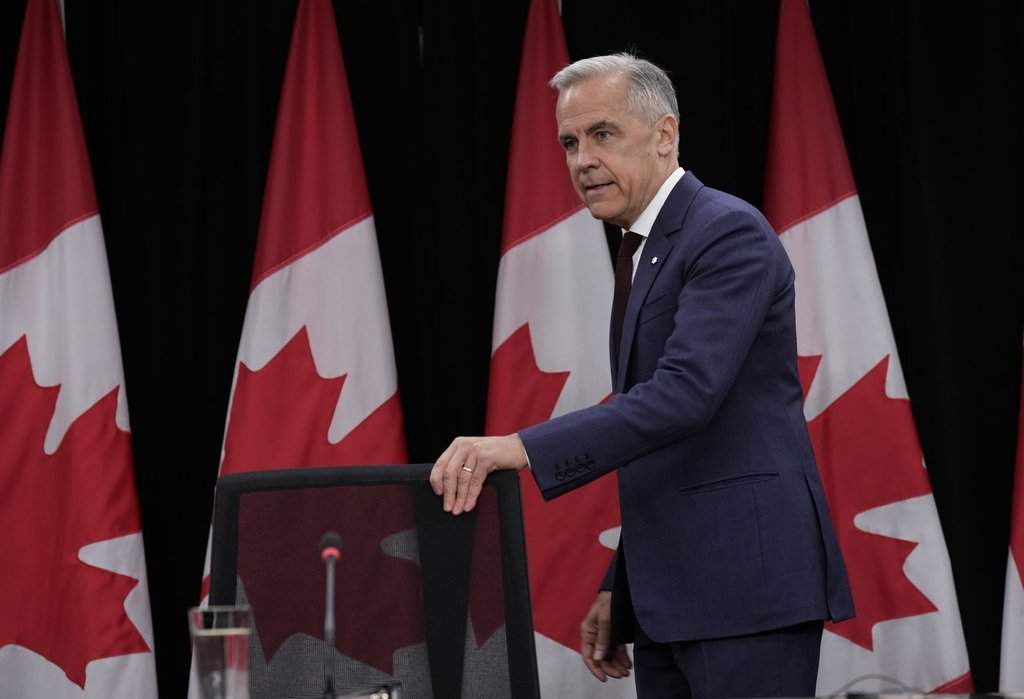
The heavy oak doors of the partisan briefing rooms stay shut until the last possible second. Inside, strategists stare at maps color-coded like heat signatures, tracking the shifting loyalties of neighborhoods where people are currently more worried about the price of groceries than the dates of an election. On the outside, six empty seats sit in the house of power. Six communities remain without a voice on the national stage, their local offices running on skeleton staffs, their grievances piling up in unattended inboxes.
Everyone wants to know the date. The pressure builds in the capital like steam in an old pipe, with reporters shouting questions over the roar of helicopter blades and opposition members pounding their desks in feigned outrage. Meanwhile, you can read similar events here: The Weight of a Seating Chart.
Then comes the answer from the top. Not all at once.
It is a calculated whisper in a room full of screaming voices. By refusing to drop the writs simultaneously, the leadership turns a standard democratic process into a high-stakes game of political chess. It is a strategy of division, of stretching resources, and of controlling the narrative one riding at a time. But while the political operatives view this as a masterclass in tactical pacing, the view from the ground looks entirely different. To understand the full picture, check out the detailed article by The Guardian.
The View from the Kitchen Table
Consider a hypothetical citizen named Martha. She lives in one of those six vacant districts, a place where the local mill closed five years ago and the main street survives on grit and Tim Hortons coffee. For Martha, the lack of a representative isn't an abstract constitutional debate. It means there is no one to push the federal transport ministry to fix the crumbling rail overpass that cuts her town in half. It means when her pension paperwork got snarled in bureaucratic red tape three months ago, there was no member of parliament to call the regional director and sort it out.
She watches the evening news. She sees the leader explain that rolling out the votes sequentially is a matter of administrative efficiency and strategic focus.
Power feels incredibly distant in those moments.
Politics at the highest level operates on a timeline of legacy and survival. For a leader managing a fragile mandate, calling six byelections simultaneously is the political equivalent of betting your entire savings on a single spin of the roulette wheel. If the wind blows the wrong way, a sweep of losses can trigger a full-scale mutiny within the party ranks or invite a vote of no confidence.
Staggering the votes changes the physics of the contest. It allows the national party machinery to descend on a single community with the force of an invading army. They can truck in the high-profile cabinet ministers, flood the local airwaves with targeted ad buys, and fly in hundreds of eager young volunteers from three provinces away to knock on every single door four times over. Once that theater concludes, they pack up the tents, load the buses, and move the entire circus to the next target.
It is highly effective. It is also deeply exhausting for the people who actually live there.
The Economics of a Quiet Campaign
Walk through a town preparing for a solo byelection. The telephone poles are choked with plastic signs, their bright primary colors clashing against the gray asphalt. Because the rest of the country is quiet, the national media spotlights this single community. Truck drivers and schoolteachers find themselves being cornered by national political correspondents on their way out of the grocery store, asked to synthesize the collective anxieties of a nation into a ten-second soundbite.
The financial stakes behind these decisions rarely make the front page. A national campaign has strict spending limits, but a isolated byelection allows a party to concentrate its maximum allowable budget into a tiny geographic area. Money that would usually be spread across hundreds of ridings is poured into a handful of postal codes.
Digital ad algorithms are tuned to target users down to the street corner. For three weeks, every time a resident opens a weather app or watches a video online, they are bombarded with warnings about the ruinous policies of the opposition or the corrupt failures of the government.
This intensity creates a strange, artificial bubble. The local issues that actually matter to the community—the closure of the regional hospital clinic, the lack of affordable housing for young families, the soaring cost of home heating oil—are quickly swallowed by national talking points. The election ceases to be about who will best represent the riding in the capital. Instead, the riding becomes a proxy battleground for a conflict happening hundreds of miles away.
The Long Road to the Ballot Box
The strategy of delay relies on a fundamental truth about human nature: people normalize absence. When a seat sits empty for months, the initial anger of the electorate slowly gives way to a quiet, cynical resignation. People stop expecting their government to work for them because they have grown used to the silence.
But the real problem lies elsewhere. When the votes are finally called weeks or months apart, it creates a tiered system of citizenship. The voters in the first riding get to speak early, their voices shaping the national conversation and potentially altering government policy before the next writ is even dropped. The voters in the final riding are left waiting in the wings, their democratic rights held hostage by a calendar designed in a backroom.
The political calculators will tell you that this is just how the system works. They will point to historical precedents, to campaign finance laws, and to organizational logistics to justify the long, drawn-out process. They will argue that rushing into six concurrent battles is reckless management.
Step away from the strategy boards. Look at the empty chairs in the legislature. Every week that passes without a representative is a week where thousands of people are left without a vote on national legislation, without a voice in committee rooms, and without a champion in the halls of power.
The strategy might win a party a few extra seats. It might protect a leader's flank for another season. But out on the doorsteps, under the fading porch lights where the volunteers have stopped knocking, the lingering feeling is not one of gratitude for a well-paced campaign. It is the cold realization that in the grand calculus of power, your community was just a card held face-down, waiting for the dealer to decide when the time was right to play it.