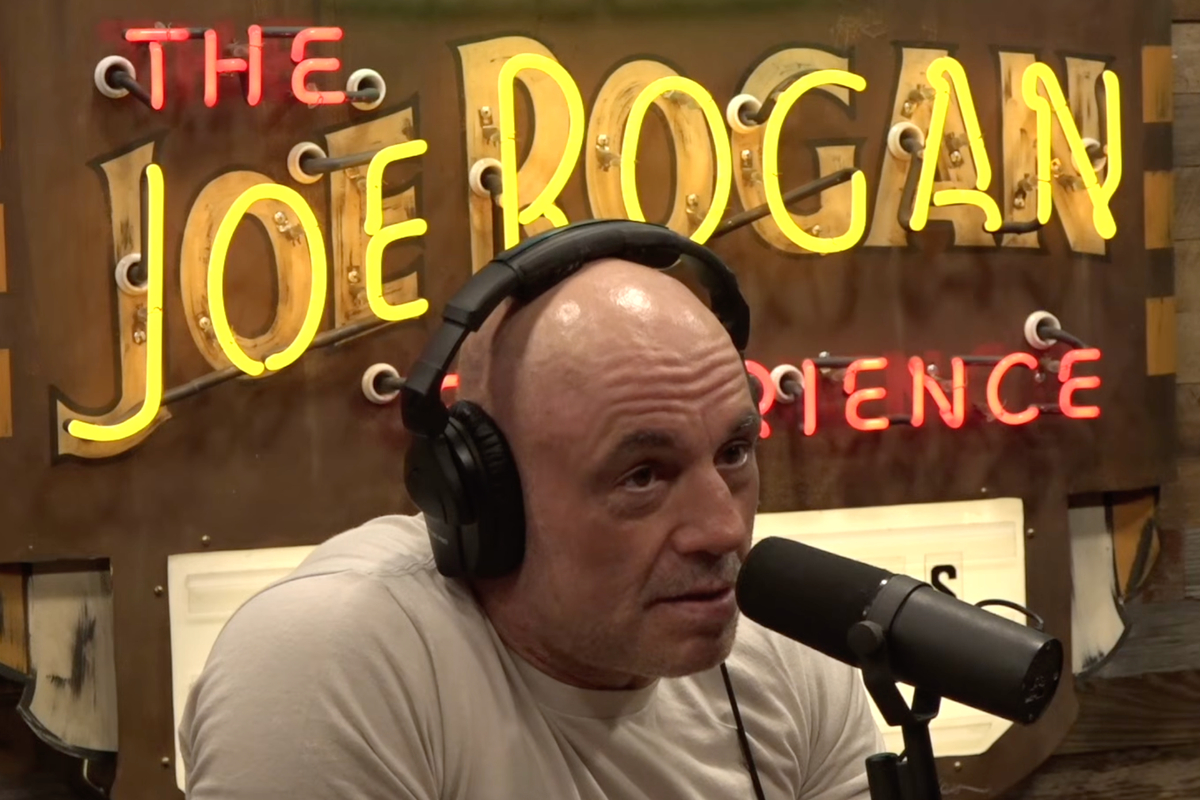
Static hums through the studio monitors. A wooden desk bears the scratches of a thousand unfiltered conversations. Across that desk, feet kicked up, sits a man who has built an empire on the simple, radical act of letting people talk until they reveal who they actually are. Joe Rogan does not care about your political script. He cares about the machinery underneath it.
When the news cycle recently spat out a headline about Donald Trump floating the idea of renaming Lake Ontario, most people reacted with predictable exhaustion. Another day, another provocative pivot. Another headline designed to suck the oxygen out of the room. But on a recent episode of his podcast, Rogan stopped the rolling machine. He looked at the shiny object being tossed into the public square, recognized it for what it was, and called it out directly: a distraction.
Consider the sheer mechanics of attention in the modern era. We live downstream from a firehose of outrage. Every morning brings a fresh, bizarre proposal, a stylistic affront, or a linguistic grenade lobbed into the digital ether. It demands immediate fury or fierce defense. It forces you to pick a jersey. And while you are busy arguing about whether a massive body of fresh water should bear a politician's name, the real architecture of power shifts quietly in the dark.
Think about sitting in a quiet kitchen after a long shift, looking at a utility bill that makes your stomach drop. Think about the inflation quietly eating away at grocery budgets, the housing market locked behind an iron gate, or the complex, grinding gears of foreign policy that affect real lives on distant soils. Those are heavy things. They require deep thought, institutional failure analysis, and uncomfortable truths. Naming a lake? That is easy. That is theater.
Political sleight of hand is older than the republic itself. Magicians call it misdirection. The left hand flashes a bright, glittering object to draw every eye in the auditorium while the right hand moves the actual card. When a public figure throws out an absurd, headline-grabbing concept like a major geographic renaming, they are not drafting a serious zoning proposal. They are buying real estate in your head. They are spending your finite cognitive bandwidth on a non-issue.
Rogan’s critique hit a nerve because it voiced a fatigue millions of people feel in their bones. We are tired of being played. We are exhausted by the constant demand to care deeply about things that do not change the price of gasoline or the safety of a neighborhood street. Every hour spent debating a rhetorical stunt is an hour stolen from holding leaders accountable for actual policy outcomes.
Imagine a hypothetical software developer named Marcus sitting in an apartment in Austin. Marcus works fifty hours a week, watches his health insurance premiums climb annually, and wonders how he will ever help his daughter pay for college. Marcus does not care what Lake Ontario is called. Marcus cares whether the water coming out of his tap is clean, whether his job will exist next year, and whether the country he loves is heading toward stability or fracture. When the news spends three solid days debating a billionaire's vanity project on a map, Marcus is being robbed of the discourse he actually needs to survive and thrive.
The danger of the distraction economy is not just that it wastes time. The danger is that it numbs us. When everything is a crisis, nothing is a crisis. When every outrageous statement is treated with the same gravity as a constitutional crisis, our collective immune system breaks down. We become cynical. We check out. We stop believing that anything can be fixed because the entire system feels like a carnival barker shouting from a moving train.
That is why cutting through the noise matters. It requires a conscious act of rebellion to look past the flashing lights and ask the boring, difficult questions. What is happening to the national debt? What are the long-term consequences of our current trade policies? How are our schools performing? These questions do not fit neatly into a ten-second viral video. They do not generate millions of heated comments on social media feeds. They require silence, study, and sustained attention—three commodities that modern media algorithms actively punish.
We have traded depth for velocity. We consume news the way a toddler eats Halloween candy, chasing the immediate sugar rush of anger or amusement, only to crash hard an hour later. The cure for this collective malady is not better fact-checking, though that helps. The cure is discernment. It is the ability to look at a massive media firestorm, smell the smoke, and realize someone just lit a pile of wet leaves to keep you from looking at the bank vault next door.
The next time a bizarre, out-of-left-field proposal dominates the headlines, pause for five seconds. Ask yourself what bill just passed quietly in the Senate while everyone was arguing on Twitter. Ask yourself what economic indicator just dipped while the talking heads yelled about geography.
The map of the world is vast, old, and indifferent to the temporary vanities of powerful men. Lake Ontario will remain, deep and cold and ancient, long after the current cast of characters has faded into archival footnotes. What matters is not what we call the water, but whether the people drinking from it are free, prosperous, and paying attention to the right things.


