When 69-year-old artist Gao Zhen packed his bags to visit family in Hebei province back in August 2024, he assumed his US permanent residency offered a buffer. He was wrong. Local police raided his studio, seized over a hundred pieces of artwork, and locked him away. His crime? Creating satirical sculptures of former Chinese leader Mao Zedong more than a decade prior.
If you think art can still freely poke fun at historical authoritarian figures without consequence, this case shatters that illusion. Gao faces up to three years behind bars under a controversial legal mechanism targeting those who "insulting revolutionary heroes and martyrs". Let's break down why this specific prosecution matters, how it weaponizes time, and what it signals for creative freedom moving forward.
The Art That Triggered a State Response
Gao Zhen and his brother, Gao Qiang, spent decades making provocative contemporary pieces that dissected the brutal legacy of the 1966-1976 Cultural Revolution. Their father died after being labeled a class enemy during that exact political purge, giving their body of work a deeply personal, visceral core.
The pieces catching fire in court are not recent creations. They date back to 2005 through 2009. They include striking, uncomfortable visuals:
- Miss Mao Series: Busts of Mao featuring exaggerated features, oversized noses, and breasts.
- Mao's Guilt: A life-sized bronze sculpture of the former leader kneeling on the ground in a posture of solemn contrition.
- The Execution of Christ: A tableau portraying a firing squad of Mao-like figures aiming their weapons at Jesus.
For years, these installations circulated internationally, displayed in galleries from the West to private collections. While domestic exposure inside mainland China was restricted or underground, the state largely tolerated the brothers' existence. That fragile tolerance vanished as ideological lines tightened under President Xi Jinping.
Retroactive Punishment and the Rule of Law
The legal weapon used against Gao exposes a massive structural shift in how legal codes apply to historical expression. China’s formal law protecting heroes and martyrs was enacted in 2018, and specific criminal penalties carrying prison time were only added in 2021.
Gao created his satirical pieces years before these statutes existed. Applying a criminal penalty retroactively to art made a decade prior breaks a foundational standard of modern legal systems: the principle of non-retroactivity.
When human rights advocates and defense lawyers pointed this out during his closed-door trial at the Sanhe City People's Court, the court offered no public justification. International observers, including European Union diplomats attempting to monitor the proceedings, found themselves blocked from entering the courtroom.
The Reality of Transnational Risk
Gao moved to New York in 2022 to secure a safer environment for his young family. He had traveled back to China multiple times after relocating without facing immediate obstacles. That safety net evaporated instantly upon arrival in 2024.
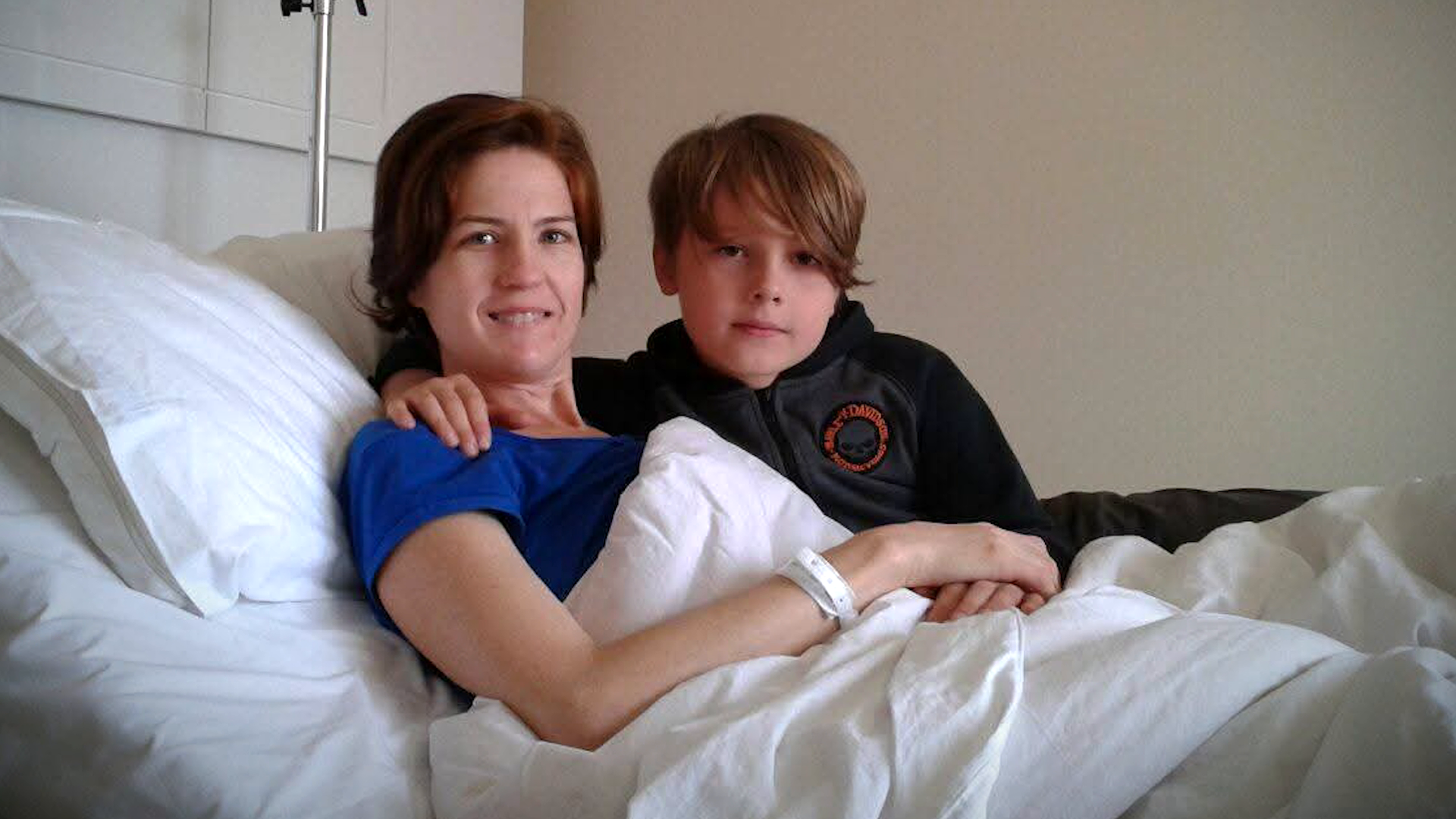
The state's reach didn't stop at Gao's detention. His wife and seven-year-old son, who holds American citizenship, remain trapped under strict exit bans. They cannot leave the country, and communication with Gao has been severely restricted.
This creates a chilling template for dissidents living abroad. Returning to visit aging relatives or handle family matters now carries an invisible hazard rating. If your past catalog contains work deemed offensive by current political standards, geography offers zero guaranteed protection once you cross the border.
Look closely at how creative expression is monitored globally. If you hold dual ties or past exposure in restrictive jurisdictions, keep a clear assessment of your historical footprint before making travel plans. Artistic freedom shouldn't carry an expiration date, but cases like this prove that states can rewrite the rules of yesterday to punish the creators of today.