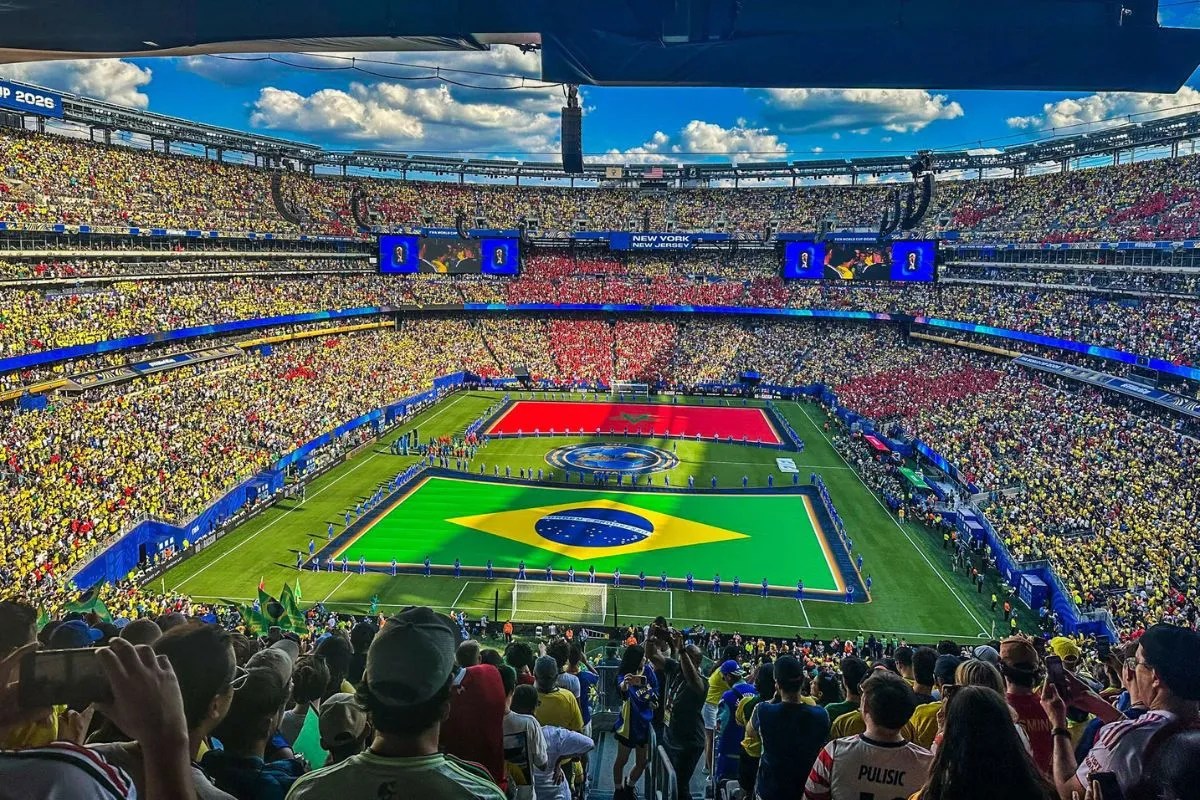
The air inside the stadium doesn’t just carry the scent of stale beer and cut grass. It carries weight. When you stand on the touchline of a World Cup match, the pressure is a physical entity, a low-frequency hum that vibrates in the marrow of your bones. For a nation like Ecuador, that pressure is a demand for execution, an expectation built on decades of footballing pedigree.
For Curaçao, a Caribbean island with a population smaller than a packed European football stadium, that pressure is different. It is the weight of the impossible.
Football is a game of numbers until the whistle blows. On paper, the matchup was an execution waiting to happen. Ecuador arrived with their seasoned tactical shape, their explosive wingers, and the ruthless efficiency of a team that views the group stage merely as a formal prologue to the knockout rounds. Curaçao arrived with a dream, a roster of players who spend their club careers in the unglamorous trenches of lower-league European football, and a goalkeeper named Eloy Room.
What followed wasn’t just a sporting event. It was an exercise in human endurance.
The Geography of Hope
To understand what happened on that pitch, you have to understand where these players come from. Curaçao is an island of vivid colors, Dutch colonial architecture, and a burning passion for sport that has historically manifested on the baseball diamond rather than the football pitch. The national football team has long been an afterthought on the global stage, a collection of diaspora players trying to stitch together an identity between short international breaks.
Ecuador, by contrast, breathes this game. Their players are forged in the high-altitude pressure cooker of Quito and the hyper-competitive leagues of South America.
When the match kicked off, the disparity was immediately obvious. Ecuador moved with a terrifying, rhythmic synchronization. They didn't just pass the ball; they weaponized it, using the width of the pitch to stretch the Curaçaoan defense until the seams began to fray. Within the first fifteen minutes, the tactical blueprint was clear. Ecuador would suffocate, and Curaçao would try to survive.
Imagine standing on a shoreline while a storm surge rolls in. You know the water is coming. You can calculate the velocity of the waves. But knowing it doesn't make the impact any softer.
The Man in the Yellow Shirt
Every great footballing heist requires a central protagonist. On this afternoon, it was Room.
Goalkeeping is a lonely psychological experiment. When a striker misses a shot, they get a clap of encouragement from the midfielder. When a goalkeeper makes a mistake, the scoreboard changes, the stadium erupts in mockery, and the cameras zoom in on your despair. It requires a specific brand of madness to volunteer for that role, especially when facing an avalanche.
The onslaught began in earnest around the twenty-minute mark. Ecuador’s central midfielders began unlocking the channels, sending low, fizzing crosses into the box.
Chaos.
A deflection off a defender's shin sent the ball spiraling toward the top corner. Room, shifting his weight with the frantic precision of a cat on a hot tin roof, launched himself backward. A fingertip tipped it over. Five minutes later, a one-on-one situation developed after a misplaced square pass. The Ecuadorian forward did everything right, opening his hips to disguise the shot, aiming for the far post. Room didn't blink. He stayed big, smothering the ball with his ribs, absorbing the blow, and holding onto it as if it were the most precious object on earth.
Silence settled over the Ecuadorian supporters. The realization was dawning that logic had left the building.
The Scent of Desperation
As the clock ticked past the hour mark, the tactical narrative shifted. The game ceased to be about formations or transitional play. It became entirely about psychological warfare.
Ecuador grew frantic. Their passing, once crisp and deliberate, became hurried. They began shooting from distance, hoping a wicked bounce or a wicked deflection might break the spell. Every missed opportunity fed the belief growing inside the white-shirted Curaçaoan defenders. They were throwing their bodies into harm's way, blocking shots with their faces, their thighs, their chests.
It was ugly. It was beautiful.
The physical toll of defending for seventy minutes straight is immense. Lactic acid pools in the calves. The brain, starved of oxygen from constant sprinting, begins to make micro-errors. A half-step late here, a lazy clearance there. Yet, every time the defensive line breached, the man in the yellow shirt was there to clean up the wreckage. Room wasn't just making saves; he was commanding his penalty box like a feudal lord defending a castle wall. He was screaming instructions, grabbing his center-backs by the jersey to pull them into position, buying seconds by lingering over goal kicks.
This is the hidden texture of international football. It is the small, cynical actions that never make the highlight reel but decide the fate of nations.
The Weight of a Single Point
When the fourth official held up the board indicating five minutes of added time, a collective groan echoed from the South American contingent. For Curaçao, those five minutes resembled an eternity.
Ecuador threw everyone forward, including their center-backs. The penalty box looked like a crowded subway car at rush hour. A corner kick was swung in, deep and menacing. The ball bounced loose. A scramble ensued. Three different players hacked at the ball. It felt as though the entire tournament was balancing on the edge of a knife. Finally, a Curaçaoan boot cleared the ball into the empty stands.
Then, the whistle blew.
The contrast in reactions was stark. The Ecuadorian players sank to their knees, heads buried in their hands, staring at the turf in disbelief. They had registered over twenty shots on goal. They had dominated possession. They had done everything right except the one thing that mattered.
The Curaçaoan players didn't celebrate with wild cartwheels. They simply fell into each other's arms, exhausted, drained of every drop of adrenaline. They had earned their first-ever World Cup point. In the grand ledger of the tournament, a scoreless draw might look like a footnote. For the island of Curaçao, it was a monument.
They had proven that on any given day, if you possess enough courage, a clear plan, and a goalkeeper who refuses to submit to reality, the numbers on the paper don't mean a thing.
The stadium lights flickered against the darkening sky as the fans began to filter out into the streets. The hum was gone, replaced by the quiet murmurs of people who had just witnessed a small piece of history. In the locker room, away from the flashbulbs and the microphones, Eloy Room finally unstrapped his gloves, his hands trembling slightly from the exertion. The sheet remained clean. The point was secure. The giants had been held at bay, at least for now.