The RSVP card is a tiny, fragile piece of cardboard. It demands a binary choice. Will you attend, or will you not? For most families, filling it out is a mundane ritual, an exchange of polite logistics over a kitchen counter. But when the family name is written in gold letters across skyscrapers, even a wedding invitation becomes a chess piece.
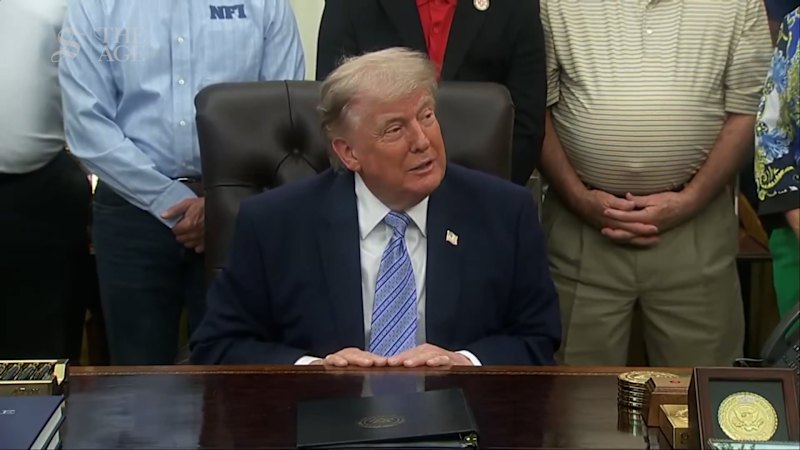
When Donald Trump publicly hesitated over attending his son Tiffany’s wedding—muttering that it was "not good timing for me" amid a swirling vortex of legal battles and political rallies—the world saw a typical headline about political scheduling. They saw a calendar conflict. They missed the human architecture of the empty chair.
We have all sat at tables where an absence felt heavier than anyone actually present. It is the specific, echoing quiet of a parent choosing an obligation over a milestone. To understand what happens when the private world of a family collides with the relentless machinery of public life, you have to look past the campaign podiums. You have to look at the geometry of the head table.
The Weight of the Calendar
A calendar is not a neutral record of time. It is a declaration of values. Every hour blocked out for a deposition, a press conference, or a rally is an hour stolen from somewhere else. The public assumes that power buys freedom. The reality is much sharper. Power builds a cage out of commitments.
Consider the mechanics of high-stakes public life. The man at the center of the storm is constantly weighed down by an avalanche of demands. There are lawyers demanding preparation. There are strategists counting electoral votes. There are crowds waiting in arenas, hungry for performance. In that ecosystem, a family wedding is not a sanctuary. It is a logistical variable. It is a luxury that requires justification.
The phrasing itself is telling. "Not good timing." It treats a son’s marriage as a business proposal, an investment of hours that might yield a poor return on a chaotic day. This is the currency of the ultra-ambitious. They view time through a lens of strict utility. What does this hour buy me? What does it cost me to turn away from the battlefield, even for an afternoon?
But the battlefield has a way of following you into the ballroom.
The Performance of Presence
When a high-profile figure steps into a family event, they do not leave their baggage at the door. They bring the cameras with them, even if no press is allowed in the room. Their presence alters the gravity of the space. Every whisper is analyzed. Every glance is cataloged by guests trying to read the political tea leaves.
Sometimes, the hesitation to attend is not about indifference. It is about the cost of the spectacle. Imagine the calculation. If he goes, the wedding becomes a political event, a sideshow dominated by security details and whispered speculation about indictments or poll numbers. If he stays away, the absence becomes a statement, a glaring headline about a fractured family. It is a trap with no elegant exit.
The human element gets crushed in this machinery. We watch these figures on screens, flattened into two dimensions, forgetting that they eat dinner, argue with their children, and face the exact same existential dread of aging and distance that we do. The anxiety of a family milestone does not disappear just because you have a Secret Service detail. If anything, it hardens.
The Cost of the Arena
Choosing the arena over the hearth is an old story. It is the foundational myth of every empire builder, every political dynasty, and every corporate titan who ever missed a recital or a graduation. They tell themselves they are building a legacy. They forget that a legacy requires people to inherit it, people who remember you being there.
The tragedy of the modern political landscape is that it demands total immolation. It does not allow for a weekend off. It does not tolerate a day where the phones are turned off and the focus shifts entirely to a bride and groom walking down an aisle. The news cycle is a beast that must be fed every hour, and it eats personal lives first.
When the music starts and the guests take their seats, the empty chairs tell the real story. They represent the moments where the public devoured the private, where the headline won and the human lost. It is a quiet, devastating trade.
The crowd in the arena will eventually go home. The flashbulbs will stop. The news cycle will move on to a new villain or a new hero. But the wedding album remains on the shelf, a permanent record of who stood in the frame, and who thought the timing just wasn’t right.