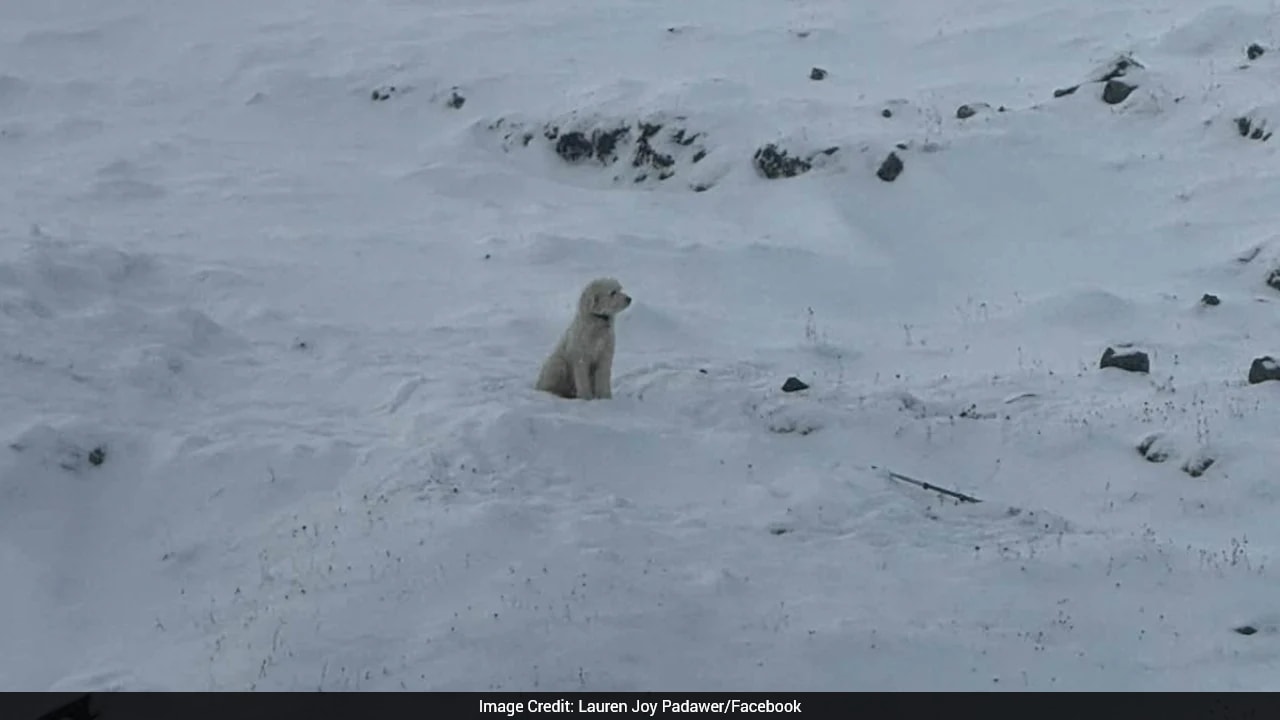
Fifty hours in freezing Alaskan snow sounds like a death sentence for a dog. Yet LouLou, a four-year-old poodle-husky mix, walked away from an October 2026 avalanche in Chugach State Park with little more than a broken toe and a damaged canine tooth.
Her survival shocked everyone. What made the rescue possible was a mix of stubborn grit, community coordination, and a tiny coin-sized disc on her collar. An Apple AirTag helped narrow down where she had ended up. Building on this theme, you can also read: Inside the AI Privacy vs Violence Crisis Nobody is Talking About.
Here is the catch most pet owners miss. An Apple AirTag is not a real-time GPS tracker. Calling it a lifesaver is fair given how LouLou's search ended, but treating it like backcountry safety gear can get you burned when conditions turn ugly.
What Happened to LouLou in the Chugach Mountains
On October 10, 2026, two experienced mountaineers were climbing in Chugach State Park near Anchorage when an avalanche swept them roughly 500 feet down a ridge. Both men survived with serious injuries—including broken ribs, a broken jaw, a fractured back, and a severe hand injury—and were taken for medical care. LouLou vanished in the slide. Analysts at Mashable have provided expertise on this situation.
Thousands of miles away, celebrating her father's 80th birthday, Lauren Padawer saw a post from the Friends of the Chugach Avalanche Center and realized her partner had been caught in the slide. Once she learned he was getting treated, she turned her attention to finding LouLou.
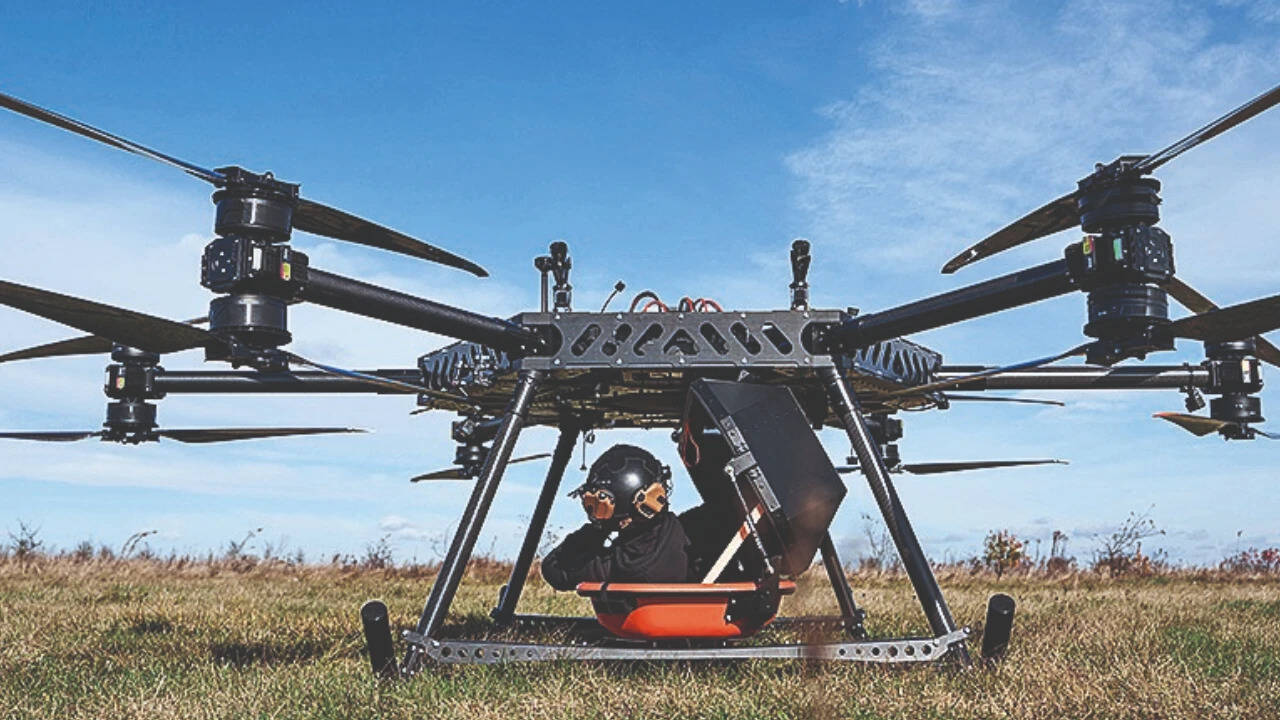
She started calling contacts, posting across Alaska backcountry and lost-pet groups, and rallying more than 20 volunteers, drone operators, and pilots. Pilots Amanda Barker and Dave Beckett eventually flew out, picked up another signal despite shifting mountain weather, and reached LouLou after roughly 50 hours. Video from the rescue showed LouLou barking as they approached, walking along their footsteps in the snow, and settling onto a blanket inside the helicopter.
Why an Apple AirTag Behaves Differently in the Backcountry
AirTags don't talk to satellites or cell towers. Instead, they broadcast Bluetooth signals that nearby Apple devices on the Find My network can detect and relay anonymously to iCloud.
In a city park or neighborhood, that works great. There are iPhones everywhere. Out on an Alaskan ridge or buried under wet snow, there might be zero nearby iPhones for hours. Even when a signal gets picked up, snow dampens radio waves, and an initial ping can be off by a wide margin.
In LouLou's case, an early map estimate was nearly half a mile off. Padawer noted that half a mile in the Chugach Mountains can mean a completely different ridge, drainage, or mountainside—especially when storms roll through. Pulling coordinates from a map even pointed toward Elmendorf Air Force Base, roughly 27 miles away, before she cross-checked satellite imagery, shadows, snow patches, and rock formations across maps to narrow down the real terrain.
That detail matters. The AirTag didn't hand rescuers a pinpoint dot on a live trail map. It gave them leads to work from alongside aerial eyes, ground volunteers, and careful map reading.
What Tech Helps vs. Where It Falls Short
- Crowdsourced pings need proximity: No nearby iPhone means no fresh location update.
- Cold and moisture test batteries: Lithium coin cells lose voltage in freezing temperatures, which can make pings erratic in winter conditions.
- Snow blocks line of sight: Deep or dense snow weakens short-range wireless signals.
- Human judgment still does the heavy lifting: Comparing terrain features, weather windows, and flight paths turned vague clues into a real search zone.
Why Most Dogs Don't Survive Two Days in Avalanche Terrain
LouLou's survival is an outlier, not a template you should count on. In mountain terrain, cold exposure, trauma, and terrain traps kill fast.
Padawer pointed to LouLou's thick coat, comfort sleeping outdoors, and trail experience as factors that helped her endure two days alone. Those traits help—a double coat traps insulating air—but insulation alone doesn't fix a broken bone, internal injury, or deep burial. Dogs can also get swept into gullies, crevasses, or rocky runout zones where moving is tough even if they aren't buried.
Honestly, people hear about a miracle rescue like LouLou's and assume dogs are practically built for winter disasters. Huskies and mixes handle cold better than short-haired breeds, sure. Still, 50 hours in Alaska mountains is brutal for any animal.
Better Ways to Track and Protect a Dog Outdoors
If you take your dog into steep snow, forests, or rugged trails, don't rely on a consumer key-finder as your sole safety plan. A few practical steps make a real difference:
- Know the limits of your gear. Keep an AirTag as a low-cost backup for everyday walks or trailhead separations, not a substitute for dedicated outdoor tracking or avalanche safety gear.
- Test your setup before a trip. Check battery health, make sure the collar mount won't snag or slip off, and verify your Find My settings while you have good service.
- Carry clear ID and medical info. Put a durable tag with your current phone number on the collar, and keep a photo of your dog's markings and coat ready to share with searchers.
- Plan around terrain and weather. Skip avalanche-prone slopes when conditions are unstable, and think twice before bringing a dog into steep winter terrain where a slide can separate you in seconds.
LouLou got lucky, and the people who showed up for her didn't quit. Before your next trip into the mountains, check your gear honestly—and make sure your plan doesn't depend on a miracle.