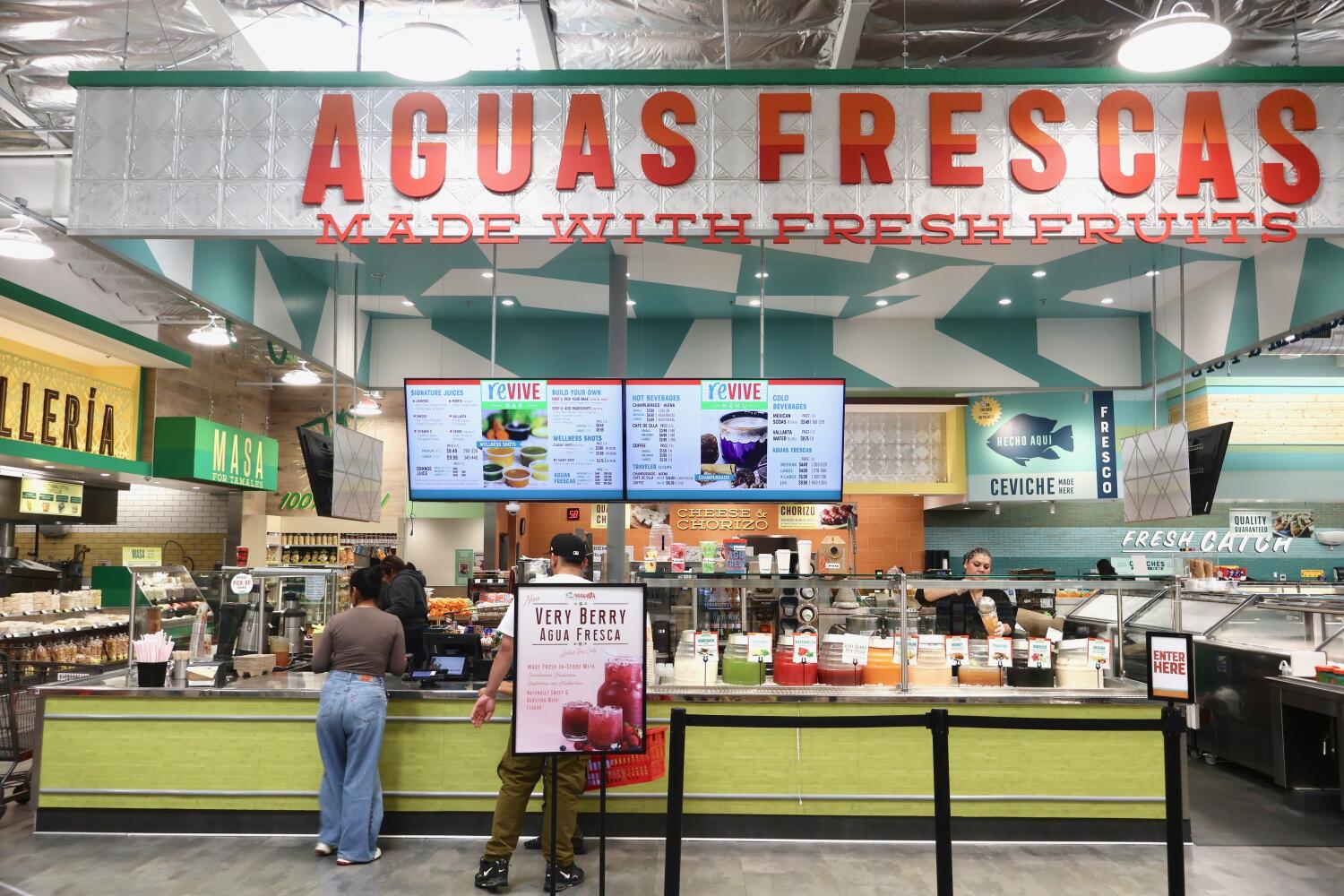
Every retail trade publication is popping champagne over the latest Vallarta Supermarkets ribbon-cutting. They breathlessly report on fresh ceviche bars, massive tortillerias, and community-centric footprints designed to capture surging demographic demand. It is the same tired playbook. Executives high-five over square footage and SKU counts while missing the structural hemorrhage hiding right beneath the shiny tile floors.
Strip away the marketing gloss of a grand opening and you expose a desperate scramble for margin in a dying format. The grocery establishment wants you to believe that sticking another sprawling, brick-and-mortar footprint into a saturated Southern California corridor is a masterclass in market penetration. I call it an expensive anchor tied to a sinking ship.
I have watched traditional grocery chains drop nine-figure sums on flagship builds, only to watch labor inflation, inventory shrink, and crushing overhead chew through their operating margins before the second year audit even clears. Vallarta knows the traditional playbook is collapsing under its own weight, yet they keep building monuments to it because stopping means admitting the old model is obsolete.
The Flawed Physics of Modern Grocery Expansion
Look closer at the local headlines cheering this new store. The narrative always hinges on community engagement and cultural authenticity. Authenticity does not pay the lease, cover surging minimum wage mandates, or insulate a business from commercial real estate yields that demand blood from a stone.
When a regional chain opens a massive specialty supermarket today, the capital expenditure profile defies economic logic. You are locking yourself into long-term lease liabilities at the exact moment consumer loyalty is at an all-time low. Shoppers do not care about your grand opening mariachi band when digital-first delivery platforms and nimble, high-density neighborhood grocers allow them to bypass the parking lot circus entirely.
The lazy consensus in retail claims that physical scale equals pricing power. That equation stopped working the day supply chain visibility became digitized and consumers stopped viewing grocery shopping as a weekend social event. Scale used to mean buying leverage. Now, scale means immense structural weight that cannot pivot when consumer spending habits shift overnight.
Why Cultural Specialization Is Not a Defensible Moat
Vallarta built its empire on serving the Latino community with specialized butcher counters, fresh bakery goods, and imported goods that mainstream supermarkets ignored for decades. It was a brilliant wedge strategy. But building a bigger box around that wedge in 2026 is a tactical error.
Cultural specialization stops being a moat the moment every major competitor figures out how to source the exact same brands of crema, chiles, and masa. Target and Walmart spent the last five years aggressively localizing their dry and refrigerated goods assortments to capture the exact same demographic. When the big-box behemoths can undercut you on paper towels and detergent while matching your specialty cheese selection, your neighborhood flagship loses its unique value proposition.
Relying on ethnic nostalgia to drive foot traffic into a forty-thousand-square-foot box is a dangerous game. The next generation of shoppers values speed, friction-free checkout, and hyper-convenience far more than a decorative tortilla press hanging over aisle four.
The Margin Trap Nobody Wants to Talk About
Let us talk about the economics of the fresh-service counter. The crown jewels of a Vallarta grand opening are always the hot food stations, the fresh seafood departments, and the custom taquerias. Trade rags praise these areas as traffic drivers.
They are also bottomless pits for labor and waste.
Operating high-labor food preparation counters inside a retail footprint while hourly wages climb creates an operational nightmare. You need skilled labor to man those stations, and skilled labor is scarce and expensive. Combine that with volatile commodity pricing for proteins and produce, and you have an operation where your highest-traffic departments generate some of the lowest net margins in the entire store.
Imagine a scenario where a store generates fifty million dollars in top-line revenue, but forty percent of that volume flows through departments plagued by high spoilage rates, strict temperature compliance costs, and massive staffing requirements. You are working twice as hard to clear a fraction of the profit margin that a streamlined discount retailer makes selling non-perishable staples off wooden pallets.
The Digital Elephant in the Parking Lot
The most glaring omission in every puff piece about new supermarket openings is the utter disconnect between physical expansion and the accelerating shift toward dark stores and micro-fulfillment.
While executives cut ribbons and pose with local politicians, consumers are sitting in their living rooms tapping screens to have groceries dropped on their porches within the hour. A massive physical footprint with wide aisles and grand entryways is built for a retail era that expired years ago. Every square foot dedicated to visual merchandising and customer wandering is wasted space when the most profitable transactions are happening via automated pick-list fulfillment in the backroom.
Building bigger stores to solve a digital-first problem is like buying a faster horse to compete with the internal combustion engine. You are optimizing the wrong variable.
What Actually Works Now
If you want to survive the next decade of grocery retail, you do not build monoliths. You slash square footage, shrink inventory depth down to high-velocity SKUs, automate your inventory management, and turn your physical locations into hyper-efficient pick-and-pack hubs that double as showrooms.
Vallarta’s latest grand opening looks impressive on an investor deck, but it is a backward-looking strategy masquerading as growth. The companies dominating the next retail cycle will not be the ones with the biggest bakery departments. They will be the ones agile enough to vanish from high-cost brick-and-mortar leases before the market forces them out.
Stop celebrating the ribbon-cuttings. Start watching the exit strategies.


