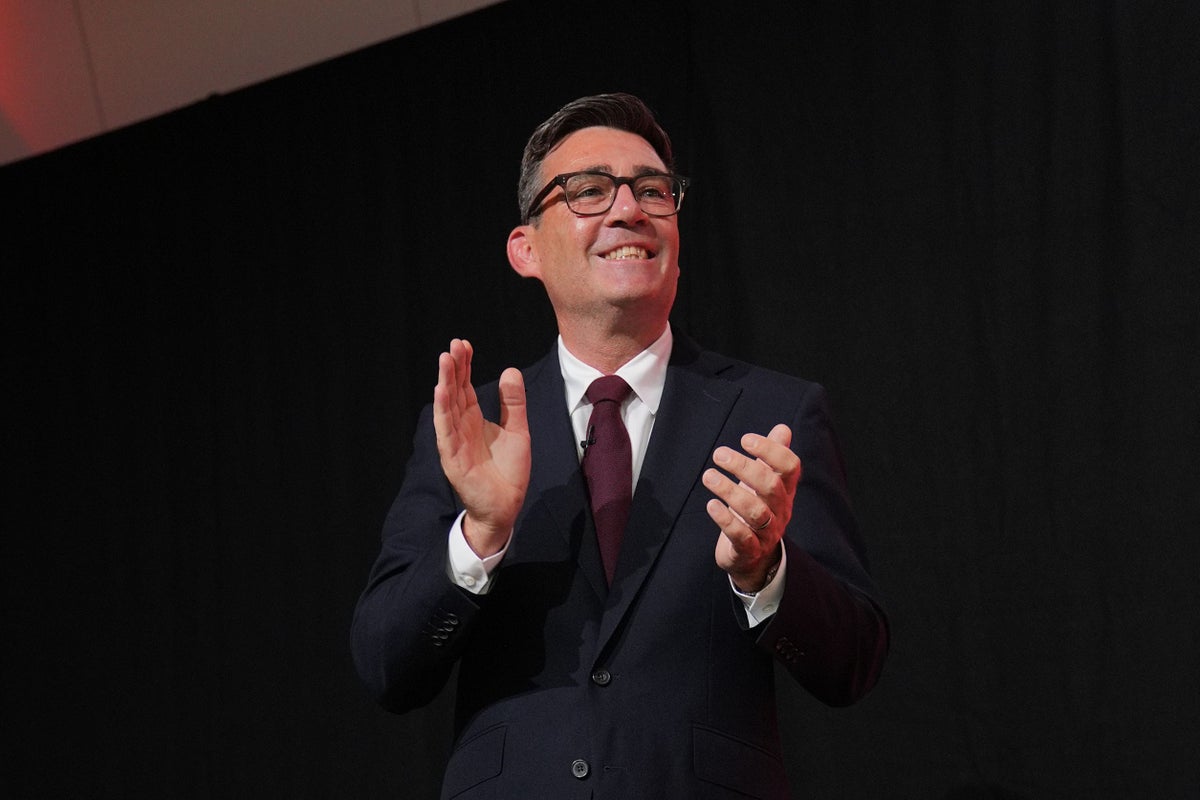
Andy Burnham has barely unpacked his bags at 10 Downing Street, and the domestic inbox is already screaming for attention. You can see why a former Mayor of Greater Manchester, who built his brand on domestic devolution and looking out for left-behind British towns, would want to focus entirely inward. But a quiet disaster is unfolding in Whitehall that he cannot ignore. The Foreign, Commonwealth & Development Office (FCDO) is in a state of administrative and strategic paralysis, triggered by a brutal round of foreign aid cuts that has left Britain’s international reputation in tatters.
If Burnham thinks he can leave foreign policy on autopilot while he fixes Britain's rail networks and regional economies, he's mistaken. The numbers dropped just as he was preparing to take office, and they are grim. We are talking about a 43% slash to bilateral aid over the next three years. In places like Malawi and Mozambique, British funding is set to plummet by a staggering 90% by 2029. Even war-torn states like Afghanistan and Myanmar face cuts of 39% and 30% respectively.
Inheriting a policy that treats international development as a piggy bank for domestic defence spending leaves Burnham with a massive credibility gap. He needs an immediate, clear strategy for the Foreign Office, because the current path is unsustainable.
The Institutional Rot Inside King Charles Street
The issue isn’t just the missing cash. It’s the fact that the department tasked with spending it is fundamentally broken. Ever since the chaotic 2020 merger of the Department for International Development (DFID) and the Foreign Office, the combined ministry has struggled to find its footing. Morale didn't just drop; it cratered.
Right now, a major internal restructuring plan called "FCDO 2030" is hovering over the department like a dark cloud. It was designed under the shadow of recent political exits and is currently being managed by an interim leadership team. The result? Junior diplomats and development experts are spending their days applying for their own jobs or looking for exits rather than managing Britain’s global alliances.
When you slash bilateral aid budgets by 90%, you don’t just stop funding clinics or clean water projects; you pull the rug out from under local teams who spent decades building trust. You effectively tell partner governments that the UK is no longer a reliable partner. Burnham’s team needs to step in right now to give this hollowed-out department a clear sense of what it is actually supposed to do with its remaining resources.
The Fallacy of Subcontracting Global Influence
The previous administration tried to soften the blow of these cuts by claiming the UK would simply shift its money to multilateral bodies like the World Bank. The logic sounds neat on paper: let the big international institutions handle the heavy lifting while we save money.
Honestly, it’s a total cop-out. When you route your cash through massive multilateral funds, you lose the direct political leverage that comes with bilateral partnerships. You don’t get to sit at the table with regional leaders to shape policy if you're just writing checks to a nameless fund in Washington.
Worse, it directly contradicts the rhetoric around the UK remaining a major international leader. Backbench Labour MPs are already putting pressure on Burnham to chart a long-term, ten-year path back to the historic 0.7% Gross National Income (GNI) aid target. They recognize what the frontbench ignored: pulling out of the Global South leaves a vacuum that hostile states are all too happy to fill. You can’t build national resilience at home while letting global stability collapse abroad.
How Burnham Can Steady the Ship
Burnham needs to act fast before the upcoming G20 summit, where the UK is supposed to take the chair. Walking into that room representing a nation that just ran a wrecking ball through its own development budget is a recipe for irrelevance.
First, he has to appoint a Foreign Secretary who actually understands that development is a core pillar of national security, not a charitable afterthought. Rumours have circulated about big names like Ed Miliband or David Miliband stepping into foreign policy roles, but whoever gets the nod needs to stop the bleeding inside King Charles Street immediately.
Second, the new Prime Minister needs to halt the directionless FCDO 2030 restructure. Staff need clear priorities. If the budget is locked at 0.3% of GNI for now due to domestic fiscal constraints, the Foreign Office needs to explicitly state what it will stop doing. Trying to do everything with half the cash just stretches diplomats too thin and guarantees failure across the board.
Finally, Burnham must offer a realistic, legally binding trajectory back to stable funding levels. It doesn't have to happen overnight—the fiscal reality makes that impossible. But giving international NGOs, local organizations, and foreign governments a predictable, long-term funding roadmap is the only way to rebuild Britain's shredded credibility.
The "King of the North" won his reputation by defending communities that felt abandoned by Westminster. He cannot start his premiership by allowing his own government to abandon vulnerable communities globally.