The Arizona Republican primary for governor wasn't even close.
Congressman Andy Biggs rolled through his primary opponents on July 21, scoring over 70% of the vote. He easily put down a primary challenge from fellow Representative David Schweikert, who took just under 16%.
Now the stage is set for a massive November matchup. Biggs will take on incumbent Democratic Governor Katie Hobbs in what's shaping up to be one of the most watched governor races in the entire country.
If you're trying to figure out where national politics is headed in late 2026, you've got to look at Arizona. It's the ultimate swing state.
The Primary Results Breakdown
Let's look at the numbers from Tuesday's GOP primary. They tell a very clear story about who controls the Arizona Republican base today.
Biggs crushed the field from the moment early returns started rolling in. Schweikert, an eight-term congressman who gave up a competitive House seat specifically to run for governor, barely broke 15 percentage points. Lesser-known candidates Scott Neely and Ken Miceli picked up single-digit scraps.
Andy Biggs:      71.5%
David Schweikert: 15.6%
Scott Neely:       7.5%
Ken Miceli:        5.4%
Schweikert ran on a pragmatic platform. He argued that he was the only candidate who could consistently win over independent voters and moderate suburbanites in places like Maricopa County. He essentially told primary voters that nominating a hard-right firebrand like Biggs was a recipe for another general election loss.
Republican primary voters didn't care. They chose the candidate fully aligned with the national MAGA movement.
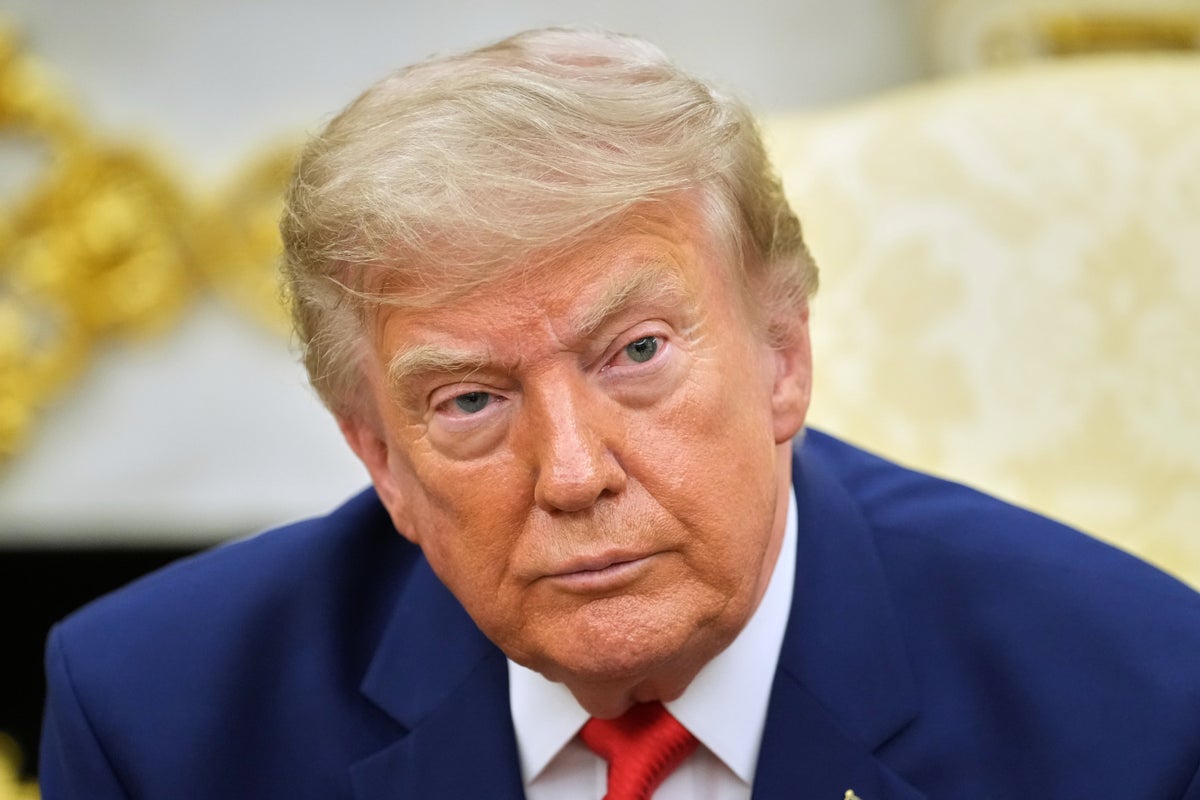
Donald Trump and Turning Point Action Score Big
You can't talk about Andy Biggs without talking about Donald Trump and grassroots conservatives.
Biggs, a former chairman of the House Freedom Caucus and a longtime ally of the president, had Trump's key endorsement going into the vote. He also received heavily organized support on the ground from Turning Point Action.
That grassroots machine mobilized young, conservative activists across Phoenix's suburban ring, completely drowning out Schweikert's institutional backing.
For Trump, Biggs' victory serves as another proof point that his endorsement still holds immense sway in state-level Republican primaries. But as previous election cycles in Arizona have shown, winning a July primary with the base is a completely different challenge than winning a statewide election in November.
The November Showdown Against Katie Hobbs
Katie Hobbs won the governor's office in 2022 by the skin of her teeth. She beat Kari Lake by less than 20,000 votes, a margin of under one percentage point.
Since taking office, Hobbs has had to deal with a Republican-controlled state legislature, setting up a non-stop war of vetoes and political standoffs. Now she faces Biggs.
Democrats are already launching attacks on Biggs' record. They plan to zero in on his vote against certifying the 2020 election results and his conservative legislative stances on issues like healthcare and spending. Their strategy is straightforward: pitch Biggs as too extreme for suburban voters who flipped away from the GOP in recent cycles.
On the flip side, Biggs is leaning heavily into cost-of-living concerns, state spending, and border security. He's betting that inflation and national political headwinds will push frustrated independents back into the Republican column.
Key Factors That Will Decide the Race
Arizona is no longer the reliably red state it was fifteen years ago. It's a purple battlefield. A few key elements are going to dictate who takes the governor's mansion:
- Independent Voters: Independents make up roughly a third of registered voters in Arizona. Biggs needs to convince them he can govern, while Hobbs needs to convince them Biggs is too ideological.
- Maricopa County: Suburban Phoenix decides elections in Arizona. The candidate who carries the East Valley and Phoenix suburbs takes the state.
- Turnout Dynamics: Biggs' firebrand style excites the rural and deep-conservative base. Hobbs relies on high turnout in Tucson and Tempe, plus disaffected Republicans.
If you want to track how this race evolves between now and November, start by keeping an eye on early polling out of Maricopa County, monitoring how both campaigns handle state economic policy debates, and watching whether moderate Republicans cross party lines or fall into rank behind the nominee.