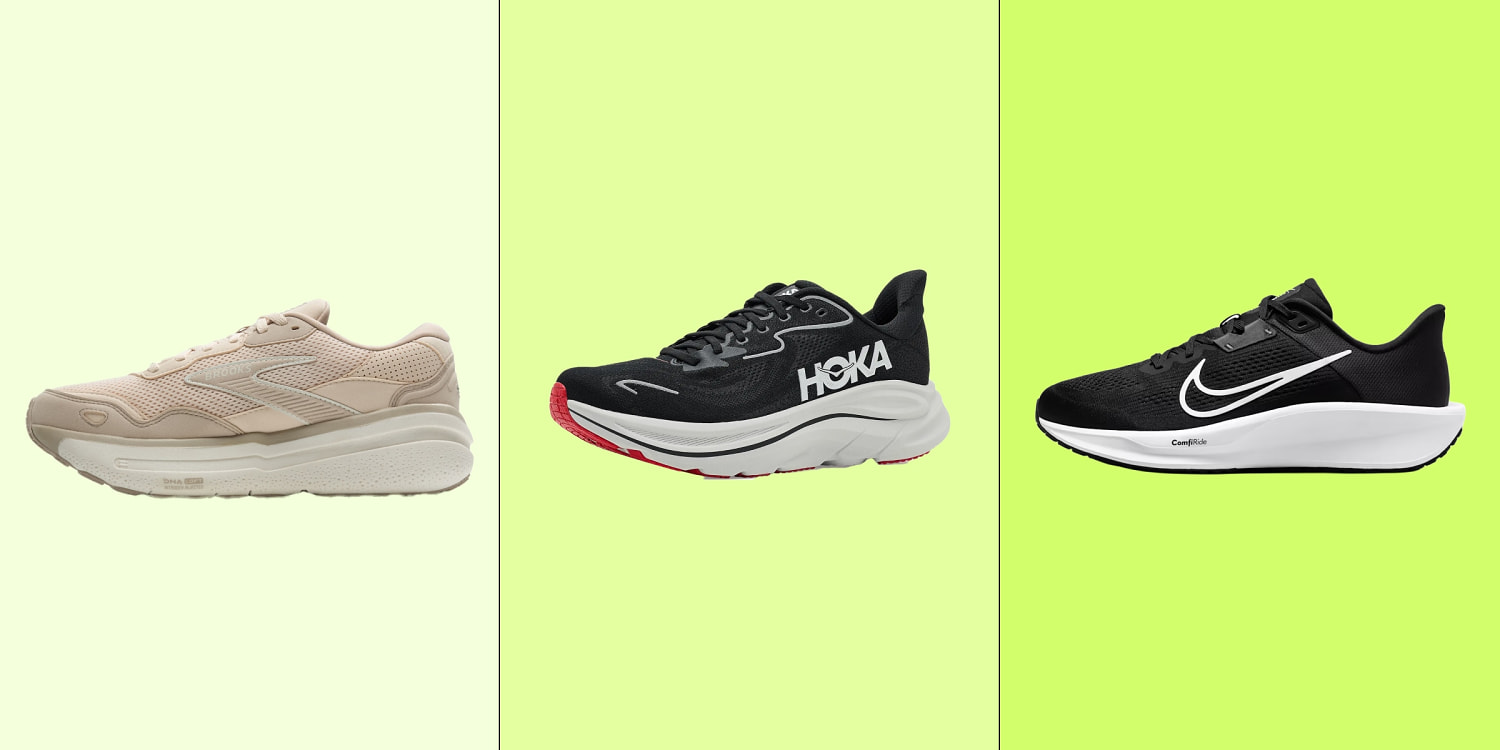
Labor Day sneaker sales are a masterclass in retail theater. Every late August, digital storefronts erupt with crimson clearance banners, urgent countdown timers, and promises of discounts slashing up to fifty percent off popular inventory. Major footwear brands and aggregators flood search feeds with variations of fifteen hidden deals on Brooks, Nike, and Hoka. Beneath the veneer of consumer savings lies a carefully orchestrated inventory management ritual. The historical end-of-summer markdown cycle is not a benevolent gift to the working public. It is a calculated corporate necessity designed to clear warehouse floor space for the critical fourth-quarter product pipeline.
Understanding how these holiday markdowns operate requires looking past the glossy marketing copy. Footwear supply chains run on strict quarterly cadences. When autumn inventory arrives at distribution hubs in early September, warehouse operators face a spatial crisis. Storing legacy summer models incurs ongoing operational costs. Retailers must liquidate previous-generation colorways and seasonal performance running shoes to make room for cold-weather editions and holiday gift items. The steep discounts advertised during Labor Day weekend reflect carrying costs rather than acts of seasonal charity.
The mechanics of these holiday events rely heavily on psychological pricing strategies and artificial scarcity. A typical promotional layout highlights a marquee brand like Brooks, positioning a legacy trainer at a deep forty percent reduction. Closer inspection often reveals that the discounted SKU is an outgoing model version just weeks away from formal supersession. Consumers secure a functional product, but the vendor achieves its primary objective: zeroing out negative-margin warehouse inventory without resorting to third-party liquidators who pay pennies on the dollar.
The Brand Playbook
Footwear corporations approach late-summer clearance with surgical precision. Mass-market retailers categorize inventory into tier-one performance lines and tier-two lifestyle crossovers. Performance models, particularly running staples from brands like Brooks or Saucony, face rapid generational shifts. Manufacturers release updated iterations of flagship trainers every twelve to eighteen months. The moment an update hits the market, the predecessor loses cachet among dedicated athletes. Labor Day weekend provides the ideal psychological window to offload these transitional assets to casual buyers who prioritize price over the latest iteration of foam cushioning technology.
Inventory velocity dictates discount depth. High-volume colorways in standard widths rarely hit the maximum advertised price cuts. Retailers protect their margins on neutral black and white colorways because consumer demand remains stable year-round. The aggressive fifty percent reductions apply almost exclusively to outlier inventory. Neon color blocking, wide-width variations, and niche specialty editions drive the deepest markdowns. Buyers hunting for bargains on specific styles must accept compromises on aesthetics to capture those headline-grabbing price drops.
Navigating the Retail Illusion
Smart shoppers approach end-of-summer footwear sales with a cynical eye. Comparing the advertised promotional price against the manufacturer's suggested retail price offers little insight into actual value. Market pricing fluctuates wildly throughout the year through minor flash sales and promotional codes. Evaluating a Labor Day deal requires checking historical pricing charts and recognizing that the baseline MSRP is often an inflated anchor designed to make the clearance price look revolutionary.
Evaluating real value demands looking at material degradation and shelf life. Athletic shoes feature midsole foams, predominantly ethylene-vinyl acetate or specialized polyurethane blends, that degrade over time even when sitting dormant in a climate-controlled box. A high-end running shoe manufactured three years ago and stored in a humid warehouse will perform significantly worse than a fresh pair off the production line, regardless of how deep the discount cuts. Buying older inventory saves money upfront, but it compromises the functional lifespan of the footwear.
The Industrial Shift
The retail landscape surrounding holiday weekends is undergoing structural contraction. Direct-to-consumer strategies have altered how brands handle surplus stock. Instead of relying entirely on third-party aggregators and department store clearance racks, major footwear companies now manage their own digital outlet arms. This shift allows brands to control the narrative around discounting. They protect brand equity by keeping markdowns behind the velvet rope of member-only digital portals rather than broadcasting steep liquidations on public billboards.
This evolution turns holiday sales into membership acquisition funnels. Retailers gladly sacrifice margin on a pair of running shoes if the transaction forces a consumer to create an account, download a proprietary shopping application, or opt into targeted email marketing. The long-term value of harvested consumer data dwarfs the immediate revenue generated by moving a box of discounted trainers.
Consumers navigating this seasonal circus should focus on utility rather than the magnitude of the percentage sign flashing on the screen. A fifty percent discount on an inferior product remains a waste of capital. Finding true value during the late-summer clearance rush requires ignoring the manufactured urgency of countdown clocks and evaluating whether a discounted item matches actual performance needs. The deals are real, but the motivations behind them are entirely transactional.