Ink is supposed to leave a stain. Sometimes, it merely evaporates.
Consider the quiet hum of a metropolitan bookstore on a Tuesday morning in June. Sunlight cuts through plate glass, slanting across polished oak tables stacked high with fresh volumes. At the center of the display sits a book wrapped in heavy expectation. Its cover bears the name of a writer who spent months trapped inside the unforgiving bureaucracy of an Algerian cell, an author whose freedom sparked diplomatic cables, television specials, and a seismic switch of publishing houses. The marketing machinery behind it did not whisper; it shouted. Yet, as the hours pass, the register remains largely silent. You might also find this connected coverage interesting: The Throat of the World is Closing.
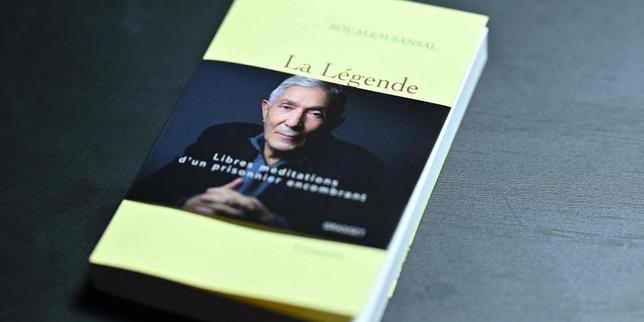
The numbers arrived with the quiet cruelty of a cold statistic. Despite a half-million-euro promotional push and an initial print run of one hundred and fifty thousand copies engineered to dominate the seasonal market, Boualem Sansal and his prison memoir, La Légende, collided with a strange and humbling reality. Roughly sixteen thousand copies moved during the opening week. In the arithmetic of modern publishing, these figures represent a profound disconnect between media saturation and actual reader desire.
How does a cultural storm turn into a commercial drizzle? As extensively documented in detailed articles by Associated Press, the results are significant.
To understand this phenomenon, one must look past the balance sheets and examine the fragile bond between a storyteller and an audience. For decades, readers sought out Sansal for his fierce, unflinching critiques of fanaticism and his dystopian allegories. He was valued as a moral voice standing outside the immediate fray. But when an author steps out of the fiction of human struggle and into the churning currents of partisan political theatre, the nature of the transaction changes entirely.
Imagine a reader named Marc, sitting in a Parisian cafe, flipping through the morning papers. For months, Marc has heard the name invoked on every radio station. He has watched pundits duel over diplomatic interventions, watched ancient loyalties dissolve as the writer left his long-time publisher Gallimard for Grasset, and listened to politicians weaponize a personal ordeal for electoral positioning ahead of upcoming domestic votes. By the time the book actually hits the shelves, Marc does not feel invited into a profound literary reflection. He feels marketed to. He feels as though he is being asked to buy a ticket to a political rally disguised as a memoir.
The strategy was built on a monumental miscalculation. The architects of this launch assumed that political outrage would translate directly into bookstore receipts. They forgot a fundamental truth about human reading habits. Reading is an intimate, solitary act. It requires a voluntary suspension of cynicism. When a book is thrust into the world with the force of a battering ram, laden with score-settling against former editors, diplomats, and old friends, the invitation loses its grace.
Sales figures from media measurement firms revealed that the modest momentum the book did achieve remained tightly localized within the affluent neighborhoods of large cities. It failed to cross over into the broader public consciousness. The working-class commuter, the suburban student, the casual reader looking for truth rather than a polemic—all remained indifferent. The megaphone had drowned out the melody.
There is a lesson hidden in the quiet corners of these unsold inventories. Noise can generate headlines, but it cannot manufacture resonance. A man survives a harrowing ordeal, returning from months of detention expecting a sanctuary of shared human solidarity, only to find his narrative swallowed by the gears of polarization. When the dust settles on the tables of unsold volumes, what remains is not a monument to courage, but a reminder of the limits of manufactured urgency.
The registers keep turning. The unsold copies sit in their neat stacks, waiting for a readership that decided, quietly and collectively, to look the other way.