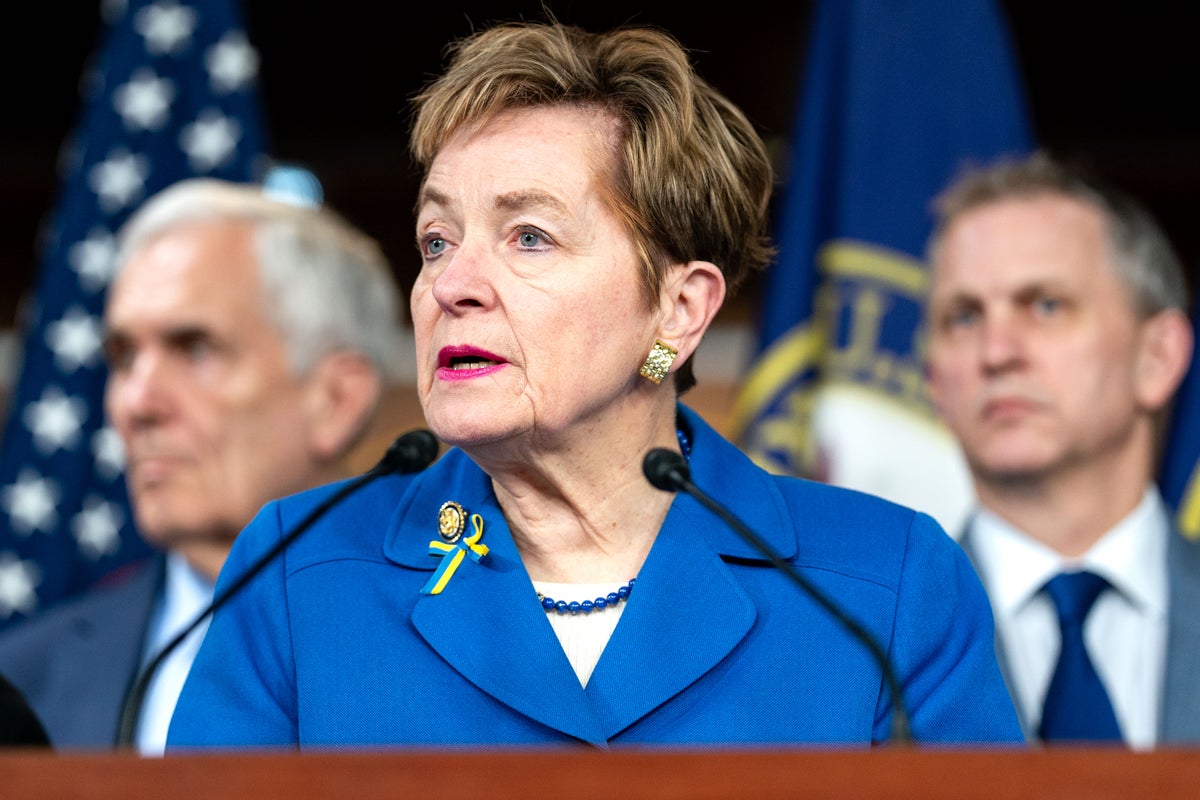
Representative Marcy Kaptur, the longest-serving woman in the history of the United States House of Representatives, sustained non-life-threatening injuries following a motor vehicle collision in Toledo, Ohio. The incident, classified by local law enforcement as a hit-and-run event, occurred while Kaptur was traveling as a passenger en route to a Sunday service. While public reporting centers on the immediate medical status of the 80-year-old legislator and the active police search for the fleeing driver, structural analysis requires examining this event through the lens of institutional continuity, transit risk exposure for senior public officials, and campaign operational friction during an active electoral cycle.
The Risk Vector of Public Transit for Senior Officials
Elected representatives operate under unique spatial-temporal constraints that alter their baseline exposure to transit hazards. Unlike corporate executives who often utilize controlled private aviation or hardened security details for ground transport, federal legislators frequently transition between Washington, D.C., and localized district environments where security protocols vary significantly.
In Kaptur’s case, the collision occurred on a local municipal thoroughfare—the intersection of Detroit Avenue and Central Avenue in Toledo. The mechanics of urban transit accidents involving high-profile political figures introduce distinct variables:
- Frequency of Transit Micro-Transitions: Legislators engage in high volumes of short-distance local travel within their districts, exponentially increasing exposure relative to long-haul transit.
- Asymmetry of Security Infrastructure: Ground transport in home districts typically relies on standard civilian vehicles and local transit patterns rather than armored municipal fleets.
- Variable Enforcement and Accountability: Hit-and-run dynamics in municipal zones highlight vulnerabilities in immediate perimeter control, relying heavily on retroactive police investigation rather than real-time threat neutralization.
The incident underscores the physical vulnerability inherent in retail politics. Operating within local infrastructure exposes lawmakers to stochastic risks generated by civilian driving behaviors, inadequate municipal traffic enforcement, and unmanaged intersection congestion.
Campaign Operational Friction and Electoral Timing
The timing of the collision introduces operational friction into Ohio's 9th Congressional District race. Kaptur faces a competitive general election challenge against Republican nominee Derek Merrin. In high-stakes electoral environments, physical incapacitation—even when classified as temporary and non-life-threatening—forces an immediate restructuring of campaign resource allocation.
The operational impact on a congressional campaign during a medical disruption can be measured across three axes:
- Schedule Compression: Public appearances, constituent town halls, and fundraising events must be temporarily suspended or transitioned to digital formats, reducing direct voter contact velocity.
- Narrative Control: The campaign apparatus must pivot from offensive messaging regarding policy and economic records to defensive reassurance concerning the candidate's health and operational readiness.
- Staff Decentralization: Field operations must absorb the administrative burden of managing communications and stakeholder relations without the physical presence of the principal.
When an incumbent with over four decades of institutional tenure experiences an unexpected disruption, the campaign's structural resilience is tested. The immediate bipartisan expression of well-wishes from congressional colleagues across the political spectrum serves to temporarily freeze adversarial campaign rhetoric, creating a temporary neutral zone in the local media market. However, the underlying strategic competition resumes the moment medical clearance is established.
Institutional Continuity and Legislative Impact
With Kaptur's status confirmed as active and alert, the immediate threat to legislative continuity is mitigated. However, the event forces an evaluation of how legislative bodies manage the sudden absence of senior members. In the House of Representatives, seniority dictates committee influence, institutional memory, and legislative steering capacity.
The operational dependencies tied to long-serving members create institutional pinch points. When a representative who has held a specific geographic mandate since 1983 faces an operational pause, constituents experience a temporary degradation in direct legislative servicing, particularly regarding federal agency casework and constituent advocacy.
To maintain operational integrity during such events, congressional offices rely on standardized delegation protocols. Senior staff assume administrative continuity while district offices absorb increased communication loads. The friction point lies not in legislative voting—which can be managed through established proxy or procedural adjustments depending on current House rules—but in the localized feedback loop between the representative and the electorate.
Prioritize hardening district-level transit protocols for senior congressional personnel by establishing mandatory risk assessments for routine local travel routes, integrating real-time telemetry and secure transport assets during high-density campaign periods, and implementing automated delegation frameworks to ensure zero disruption in constituent casework during unforeseen medical interruptions.
Rep. Jackie Walorski killed in Indiana car crash
This video provides contextual background on previous fatal motor vehicle accidents involving sitting U.S. members of Congress and highlights the historical precedent for safety and transit risk discussions in federal politics.