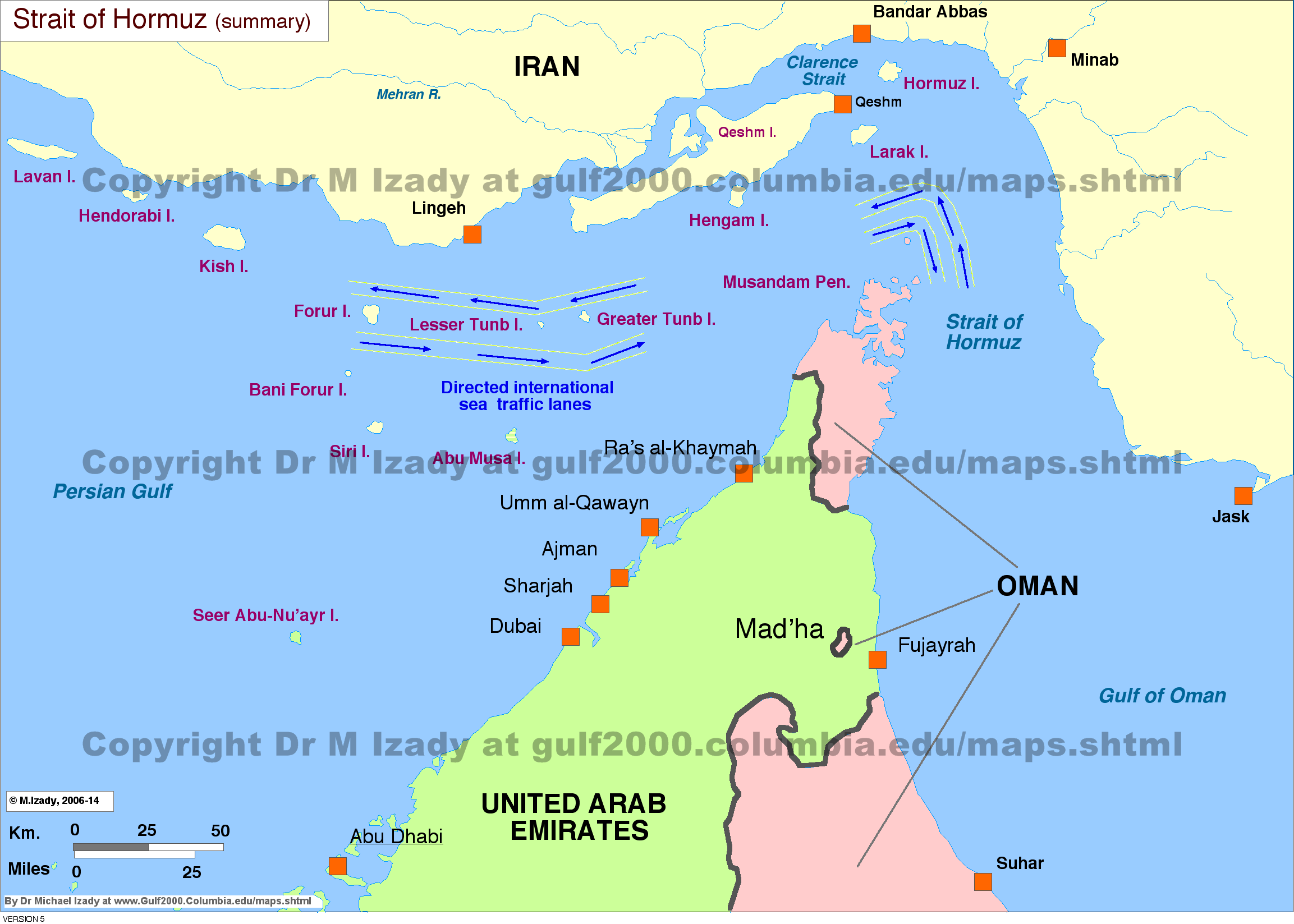
The stability of the global energy market is currently tethered to a 21-nautical-mile wide chokepoint where the physics of maritime transit meet the mechanics of asymmetric warfare. As of April 19, 2026, the Strait of Hormuz has transitioned from a theoretical risk to an active theater of denial. This is not merely a diplomatic friction point; it is a calculated application of "Cost Asymmetry," where low-cost Iranian disruptive assets—mines, drones, and fast-attack craft—impose high-magnitude economic and operational penalties on global shipping and naval forces.
The Triad of Maritime Denial
Iran’s strategy for controlling the Strait does not rely on matching the U.S. Fifth Fleet in tonnage or radar cross-section. Instead, it utilizes a three-pillar framework designed to saturate defenses and paralyze commercial intent.
- The Mosquito Fleet and Swarm Geometry: The Islamic Revolutionary Guard Corps Navy (IRGC Navy) operates hundreds of small, high-speed vessels, some capable of exceeding 100 knots. These platforms utilize "Multi-Axis Attack Geometry," approaching high-value targets from several vectors simultaneously to overwhelm Close-In Weapon Systems (CIWS).
- The Mine-Drone Mesh: Modern sea mines are no longer passive tethered spheres; they are sophisticated sensors capable of acoustic signature recognition. When paired with Loitering Munitions (drones), they create a "kinetic fence." On Saturday, April 18, the firing on two Indian-registered vessels demonstrated that even with a partial blockade, the threat of a single hit is enough to drive insurance premiums to a point of "economic closure."
- GNSS and Electronic Spoofing: Iranian forces have integrated Global Navigation Satellite System (GNSS) jamming and satellite spoofing. By broadcasting false coordinates, they force tankers into Iranian territorial waters or into the path of hazards, creating a "legal pretext" for seizure or "environmental protection" interventions.
The Cost Function of Global Energy
The Strait handles approximately 21 million barrels of oil per day (bpd), representing 21% of global petroleum liquid consumption. The economic impact of the current standoff is governed by price elasticity and the lack of redundant infrastructure.
- The Price Multiplier: Brent crude has surged past $125 per barrel. Historical data indicates that every $10 increase in oil prices reduces global GDP growth by approximately 0.2% annually. At current levels, the global economy is absorbing a $2 trillion projected loss.
- The Infrastructure Bottleneck: Only two major pipelines—the Saudi East-West Pipeline and the Abu Dhabi Crude Oil Pipeline—bypass the Strait. Their combined spare capacity is roughly 3.5 to 4 million bpd, leaving a net deficit of 17 million bpd that cannot be mitigated through existing land-based routes.
- The Force Majeure Domino: The 2026 crisis has triggered force majeure declarations by major exporters like QatarEnergy. Because the Strait is the sole exit for nearly all of Qatar’s Liquefied Natural Gas (LNG), the European energy grid faces a systemic supply shock that cannot be bridged by US-based LNG exports due to specialized tanker availability.
The U.S. Counter-Blockade Logic
The U.S. strategy has pivoted from "deterrence through presence" to "attrition through economic isolation." By enforcing a maritime blockade on Iranian ports, the U.S. is attempting to force a "Resource Exhaustion" scenario.
Operational Constraints
The U.S. Fifth Fleet, while technologically superior, faces the "Littoral Trap." Large surface combatants like Arleigh Burke-class destroyers are optimized for blue-water engagements. Inside the narrow Strait, their reaction times are compressed by the proximity of Iranian shore-based anti-ship missiles (ASCMs) hidden in fortified coastal silos. This proximity reduces the effectiveness of the Aegis Combat System's long-range tracking, shifting the burden of defense to short-range, point-defense systems.
The Buffer Zone Dilemma
U.S. forces are currently operating from the Gulf of Oman and the Arabian Sea to avoid the "Kill Zone" of the Strait's narrowest point. This creates a "Surveillance Gap" that Iran exploits by using "Shadow Fleet" tankers—vessels with disabled AIS transponders—to attempt to break the blockade during low-visibility windows or through high-density commercial traffic.
Strategic Divergence: Direct Negotiations vs. Kinetic Escalation
The Islamabad negotiations represent the first direct U.S.-Iran talks in decades, yet they are stalled by a fundamental misalignment of objectives.
- The Iranian Position: Tehran views the Strait as "Sovereign Infrastructure." They have introduced a "Transit Certificate" system, effectively demanding a toll for passage and de facto recognition of their maritime authority over the entire channel.
- The U.S. Position: Washington demands the total removal of 970 pounds of enriched uranium and the permanent decommissioning of IRGC maritime swarm capabilities.
This standoff is no longer a "gray zone" conflict. It is a binary contest of endurance. The U.S. expects Iran's 90% sea-trade-dependent economy to collapse first, while Iran bets that the $150+ oil price threshold will shatter the political will of the Western coalition and the stability of the global financial system.
Tactical victory in the Strait is irrelevant if the strategic result is a global depression. The current "stop-start" closure of the waterway is more damaging than a permanent closure because it prevents markets from pricing in a stable alternative, ensuring maximum volatility and "Risk Premium" extraction.
The strategic play is now centered on the Wednesday ceasefire deadline. If the blockade remains in place, expect the IRGC to move from "harassment" to "structural denial"—the intentional sinking of a large vessel in the 2-nautical-mile wide shipping lane to create a physical navigation hazard that would take months to clear under fire.