Federal prosecutors have indicted Christian Castro, a U.S. Immigration and Customs Enforcement officer, on charges of making false statements regarding the nonfatal shooting of Julio Cesar Sosa-Celis, a Venezuelan immigrant, during a massive enforcement sweep in Minneapolis. The indictment, handed up by a federal grand jury, exposes deep fractures within the Department of Justice over accountability during high-pressure federal crackdowns. It follows months of interstate friction, shifting narratives, and allegations that federal officials actively blocked more severe civil rights charges against one of their own.
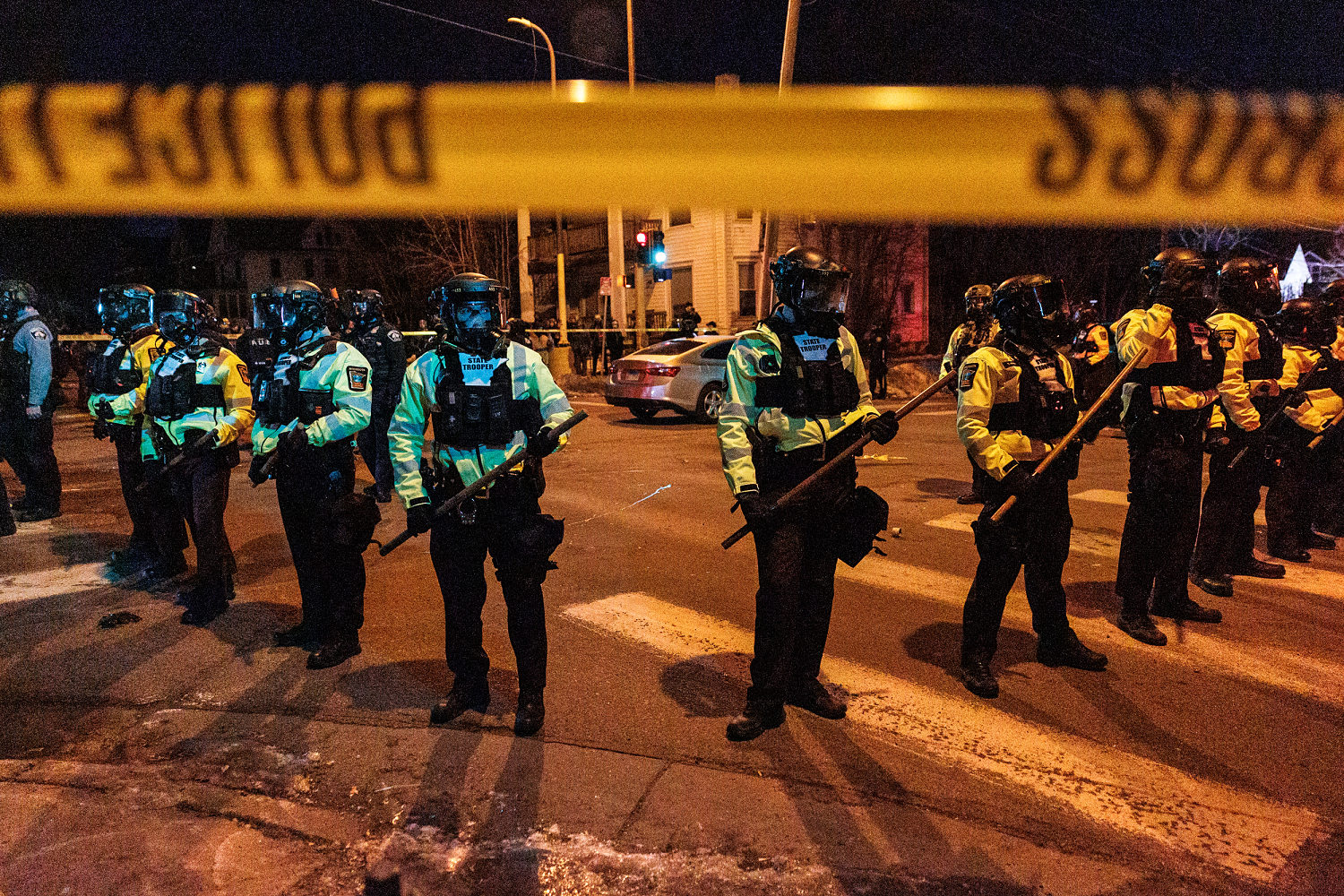
The incident occurred on January 14, during the height of Operation Metro Surge, an unprecedented mobilization of federal immigration agents in the Twin Cities. Castro and another agent pursued a Venezuelan man, Alfredo Alejandro Aljorna, following a traffic stop. Aljorna fled to an apartment duplex he shared with Sosa-Celis.
What happened next became the crux of a bitter jurisdictional war between local authorities and federal agencies.
The Breakdown of the Official Narrative
Initial statements released by the Department of Homeland Security painted a picture of survival against sudden violence. According to the early agency accounts, agents were ambushed. The narrative claimed that Sosa-Celis and another occupant attacked Castro with a snow shovel and a broom handle, leaving the officer fearing for his life and forcing him to discharge his firearm in self-defense.
Video evidence eventually dismantled that version of events.
Footage obtained and reviewed by investigators showed Sosa-Celis dropping a shovel and retreating inside the home before a shot was fired through the closed front door. Medical records and state court filings later revealed that Castro suffered no demonstrable trauma to his body aside from a minor abrasion on his hand, completely undermining claims of a brutal beating.
State prosecutors in Minnesota moved swiftly once the video surfaced, charging Castro with four counts of second-degree assault and one count of falsely reporting a crime. But bringing a federal employee to justice across state lines proved remarkably difficult.
The Interstate Standoff and Extradition Battles
After returning to Texas, where he was based, Castro became the center of a tense political standoff. Minnesota officials sought his extradition to face local felony charges, but Texas Governor Greg Abbott refused to immediately sign the warrant.
While Castro sat in a South Texas jail for ninety days, state investigators uncovered wiretapped phone conversations suggesting he anticipated release and planned to marry a romantic partner and relocate to Mexico. Despite warnings from Minnesota prosecutors that the agent represented an extreme flight risk, a federal judge ultimately ordered Castro's release, ruling that Texas was under no strict legal deadline to execute the extradition.
The release compounded anger among victim advocates who argued that the federal apparatus was shielding an operative who violated the law.
Internal Dissent and the Fallout Within the Justice Department
The federal indictment for false statements represents a rare instance of the Justice Department prosecuting an active-duty immigration officer, yet legal representatives for Sosa-Celis argue the action falls woefully short of true accountability.
Reports surfaced that Assistant U.S. Attorney Matthew Evans, who led the federal investigation in Minnesota, informed victims' lawyers that higher-ranking officials within the Justice Department intervened to block a more serious indictment under federal civil rights statutes, specifically deprivation of rights under color of law. Shortly after those disclosures came to light, Evans was fired and subjected to an independent obstruction inquiry.
Department officials disputed the characterization of blocked charges, maintaining that the broader civil rights investigation remains active. Regardless of the internal bureaucratic struggle, the case underscores the immense friction generated when federal enforcement surges collide with local municipal accountability structures.
As the legal battles grind forward, the outstanding state warrant in Minnesota remains active, leaving the ultimate venue for accountability entirely dependent on whether federal authorities take Castro back into custody or permit state prosecutors their day in court.
Minnesota Officials Charge ICE Agent Who Shot Venezuelan Immigrant & Falsely Reported What Happened
This video provides context regarding the initial state-level charges brought against the ICE officer by local prosecutors in Minnesota following the disputed shooting.
http://googleusercontent.com/youtube_content/1


