The containment of highly contagious hemorrhagic fevers relies on a compressed timeline between the index case and the locking down of transmission vectors. When a public health network relies on post-facto metrics rather than real-time biological surveillance, containment structures collapse systematically. The recent surge in the Democratic Republic of Congo (DRC) and Uganda—escalating rapidly to an estimated 131 deaths and 513 suspected cases—is not merely a public health crisis; it is an operational failure caused by a specific diagnostic blind spot, logistical friction, and geopolitical instability.
To evaluate the trajectory of this outbreak, analysts must decouple raw epidemiological counts from the underlying structural mechanisms driving transmission. Standard public health reporting often treats an outbreak as a localized medical issue. A rigorous analysis reveals that this epidemic is governed by three intersecting systemic pressures: diagnostic mismatch, geographic mobility vectors, and institutional resource deficits.
The Diagnostic Blind Spot and the Bundibugyo Variable
The fundamental catalyst for the current uncontrolled transmission is a diagnostic mismatch at the point of origin. When the index patient died on April 24 in Bunia, the capital of Ituri province, healthcare networks defaulted to standard protocols by testing exclusively for the Zaire orthoebolavirus variant. Because the Zaire strain has been the dominant driver of major regional outbreaks since 1976, existing diagnostic arrays and algorithmic response triggers are optimized for its detection.
This creates an immediate structural bottleneck. The current epidemic is driven by the rare Bundibugyo virus variant. Because initial assays yielded negative results for the Zaire strain, local surveillance apparatuses assumed zero viral risk, treating the subsequent cluster of pathologies as non-epidemic illnesses. This diagnostic misclassification allowed the pathogen to replicate through multiple generation cycles completely undetected for a minimum of two weeks.
The biological distinction between these variants introduces a severe therapeutic constraint:
- Vaccine Deficit: The widely deployed Ervebo vaccine and established monoclonal antibody treatments (such as Ebanga and Inmazeb) are genetically engineered to target the surface glycoprotein of the Zaire strain. They possess zero cross-reactive efficacy against the Bundibugyo variant.
- Historical Base Rates: Data from the only two previous recorded Bundibugyo outbreaks—the 2007 emergence in Uganda (149 cases, 37 deaths) and the 2012 outbreak in the DRC (57 cases, 29 deaths)—establish a baseline case fatality rate (CFR) fluctuating between 30% and 50%. While lower than the historical 90% peak of the Zaire strain, a 50% CFR in an environment devoid of specific therapeutics presents an identical operational risk if transmission numbers scale lineally.
Without a biological countermeasure to blunt transmission or lower the viral load in infected patients, public health agencies are stripped of their primary medical intervention tools. Mitigation is forced to rely entirely on non-pharmaceutical interventions: absolute quarantine, rigid contact tracing, and immediate behavioral modification within affected communities.
Transmission Dynamics Along Economic and Conflict Corridors
The velocity of an outbreak is a function of population mobility multiplied by the density of the transit hubs it intersects. The geographic trajectory of this surge illustrates how economic incentives and security vacuums accelerate viral dispersion across borders.
Following the initial mortality event in Bunia, the repatriation of the deceased individual to the Mongbwalu health zone shifted the epicenter directly into a highly active gold-mining hub. Mining economies are characterized by high-density, transient labor forces. Workers move continuously between informal extraction sites and urban trade centers, creating an ideal demographic vector for viral dissemination.
When the virus entered this mobile population, it traced established economic corridors to penetrate critical regional hubs:
[Bunia (Origin)] ──> [Mongbwalu (Mining Hub)] ──> [Butembo (Commercial Hub)] ──> [Goma & Kampala (Logistical Nodes)]
The introduction of the pathogen into Butembo, an expansive commercial center in North Kivu, and Goma, a strategic provincial capital, marks a transition from localized rural clusters to high-risk urban transmission. Urban environments feature elevated contact rates, rendering traditional ring-vaccination strategies logistically unfeasible even if a viable vaccine were available.
This structural vulnerability is compounded by geopolitical instability. Goma is currently under the administrative and physical control of the M23 militia. The presence of non-state armed actors introduces severe friction for international and state health workers. Security threats restrict the movement of epidemiological teams, disrupt the supply chains required for personal protective equipment (PPE), and prevent the establishment of standardized Ebola Treatment Centres (ETCs). Furthermore, the cross-border movement of infected individuals from the conflict zone into Uganda—culminating in confirmed cases and a fatality in Kampala—demonstrates that national borders offer zero resistance when regional hubs are linked by tightly integrated trade networks.
Operational Friction in Surveillance and Response Networks
The inflation of the death toll from a reported 91 to 131 within a single 24-hour cycle highlights the severe latency in current field validation systems. The DRC health ministry's figures indicate 513 suspected cases against only 33 laboratory-confirmed cases. This massive statistical delta reveals an operational backlog in sample collection, transport, and molecular testing.
The primary systemic bottleneck is logistical. Field teams operating in Ituri and North Kivu must transport biological samples across active conflict lines or through areas with deficient road infrastructure to reach centralized laboratories capable of genetic sequencing. The resulting lag time between a field alert and laboratory confirmation means that containment decisions are systematically made based on data that is several days old.
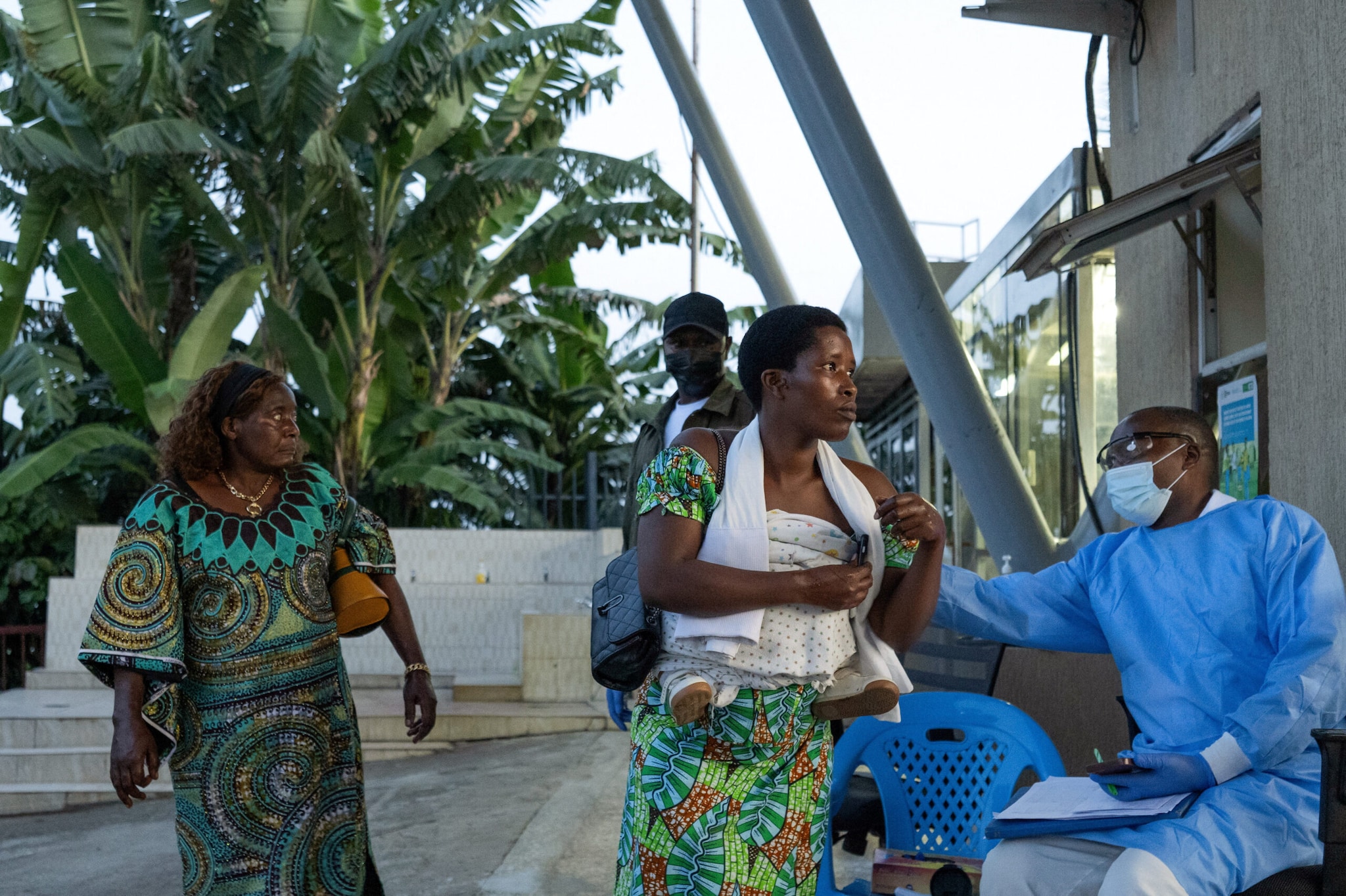
This structural latency is exacerbated by a pronounced community trust deficit. The health ministry noted that early alerts failed to circulate because local populations frequently misattributed the acute hemorrhagic symptoms to mystical or non-biological causes. Consequently, symptomatic individuals actively avoided formal healthcare facilities, opting instead to remain within their communities or seek alternative treatments. This behavior creates an opaque transmission chain. When a patient dies outside the clinical framework, traditional burial practices involving direct contact with the deceased accelerate the secondary infection rate, generating an exponential curve that remains invisible to health authorities until catastrophic clusters manifest.
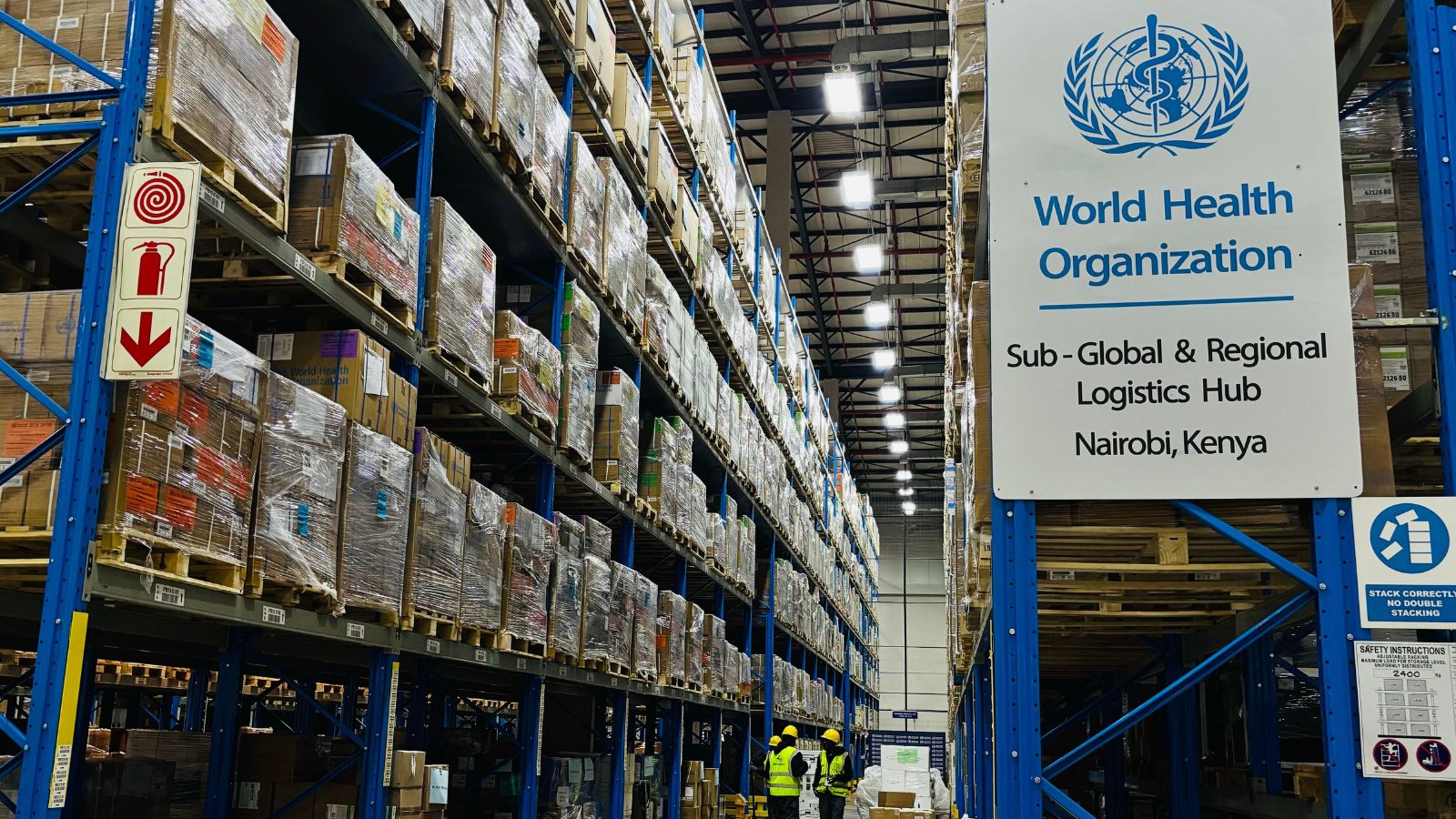
The operational response is further constrained by shifting geopolitical alignments. The historical playbook for controlling large-scale Ebola surges in the DRC relied on deep integration between local ministries, non-governmental organizations like Médecins Sans Frontières (MSF), and the World Health Organization (WHO). However, institutional changes—such as the United States' formal departure from the WHO in January—disrupt predictable funding mechanisms and coordinated command-and-control structures. While initial emergency funding allocations (such as the WHO's release of $3.9 million) and bilateral aid from the US State Department provide short-term liquidity, they do not resolve the structural deficit in frontline diagnostic readiness.
Strategic Protocol for Active Mitigation
To arrest the geometric expansion of the Bundibugyo variant across eastern Africa, regional and international response networks must abandon passive tracking models and pivot to an aggressive, structurally adaptive intervention matrix.
First, diagnostic protocols must undergo immediate decentralization. Deploying broad-spectrum multiplex polymerase chain reaction (PCR) platforms capable of simultaneously screening for Zaire, Sudan, and Bundibugyo strains directly to provincial hubs like Bunia and Butembo is mandatory. Eliminating the requirement to transport samples to distant capital laboratories will compress the diagnostic confirmation loop from days to hours, allowing isolation protocols to mirror actual viral velocity.
Second, in the absence of an approved vaccine, containment efforts must execute a strict zero-contact burial policy and immediate ring-isolation around mobile labor populations. In mining zones like Mongbwalu, health authorities must establish mandatory screening checkpoints at extraction sites to monitor temperature and symptomatic indicators before workers disperse along transit lines.
Finally, containment strategies in rebel-held territories, specifically Goma, require the immediate negotiation of humanitarian health corridors. Public health agencies must operate through neutral intermediaries to secure non-aggression guarantees for medical personnel. Failure to establish stable, unhindered diagnostic and isolation footprints within these conflict zones guarantees that the urban centers will function as permanent reservoirs, continuously re-infecting surrounding provinces and cross-border commercial nodes.