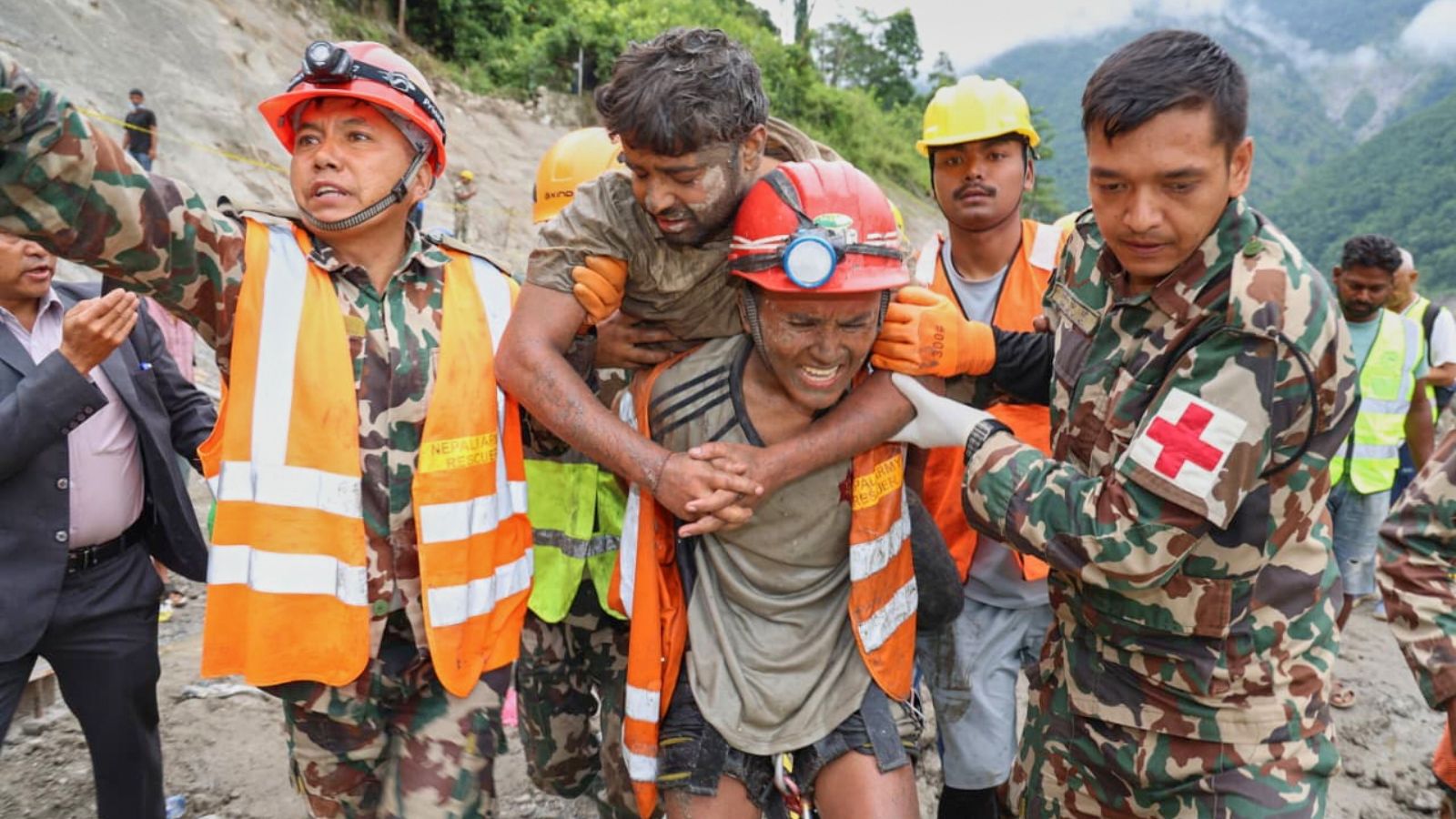
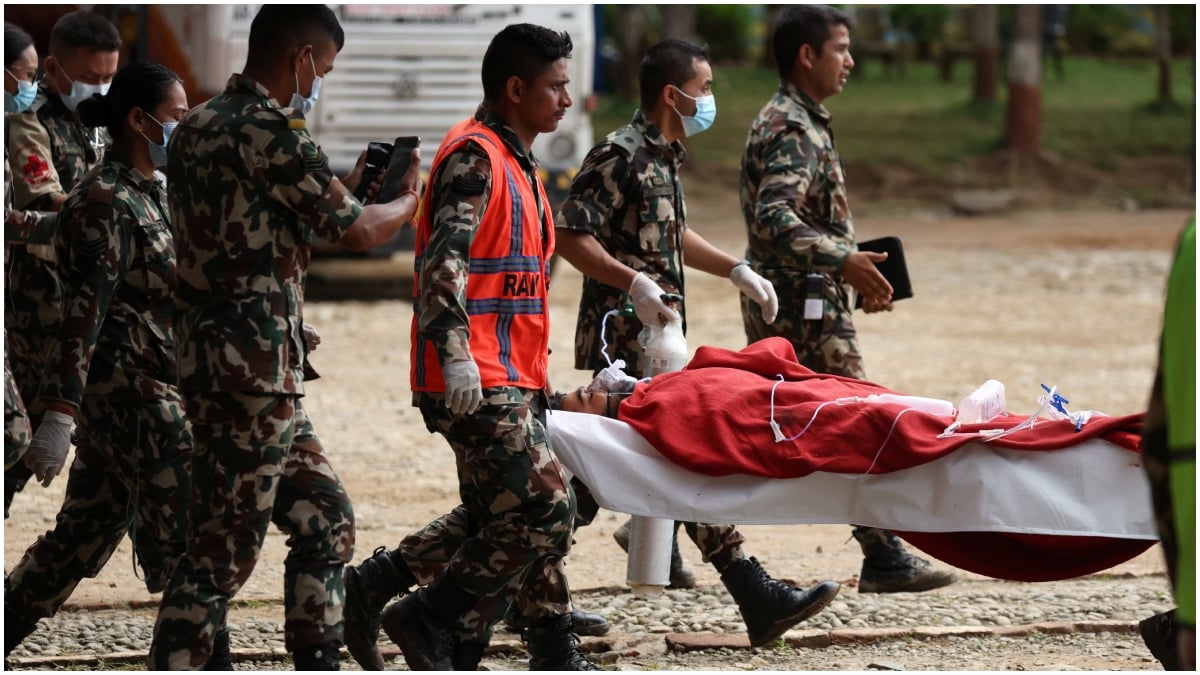
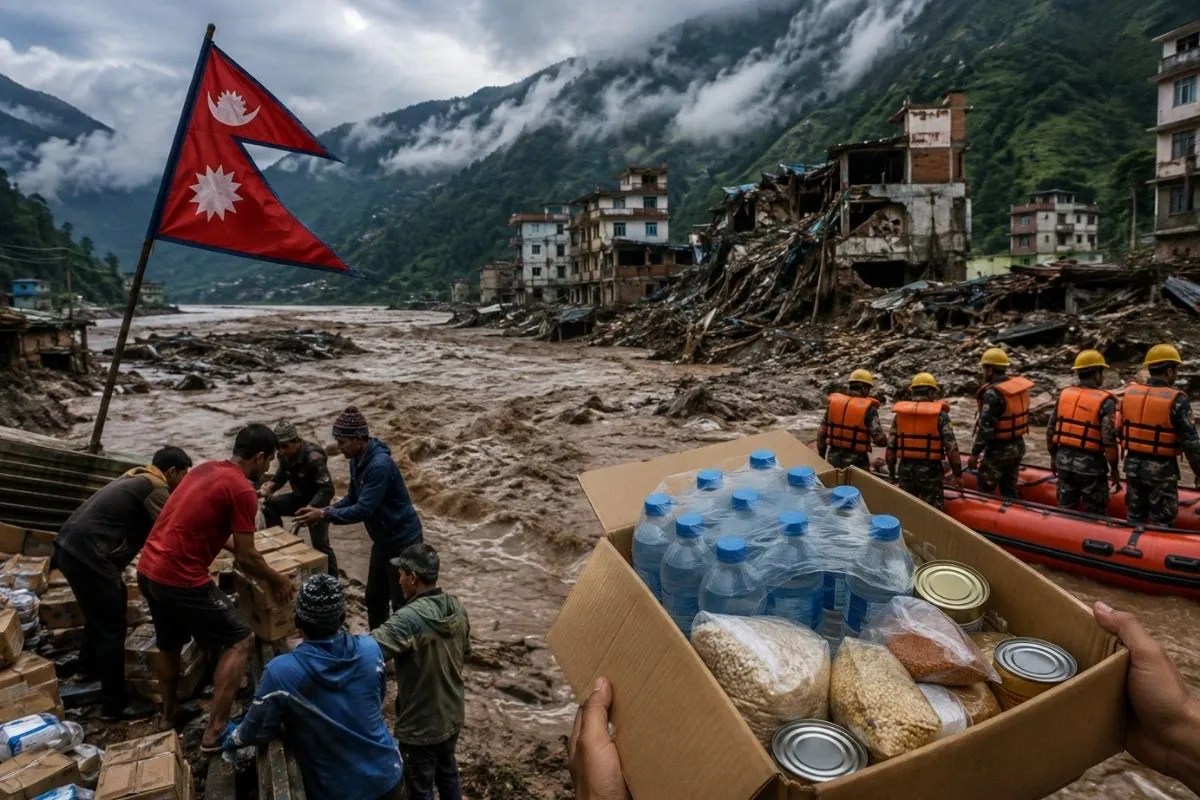
Mass casualty events in high-altitude river basins expose the fragile interface between geomorphological volatility and institutional tracking infrastructure. When an ice-rock avalanche near the Nepal-Tibet border initiated a catastrophic flash flood across northern and central Nepal on August 26, the resulting downstream surges bypassed standard early warning thresholds. The human cost manifested immediately in mortality metrics, with the national death toll reaching 1,282 and active missing persons counts exceeding 4,700.
At a granular level, the disaster triggered severe demographic fragmentation, highlighted by approximately 600 children remaining unaccounted for across the Rasuwa and Nuwakot districts alone. Deconstructing this crisis requires moving past aggregate casualty reporting to analyze the systemic breakdown of local governance, communication infrastructure, and administrative tracking mechanisms.
The Mechanics of Information Failure in Disaster Zones
The primary bottleneck in post-disaster accountability is the structural breakdown of local data collection nodes. Education Development and Coordination Units, local municipal bodies, and individual academic institutions form the baseline census architecture for youth demographics in rural Nepal. When an extreme hydrological event severs physical transit corridors and telecommunication lines, these administrative nodes experience total signal isolation.
In Nuwakot, where roughly 300 to 350 children remain missing—including an estimated 250 in Bidur Municipality alone—local authorities faced an immediate data verification vacuum. Headmasters and municipal school inspectors could not cross-reference enrollment lists against survival status because electrical grids and cellular towers collapsed simultaneously.
This creates a secondary crisis: operational paralysis. Without verified telemetry from the field, search-and-rescue commands cannot allocate resources using demand-weighted geographic models. The absence of real-time data forces emergency response teams into reactive sweeps rather than targeted extractions.
Geographic Vulnerability and Downstream Dispersion
The spatial distribution of recovered bodies illuminates the kinetic energy of the flash flood and the vector of human displacement. According to Nepal Police data, fatalities span multiple districts along the flood path:
- Chitwan: 359 recovered bodies
- Nawalparasi East: 218 recovered bodies
- Nawalparasi West: 208 recovered bodies
- Nuwakot: 185 recovered bodies
- Rasuwa: 140 recovered bodies
- Gorkha: 72 recovered bodies
- Dhading: 60 recovered bodies
- Tanahu: 38 recovered bodies
This dispersion pattern underscores a critical hydro-topographical reality. High-velocity torrents channeled through narrow Himalayan gorges accelerate rapidly, converting debris flows into destructive kinetic battering rams.
Infrastructure resilience metrics failed entirely; Ministry of Education data confirms that 22 schools across Rasuwa, Nuwakot, and Dhading sustained direct structural damage, with 12 institutions completely obliterated. When institutional anchors are physically swept away, the population density vectors associated with those buildings disperse randomly downstream, complicating forensic identification and family reunification protocols.
The Human Capital Deficit Among Frontline Educators
The demographic loss extends beyond the student population to the institutional backbone of rural education. Field reports confirm that 22 teachers and school staff members remain unaccounted for across Rasuwa and Nuwakot. Rasuwa recorded 16 missing educational personnel, while Nuwakot confirmed six.
This loss introduces a long-term systemic failure mode. The eradication of local teaching cadres hobbles the post-crisis recovery phase. Even if physical school structures are rebuilt, the loss of institutional memory, administrative continuity, and psychological first-response leadership impedes the restoration of normalcy for surviving children. Furthermore, administrative vulnerability was amplified by seasonal migration patterns; several teachers from external districts like Dhading and Gorkha who were traveling through Rasuwa for regional pilgrimages were caught in the deluge, compounding the tracking deficit.
Structural Impediments to Family Reunification
The recovery phase is currently bottlenecked by asymmetric information loops between displaced parents and surviving minors. Field inspectors note a harrowing operational paradox: rescue camps contain surviving parents searching for missing offspring, while parallel camps house surviving students searching for displaced or deceased guardians.
Because centralized digital registry systems do not exist at the municipal level prior to impact, matching survivor datasets relies on manual, paper-based inquiries handled by overburdened local bureaucrats. The friction inherent in this manual verification process delays humanitarian resource allocation, leaving vulnerable demographics exposed to secondary risks such as waterborne disease outbreaks, psychological trauma, and protection gaps.
Deploy an autonomous, satellite-linked biometric registry unit to frontline relief camps within the first 48 hours of any high-altitude hydrological event to decouple population tracking from terrestrial communication grid dependencies.