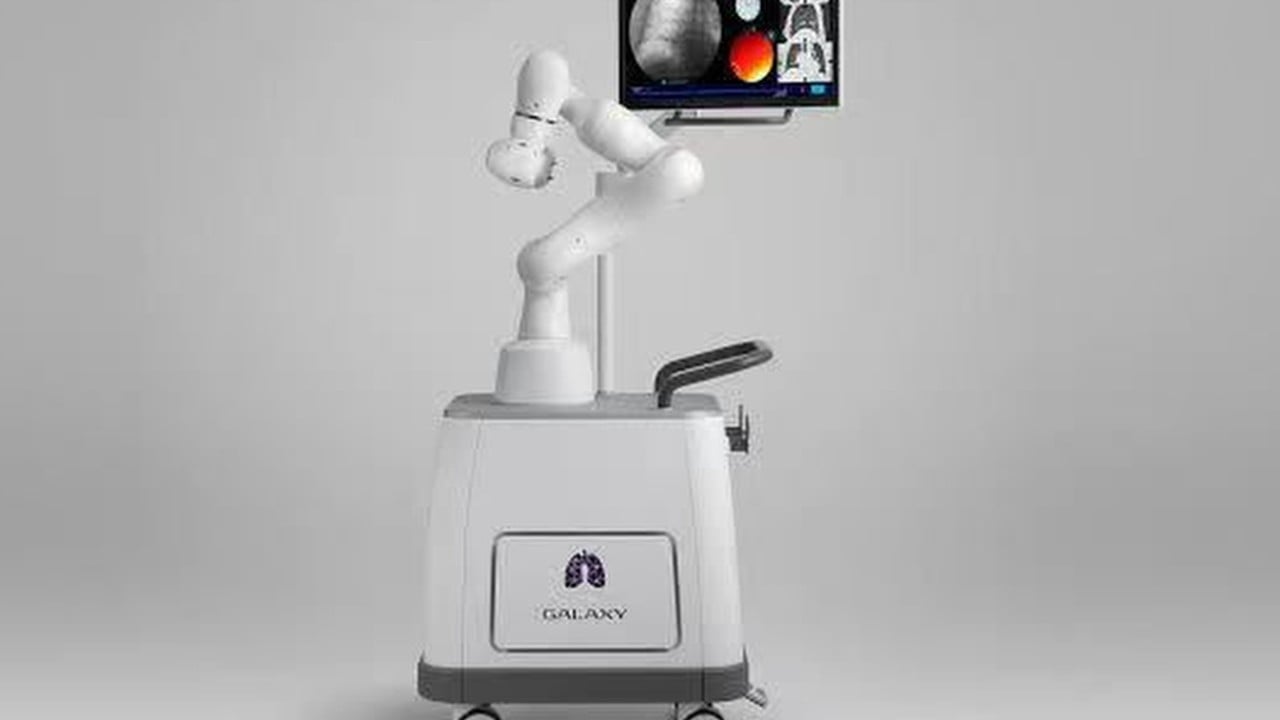
Medical device commercialization follows a rigid financial gradient. When a venture-backed enterprise reaches the threshold where domestic cash flows can no longer sustain international R&D velocity, capital restructuring becomes mandatory. The recent strategic pivot by SoftBank-backed medical robotics entities toward Hong Kong primary listings is not a simple fundraising maneuver. It represents a precise geographical arbitrage designed to bridge regulatory compliance hurdles while fueling aggressive penetration into tier-one and emerging mainland China healthcare networks. Understanding this mechanism requires deconstructing the economic vectors governing hardware commercialization, regulatory clearance pathways, and cross-border capital liquidity.
The Regulatory Arbitrage of National Drug Administration Approvals
Entry into mainland China’s medical device sector demands clearance from the National Medical Products Administration (NMPA). For foreign-headquartered or Western-funded enterprises, this approval process introduces a high-friction variable into the operational timeline. Hardware systems must undergo localized clinical evaluations, biometric validation, and stringent quality audits that often duplicate prior regulatory clearances obtained from agencies such as the US Food and Drug Administration (FDA).
The financial cost of this delay manifests as extended capital burn rates before monetization can begin. By securing NMPA approval prior to a public offering, firms clear the primary binary risk factor that public market equity analysts discount.
- Pre-Approval Phase: High capital expenditure allocated to clinical trials, zero revenue capture within the target domestic jurisdiction, and severe valuation discounting by risk-averse institutional investors.
- Post-Approval Phase: Immediate eligibility for hospital procurement tenders, integration into provincial reimbursement frameworks, and conversion of clinical utility into recurring consumable sales.
The Hong Kong Exchange as a Liquidity Conduit
Why target Hong Kong rather than domestic mainland exchanges or Nasdaq? The decision is dictated by structural capital constraints and investor base diversification. Mainland exchanges enforce strict profitability track records for main board listings, a hurdle for capital-intensive hardware developers running net losses during their aggressive scaling phase. Conversely, Nasdaq exposes Asian-headquartered or dual-market operations to geopolitical listing scrutiny and time-zone liquidity disconnects.
Hong Kong offers an optimal structural compromise. Chapter 18A of the Main Board Listing Rules provides a pathway for pre-revenue or pre-profit biotech and medical device companies to raise primary capital, provided they hold meaningful core product approvals. For international venture funds seeking an exit strategy, the Hong Kong bourse serves as a frictionless bridge. It allows foreign institutional capital to back assets that derive a substantial portion of their operational growth from the domestic Chinese market without violating capital controls.
Commercial Scaling Vectors in Regional Healthcare Hubs
Surgical robotic hardware sales rely on a razor-and-blade business model. The primary console sale represents an initial capital outlay for a hospital, while ongoing instrument tips, sheaths, and maintenance contracts generate high-margin recurring revenue. Scaling this model into mainland China requires navigating distinct institutional tiers.
- Tier-One Flagship Institutions: Facilities like Sir Run Run Shaw Hospital in Hangzhou or major clinical centers in Beijing and Shanghai act as opinion leader hubs. Securing placements here validates clinical efficacy for regional buyers.
- Emerging Municipal Centers: Provincial hospitals represent volume growth. Penetration into these markets depends heavily on local distribution networks and government-backed hospital upgrade budgets.
- Cross-Border Clinical Training: Facilities in Hong Kong, such as the Prince of Wales Hospital, function as regional training grounds where mainland and international surgeons interface with the technology, lowering adoption friction.
The Operational Cost Function and Margin Pressures
Manufacturing precision surgical systems involves extreme supply chain concentration. Specialized optical sensors, micro-articulated actuators, and proprietary sterilization housings create a high cost of goods sold (COGS) during early production runs. Unlike software entities that scale at near-zero marginal cost, robotics manufacturers must absorb massive inventory holding costs and continuous component sourcing validation.
When firms raise capital via a public listing, the primary allocation target is rarely basic research. Instead, funds are systematically funneled into three operational pillars: expanding direct sales and clinical support engineering teams on the ground, funding localized manufacturing infrastructure to bypass import tariffs, and subsidizing initial hospital placements to accelerate procedure volume.
To execute this expansion without compressing operating margins, management must achieve rapid utilization density. A robotic system that sits idle in an operating theater generates zero consumable revenue. Consequently, go-to-market strategies must incorporate dedicated clinical success teams embedded within hospitals to ensure surgical staff transition smoothly from traditional laparoscopic methods to console-based navigation.
Deploy capital directly into regional clinical integration teams and localized supply chain redundancies prior to the final public filing date to ensure immediate utilization yield upon public capital influx.