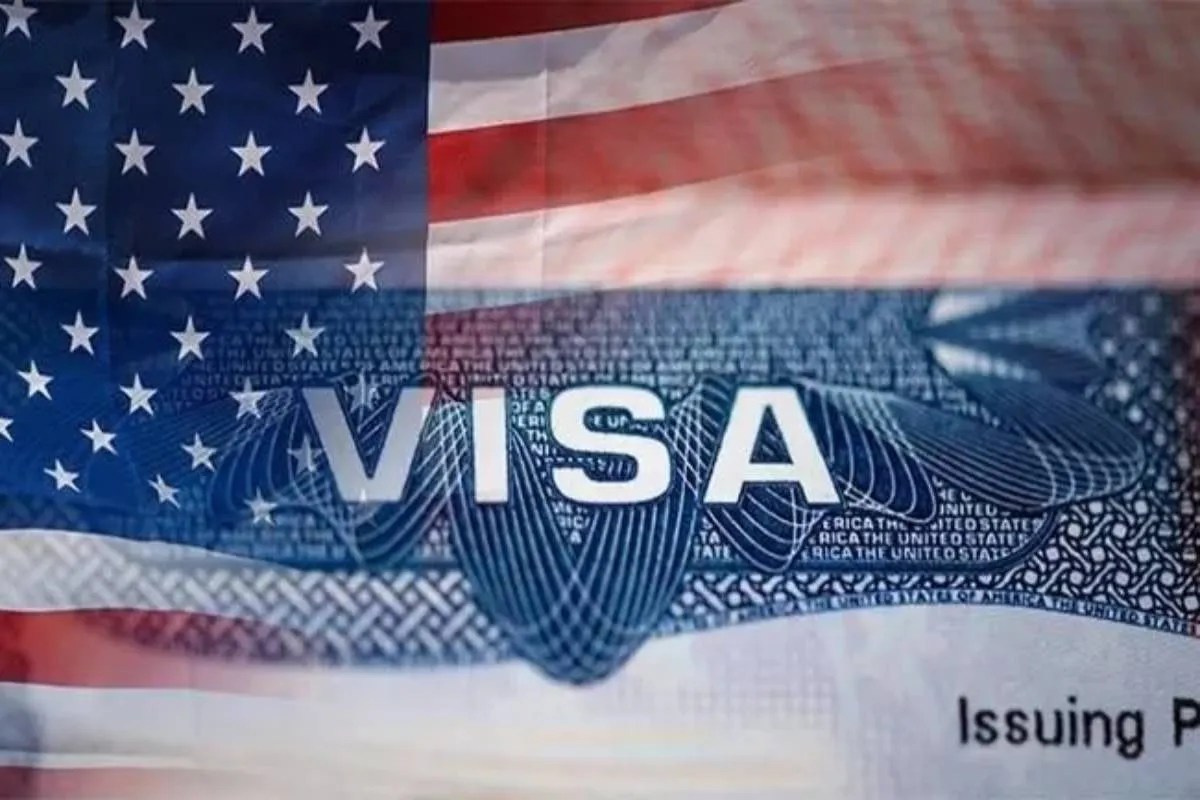
For years, packing two massive suitcases and boarding a flight to New York or San Francisco felt like the ultimate rite of passage for ambitious Indian graduates. That dream is hitting a wall. Recent data reveals a staggering 62% drop in F-1 student visas issued to Indian nationals during the peak 2025 admissions season.
If you are planning to study in the US, you can't ignore what's happening right now. The shifts aren't just minor bureaucratic delays. They point to a aggressive tightening of American immigration policies that are fundamentally reshaping higher education.
What the Numbers Actually Tell Us
Let’s look at the hard data. According to an analysis by the Center for Immigration Studies (CIS), US consulates issued just 22,149 F-1 student visas to Indian applicants between May and August 2025.
Compare that to the 58,694 visas handed out during the exact same window in 2024. That's a massive freefall.
China saw a decline too, dropping from 61,075 to 40,034 visas, but their drop sat at roughly 34%. Indian students bore twice the blow. For context, historical averages between 2017 and 2024 (excluding the pandemic year) hovered around 55,717 visas for Indians during those peak months. The 2025 numbers sit a full 60% below that historical benchmark.
India still holds the crown as the largest source of international students in the US—boasting over 363,000 scholars during the 2024-25 academic year according to the Institute of International Education (IIE). But the pipeline feeding that ecosystem is drying up fast.
The Real Target Isn't Just the Classroom
Most students don't move to the US just to sit in a lecture hall. They go for the post-study work opportunities. That is where the pressure is mounting.
Think about the Optional Practical Training (OPT) program. It’s the lifeline that lets international graduates work in the US for up to 12 months, or 36 months for STEM majors. During the 2024-25 academic year, nearly 294,000 foreign graduates were working under OPT. Indian nationals made up nearly half of that total, claiming roughly 143,740 spots.
Now, policy groups and conservative think tanks are pushing hard to dismantle or severely restrict OPT. Arguments from groups like CIS claim that programs like OPT squeeze out domestic American workers and depress local wages. When policymakers target the work visa pipeline, university admissions naturally follow suit. Consulates get strict, approvals plummet, and students start looking elsewhere.
Where Do Indian Students Go From Here?
If you're currently preparing applications, you shouldn't panic, but you do need a reality check. Putting all your eggs in the American basket is a risky gamble right now.
Alternative destinations are stepping up. Countries like Germany, the UK, Canada, and Australia have their own immigration debates, but many students are finding more predictable post-study work pathways there compared to the volatile climate in the US.
If you are set on heading across the Atlantic, look closely at your financing, back-up visa options, and institutional choices. Don't rely on the assumption that an acceptance letter automatically guarantees a visa stamp or a smooth transition into the local workforce. Keep your options open, stay updated on consular changes, and build a career strategy that doesn't depend on a single border remaining open.