Three out of four Albertans voted to stay in Canada on October 19, 2026. That headline sounds settled. It isn't.
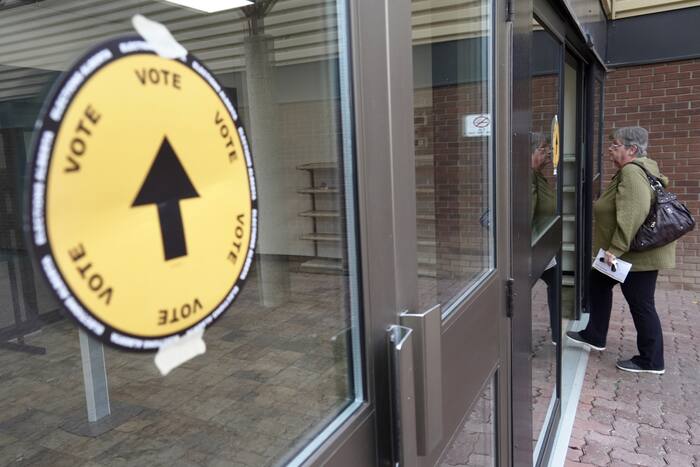
When Elections Alberta published the official numbers on October 29, 74.95% of valid votes on the separation question backed remaining a province, while 25.05% (520,233 votes) favored starting the constitutional process toward a future binding separation vote. A 50-point gap looks like a blowout. Yet turnout on that question hit 67.44%, beating the 60.5% turnout from the 2023 provincial general election. Voters showed up in big numbers to draw a line on independence, even as grievances over federal power and economic fairness kept simmering.
What the Alberta Independence Vote Actually Asked
People outside Canada often assume Albertans cast a final ballot on leaving the country. That's not what happened. Question 10 asked whether Alberta should remain a province of Canada or begin the legal steps required under the Canadian Constitution to hold a future binding referendum on separation.
Even so, the stakes felt real because the question forced a hard choice between staying inside Confederation and opening a formal secession track. Prime Minister Mark Carney campaigned in Alberta ahead of the vote, framing the moment as a choice for national unity and shared responsibility. Premier Danielle Smith later pledged not to hold another separation referendum while serving as premier, steering her government back toward pushing for provincial autonomy inside Canada's existing legal and political system.
A quarter of valid votes is still a noticeable minority. Separatist organizers pointed to that 25.05% share as proof that deep frustration over federal policies and how Alberta is treated within Canada hasn't vanished. Still, only two electoral divisions favored starting the separation process, showing how concentrated that support remained across the province.
The Other Nine Referendum Questions Tell a Messier Story
If you only look at Question 10, you miss the split personality of the October 19 ballot. Voters answered ten questions in total, and hand-counting over 2.21 million votes on the separation question alone stretched well past the usual 48-hour unofficial tally window, taking about five days.
Here is how the rest of the ballot shook out:
- Provincial pushback won on several practical issues: Majorities voted "yes" on five of the other nine questions, including giving Alberta greater control over immigration to prioritize economic migration and local workers (54.86% yes on Question 1), limiting eligibility for certain provincially funded programs such as health care and education based on citizenship, permanent residency, or approved Alberta status (52.46% yes on Question 2), and requiring proof of citizenship to vote in provincial elections (58.06% yes on Question 5).
- Constitutional overhauls hit a wall: Voters rejected all four constitutional amendment proposals—including shifting provincial court judicial appointments away from Ottawa and giving provincial laws priority in overlapping areas—with "yes" votes landing between 42.44% and 47.28%.
- Cities pushed back: Major urban centers like Calgary and Edmonton resisted the referendum push, reminding political strategists that suburban and rural anger doesn't automatically carry big cities.
Political scientist Lori Williams of Mount Royal University noted after the official results came out that the mixed bag didn't hand the government a sweeping mandate to confront Ottawa on every front. Passing a handful of policy questions while losing every constitutional amendment and losing by three-to-one on separation looks more like selective frustration than a wholesale rejection of Canada.
Why Separation Stalls Despite Real Grievances
In my view, the gap between Alberta's loud grievances and its weak appetite for actual separation comes down to cold math and lived reality. Plenty of Albertans feel shortchanged by federal rules, energy debates, or Ottawa's political weight—honestly, that feeling has existed for decades. Wanting a better deal inside Canada is a very different bet from blowing up trade, currency, borders, and treaty relationships.
Treaty rights and Indigenous sovereignty add another massive layer that separation slogans gloss over. Large parts of Alberta are covered by historic numbered treaties, and Indigenous leaders and organizations have repeatedly made clear that provinces can't simply secede and take treaty territories out of Canada unilaterally. Legal uncertainty alone makes independence a tough sell for risk-averse voters.
There's also a practical lesson in how voters split their tickets. Many Albertans are willing to back tighter provincial rules on immigration, voter ID, or service eligibility when they're framed around local priorities. When asked to open the door to leaving Canada or rewriting the Constitution, most pulled back.
Practical Next Steps for Tracking What Happens Next
Whether you follow Canadian politics closely, invest in western Canada, or live in Alberta, don't treat the referendum as the end of the story—treat it as a baseline reading of voter limits.
- Watch provincial legislation over constitutional fights: Track how the Alberta government turns narrow "yes" votes on immigration, citizenship proof, and service rules into actual bills and regulations, where legal and jurisdictional hurdles will quickly test what's workable.
- Read urban vs. non-urban vote splits: Look closely at riding-level breakdowns from Elections Alberta rather than relying solely on provincewide averages, especially in Calgary, Edmonton, and fast-growing commuter communities.
- Separate rhetoric from legal reality: Whenever separation or constitutional amendments come up in speeches, check the actual constitutional thresholds and treaty obligations involved before assuming a headline proposal has a realistic path forward.
What does Alberta's independence referendum result mean? breaks down how the separation vote and the other nine referendum questions fit together in under a minute.