Markets don't like uncertainty. Right now, Wall Street is facing a double dose of it from two completely different corners of the economy.
On one hand, tech giants are heading into another high-stakes earnings cycle with sky-high AI valuations hanging over their heads. On the other hand, fresh policy proposals targeting generic drug imports threaten to disrupt healthcare supply chains and squeeze consumer wallets.
If you're trying to make sense of what's driving market volatility today, you need to understand how these two forces interact. Investors are no longer giving tech companies a free pass on massive capital expenditures, and pharmaceutical stocks are bracing for policy shockwaves.
Here is what's really going on behind the headlines, why it matters for your portfolio, and how smart capital is positioning itself right now.
Generic Drug Policy Shifts Put Healthcare Stocks on Notice
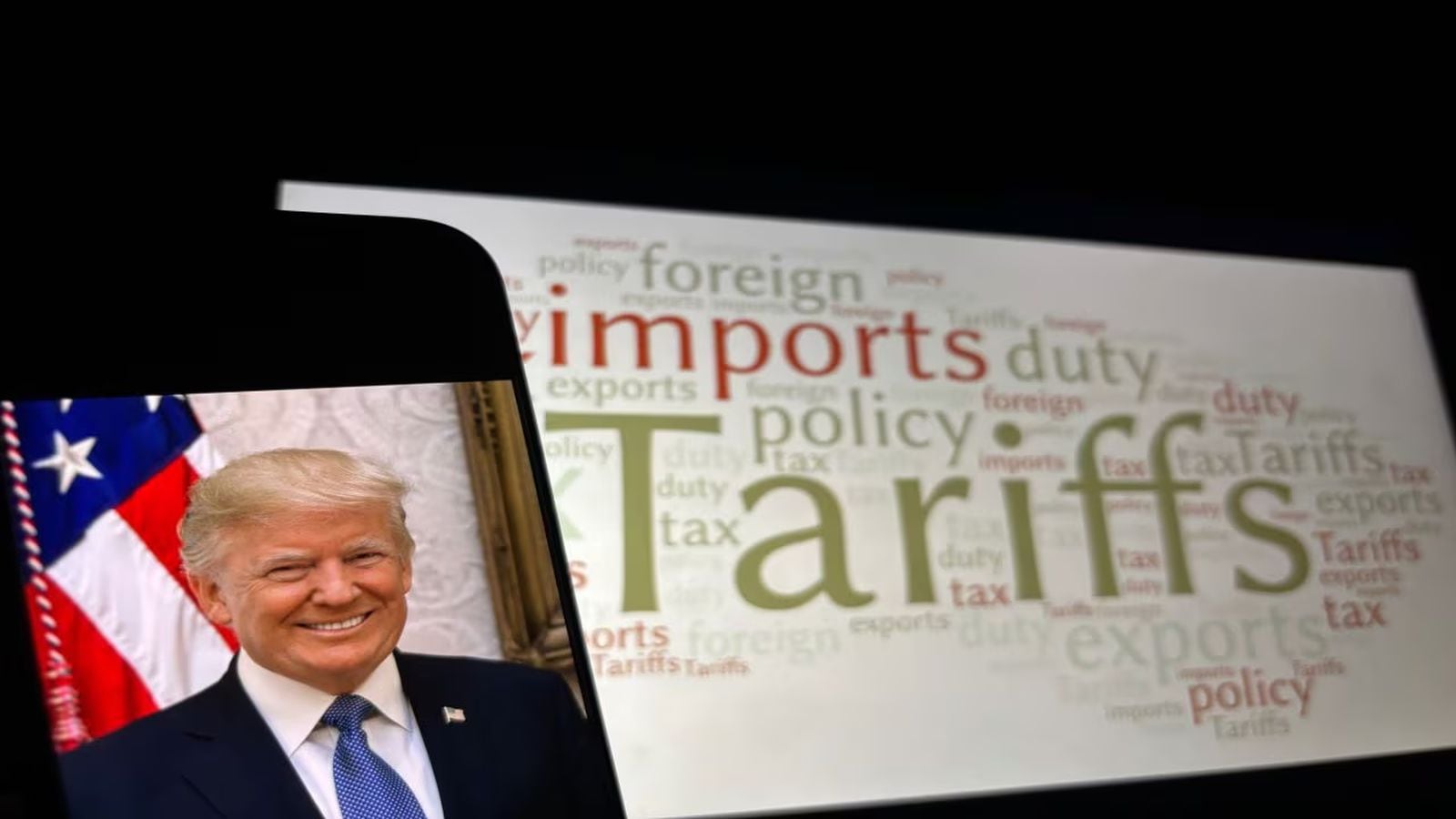
Trade policy just took a sudden, sharp pivot toward healthcare. Proposed 100% tariffs on generic drugs manufactured overseas have caught pharmaceutical companies and hospital operators off guard.
The goal seems straightforward on paper. Washington wants to bring pharmaceutical manufacturing back to American soil and reduce reliance on overseas suppliers. India and China currently supply a huge chunk of active pharmaceutical ingredients and finished generic medicines used in American hospitals every single day.
Reshoring complex supply chains takes years. It requires capital investments that companies can't just throw together overnight.
Short term supply chain bottlenecks are almost guaranteed if these tariffs kick in before domestic infrastructure is ready. Generic drugs account for roughly nine out of ten prescriptions filled in the United States. Pushing costs higher on low-margin products will hit retail pharmacies, drug distributors, and end consumers almost immediately.
Market reaction has been swift. Pharmaceutical distributors and generic manufacturers took a direct hit as traders tried to price in higher operational costs. Healthcare providers are already operating on thin margins. They simply cannot absorb massive price spikes for everyday medications without passing those costs along or cutting operational budgets elsewhere.
AI Valuations Meet Hard Reality This Earnings Season
While healthcare adjusts to policy headlines, the tech sector faces a moment of truth. Big tech companies have poured hundreds of billions of dollars into AI infrastructure over the last few years. Data centers have expanded at a record pace. Nvidia chips have been bought up like gold bars.
Now, institutional investors are asking a uncomfortable question. Where is the actual revenue?
We are moving out of the hype phase and directly into the proof phase. Early adoption figures and pilot programs aren't cutting it anymore. Wall Street wants to see real top-line growth generated by these massive investments.
Software companies that slapped AI features onto existing products are finding that customers aren't always willing to pay extra for them. Enterprise buyers are auditing their software spending carefully. CFOs are demanding proof of productivity gains before signing off on expensive new enterprise software seats.
This creates a serious valuation problem. When stocks trade at massive multiples of earnings, any hint of decelerating growth or delayed payback periods leads to sharp sell-offs. We saw early signs of this tension in software earnings earlier this year, and the pressure has only built up since.
Capital Expenditures Are Under the Microscope
To understand why tech stocks are so twitchy right now, you have to follow the cash flow. The massive capital spending boom from cloud giants has been the main engine driving tech earnings for two straight years.
Microsoft, Alphabet, Amazon, and Meta have spent record sums building out infrastructure. That spending supported chip makers, hardware suppliers, and power infrastructure companies.
What happens if cloud giants start reining in that spending?
If enterprise software companies don't see quick monetisation from AI tools, they will eventually cut back on cloud infrastructure consumption. That triggers a domino effect straight down the supply chain. Chip orders slow down. Data center expansion projects get delayed. Multipliers across the entire sector contract.
Institutional investors aren't dumping tech entirely. They're rotating within the sector. Money is moving away from speculative application software and toward companies with immediate cash flow and proven pricing power.
How Trade Volatility and Tech Valuations Intersect
It might seem like drug tariffs and tech earnings have nothing to do with each other. They actually share a core theme that defines the market today. Capital discipline.
For years, cheap borrowing and stable global supply chains allowed companies to operate with maximum flexibility. Tech firms could spend big on moonshots without worrying about immediate returns. Healthcare companies could lean on global supply chains to keep generic drug prices low while chasing fat margins on specialty drugs.
That era is over. Higher interest rates and changing geopolitical realities mean every dollar spent must yield a clear, near-term return.
When trade policy threatens to raise input costs for healthcare, it drains liquidity from defensive sectors. When tech companies fail to prove immediate payback on infrastructure spending, growth sectors take a hit. When both happen at the same time, broad indexes experience sudden, choppy sector rotations.
Traders who rely solely on index funds are feeling the sting of this friction. Broad index returns are getting pulled in opposite directions by mega-cap tech volatility on one side and healthcare drag on the other.
Identifying Real Quality in an Uncertain Market
Navigating this environment requires looking beyond market broad sweeps and focusing on balance sheet strength.
In healthcare, focus on companies with diversified supply chains and strong domestic manufacturing capability. Firms that already operate state-of-the-side facilities or hold exclusive domestic contracts are far better positioned to handle import tariffs than those relying heavily on foreign suppliers. Drug distributors with strong pricing power and long-term contracts can pass through cost increases far more effectively than small generic producers.
In tech, look for companies that derive revenue from actual execution rather than future promises. Companies providing essential infrastructure, cybersecurity, and core business software have sticky customer bases that don't churn during budget reviews.
Companies that rely on discretionary enterprise add-ons are far more vulnerable. If an enterprise tool doesn't directly save money or drive revenue today, it is at risk of being cut during the next procurement audit.
Practical Steps for Managing Portfolio Risk Right Now
Sitting on the sidelines rarely works, but blind optimism gets punished fast in a choppy market. Here is how to handle your portfolio as earnings unfold and policy shifts take shape.
First, audit your tech exposure for valuation bloat. Check the price-to-earnings ratios and revenue growth trends of the software companies in your portfolio. If a company is trading at an extreme valuation without showing accelerating revenue from its core products, it presents elevated risk this earnings season.
Second, review your healthcare holdings for foreign supply chain risk. Pay close attention to management commentary during quarterly earnings calls regarding generic drug sourcing and tariff impacts. Companies with clear mitigation plans will outperform those caught flat-footed.
Third, hold sufficient cash or short-dated yield instruments to take advantage of temporary market mispricings. Choppy earnings seasons create sharp sell-offs in high-quality stocks that simply happen to miss arbitrary quarterly expectations. Having liquidity ready allows you to pick up solid assets at reasonable prices when market panic creates temporary bargains.
Focus on fundamental execution, keep an eye on real cash flow over narrative promises, and don't let short-term headlines distract you from long-term enterprise value.