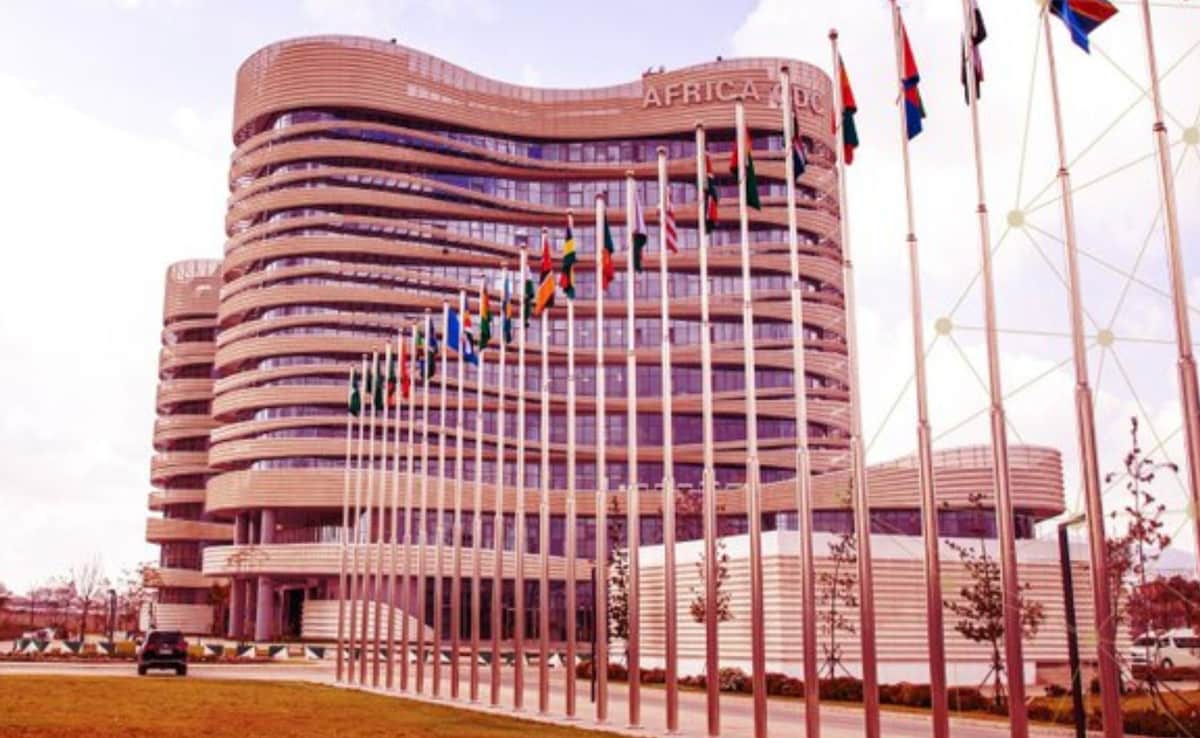
The Africa Centres for Disease Control and Prevention just made a massive move. By declaring the current Ebola outbreak a continental security emergency, the agency didn’t just signal panic. They shifted the entire geopolitical playbook for health crises on the continent.
If you think this is just another routine bureaucratic press release, you’re missing the bigger picture. This declaration gives Africa CDC the teeth to mobilize resources, bypass red tape, and coordinate cross-border responses in a way they never could during the tragic West African outbreak a decade ago. It's a line in the sand.
The real reason people are searching for information right now boils down to one question. Is this going to turn into a global panic, or can continental institutions actually contain it? The short answer is that the infrastructure exists to stop it, but only if bureaucratic infighting stops immediately.
Inside the Africa CDC Continental Security Declaration
When the Africa CDC head stood up to declare a public health emergency of continental security, it marked a historic first. Under revised statutes granted by the African Union, the agency now possesses autonomous legal authority to declare these emergencies. They don’t need to wait for Geneva or the World Health Organization to sound the alarm anymore.
This shift matters because timing is everything with Ebola. The virus doesn't care about borders. By invoking this specific legal mechanism, Africa CDC can deploy the African Health Volunteers Corps immediately to hotspots. They can also force state governments to share real-time epidemiological data, which used to take weeks of diplomatic wrangling.
Let's look at the numbers driving this decision. Data from health ministries shows a worrying uptick in cases across multiple borders. It isn’t just contained to one remote village. The strain involved demands intense containment measures, and the continent's top health officials realized that waiting for a sluggish global response would be catastrophic.
What the Media Gets Wrong About Current Outbreak Risks
Every time the word Ebola hits the headlines, the internet breaks. Outdated fears from 2014 start circulating again. Most coverage treats Africa as a single monolithic entity, ignoring the sophisticated surveillance networks built over the last ten years.
We have highly effective therapeutics and vaccines now. The Ervebo vaccine has fundamentally changed how medical teams handle ring vaccination strategies. During previous flare-ups in the Democratic Republic of Congo, teams deployed these tools under extreme duress and successfully blunted the virus's trajectory.
The issue today isn't a lack of medical science. It's logistics and trust.
"Public health is entirely built on local trust. If communities don't trust the people in hazmat suits, the best vaccines in the world will just sit in cold storage."
Local healthcare workers face massive hurdles with misinformation. When outside teams rush in without engaging community elders, people hide their sick relatives. That’s how small clusters turn into regional crises. The continental emergency declaration aims to fund local responders who already possess that crucial community trust, rather than relying solely on international NGOs.
Moving Past the Finger Pointing to Practical Steps
To actually contain this threat, the response must focus on immediate, practical ground realities. The continental declaration unlocks emergency funds, but those funds need to hit border screening posts within days, not months.
Border communities need immediate support. Simple thermal scanning, rapid diagnostic kits, and localized isolation tents at major trading checkpoints do more to stop transmission than a dozen high-level summits in Addis Ababa.
If you are tracking this situation or managing operations in affected regions, don't wait for international directives. Ensure your local teams have updated protocols on viral hemorrhagic fevers. Audit your supply chains for personal protective equipment right now. Support the local public health clinics that form the actual front line of defense, because a centralized declaration is only as good as the nurse implementing it at a remote border post.