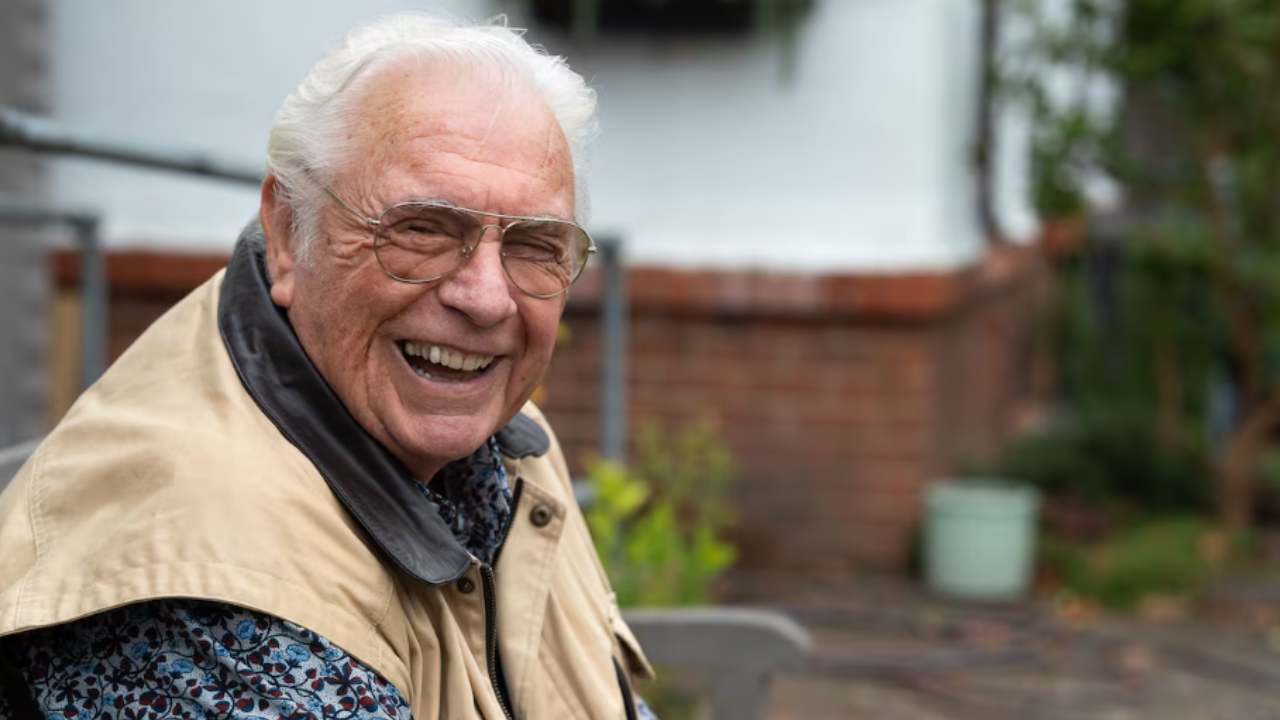
Most charity campaigns spend half their budget on glossy brochures and executive salaries before a single penny reaches the people who actually need help. Then you hear about a 91-year-old former lorry driver sitting in his living room, quietly clicking away on a pair of knitting needles until he has produced 200 woolly hats for people facing winter without proper shelter.
That contrast says everything about how community support actually works.
When a story like a 91-year-old retired truck driver knitting 200 woolly hats goes viral, people usually treat it like a cute human-interest filler piece. They smile, hit share on social media, and scroll straight past to the next outrage cycle. Honestly, missing the deeper lesson here is a huge mistake. Behind those 200 handmade hats sits a blueprint for purposeful aging, practical grassroots philanthropy, and why traditional handcrafts still matter in a world obsessed with mass production.
What People Get Wrong About Charity Knitting
If you've ever volunteered at a homeless shelter, a hospital neonatal unit, or a community outreach center, you know the truth about donated clothing. Most of it is unusable garbage. People treat charity bins like a convenient alternative to the local dump, offloading stained t-shirts, broken zippers, and worn-out shoes that end up in landfills anyway.
A hand-knitted hat is the exact opposite of a lazy closet cleanout.
Think about the sheer physical investment required to make 200 individual garments by hand. Depending on the yarn weight and stitch complexity, a single adult beanie takes anywhere from three to six hours of steady work. Multiply that by 200. You're looking at roughly 600 to 1,200 hours of focused, repetitive hand labor. At 91 years old, someone who spent decades gripping the steering wheel of a heavy goods vehicle isn't doing that because they're bored. They're doing it because every stitch solves a real, tangible problem.
Here's why handmade knitwear actually outperforms cheap bulk-bought winter gear in grassroots aid:
- Superior thermal retention when knitters use dense ribbing or worsted-weight acrylic and wool blends that trap warm air against the scalp.
- Better fit and stretch compared to rigid, mass-produced fleece caps that slip off during sleep.
- Psychological dignity for the recipient, because receiving something made by human hands feels fundamentally different from being handed surplus warehouse stock.
- Zero administrative overhead, since the yarn goes straight from the maker's needles onto someone's head.
Big nonprofits love metrics, donor funnels, and awareness walks. Yet when temperatures drop below freezing in British towns and cities, a thick ribbed beanie keeps a rough sleeper alive tonight. No committee meeting required.
From Driving Lorries to Working Yarn
People often act surprised when a former lorry driver picks up knitting needles, as if working-class men only care about engines, football, and pints at the local pub. That stereotype is completely disconnected from reality.
Long-haul driving requires an unusual combination of patience, spatial awareness, and comfort with solitude. You spend hours alone on motorways, managing tight schedules, checking loads, and staying focused through monotonous stretches of road. Transitioning from driving heavy lorries to knitting isn't a personality transplant. It's the exact same temperament applied to a different tool.
Both tasks demand steady rhythm. Drop a stitch in a cable pattern or lose focus on a wet roundabout, and you pay for it later.
Historically, knitting wasn't even considered an exclusively female domestic hobby. Across coastal communities in the UK, fishermen, sailors, and shepherds knitted their own sweaters, socks, and caps for centuries. During the First and Second World Wars, men and women across Britain knitted hundreds of thousands of socks, balaclavas, and mittens for troops in the trenches. Seeing a 91-year-old retired driver produce 200 woolly hats isn't an anomaly. It's a return to practical self-reliance that our culture somehow forgot over the last fifty years.
The Real Health Science Behind Knitting in Your Nineties
There's another angle most news reports completely gloss over when covering nonagenarian crafters. We talk about how generous the act is for the recipients, while ignoring what those 200 hats did for the man making them.
Aging past 90 brings serious cognitive and physical challenges. Fine motor skills decline. Social isolation creeps in after friends and former colleagues pass away. Many retirees drift into passive routines—sitting in front of daytime television for ten hours a day while their dexterity and mental sharpness quietly erode.
Knitting fights back against nearly every aspect of that decline.
Research published in The Journal of Neuropsychiatry and Clinical Neurosciences by Dr. Yonas Geda and colleagues at the Mayo Clinic examined lifestyle activities among older adults and found that crafting—specifically knitting and quilting—was associated with a 30% to 50% reduction in the odds of developing mild cognitive impairment. Unlike passive entertainment, knitting forces the brain to coordinate bilateral hand movements, track stitch counts, read tension through touch, and correct structural errors in real time.
It's basically physical therapy disguised as a hobby.
Why Rhythm and Purpose Matter More Than Puzzles
Everyone tells seniors to do crossword puzzles or Sudoku to stay sharp. Those games help, sure, but they don't give you a reason to get out of bed at 7 AM.
When you have a concrete target—like hitting 200 woolly hats before the worst of winter arrives—you have a deadline, a purpose, and a visible stack of progress sitting right next to your armchair. Organizations like Age UK have repeatedly highlighted how purposeful creative activity combats loneliness and depression in adults over 80. You aren't just passing time until dinner. You're still useful. You're still producing value for people who need it.
For someone who spent a working lifetime hauling freight across the country, being useful isn't a nice bonus. It's identity.
What Happens When One Person Sparks a Local Wave
A single person knitting 200 hats is impressive on its own. What happens next in the community is usually even more interesting.
Whenever a local newspaper or regional broadcaster runs a story about an elderly resident cranking out hundreds of knitted hats, three predictable things happen within days:
- Yarn donations flood in from neighbors, local haberdasheries, and strangers who have half-used skeins sitting in cupboards.
- Other isolated seniors pick up their needles again, realizing they can contribute to the same local shelter, hospital, or seafarers' mission.
- Local charities get immediate, targeted supplies right when seasonal demand spikes, without having to run a fundraising appeal.
In the UK, organizations like The Mission to Seafarers, Crisis, and local hospital baby units rely heavily on grassroots knitters every single year. Seafarers spending months at sea in freezing North Atlantic shipping lanes depend on hand-knitted woollen hats just as much as rough sleepers in city centers do. One dedicated pensioner with a pair of 4mm needles often supplies an entire regional distribution drive on their own.
The Mistake Most Well-Meaning Knitters Make
If reading about a 91-year-old hitting the 200-hat milestone makes you want to start knitting for charity yourself, hold on before you buy a basket of random yarn. Most beginners ruin their good intentions by ignoring what charities actually need.
I've seen well-meaning crafters spend weeks making delicate, lacy hats out of expensive merino wool that shrink into doll-sized felt pucks the very first time a shelter laundry machine runs a hot cycle. If a charity can't wash and dry the hat easily, the hat won't last a week.
Yarn Choices That Actually Survive Real Life
If you're knitting for homeless shelters, hospital outreach, or humanitarian relief, stick to practical materials:
- 100% premium acrylic or acrylic-wool blends are the gold standard for charity knitting because they handle commercial washing machines and tumble dryers without felting.
- Double knitting (DK) or aran/worsted weight yarn works best—anything thinner takes too long and lacks warmth, while bulky novelty yarns trap moisture and take forever to dry.
- Dark, practical colors like navy, charcoal, forest green, and burgundy hide dirt and grime far better than white or pastel shades when someone is living outdoors.
- Tight, stretchy stitch patterns such as 2x2 ribbing (
knit 2, purl 2) ensure one hat fits almost any adult head comfortably without sliding over the eyes.
Skip the pom-poms too. They look great in Instagram photos, but they get caught in hood zippers, take ages to dry in the rain, and add unnecessary bulk when someone tries to pull a waterproof coat hood over their head.
Why Small-Scale Action Still Beats Endless Outrage
We live in a culture addicted to commentary. People spend three hours a night arguing online about housing policy, inflation, and government failures, feeling deeply righteous while accomplishing precisely nothing for the person freezing on a bench two miles away.
A 91-year-old retired lorry driver didn't write a manifesto or launch a viral hashtag. He bought some wool, picked up his needles, and made 200 hats.
That's the whole secret. You don't need a massive platform, a five-year strategic plan, or a nonprofit board of directors to solve a real problem in your neighborhood. You need one practical skill, enough discipline to repeat it a couple hundred times, and the humility to give the result away without expecting applause.
Grab two balls of aran-weight acrylic yarn, a pair of 5mm needles, and look up a basic 2x2 ribbed beanie pattern tonight. Call your nearest winter shelter or community outreach center tomorrow morning to ask what sizes and colors they're short on, then finish your first hat before the weekend is over.