When the Congressional Budget Office drops a number like thirty-eight billion dollars, it's easy to glaze over. Governments throw around billions like pocket change. But this time, the bill hits differently. According to a detailed assessment released by the nonpartisan budget agency, the U.S. military campaign against Iran crossed the $38 billion threshold by early August, and it's burning through an extra $2 billion to $3 billion every single month.
If you think this is just a distant geopolitical squabble that stays on the evening news, look closer at your gas receipt. The real story isn't just about cruise missiles or Pentagon ledger sheets. It's about how rapidly regional conflict translates into domestic pain, empty defense shelves, and an economy struggling to keep inflation under control. You might also find this related story interesting: Why the Iran Conflict is Actually Hitting Your Wallet Harder Than You Think.
Where the Money Actually Went
Let's break down how a multi-billion-dollar military operation eats cash so fast. The primary driver isn't personnel or base upkeep. It's high-end hardware.
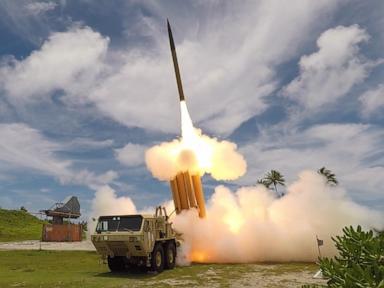
Replacing the munitions expended during the conflict accounts for the lion's share of the spending. We're talking about billions funneled into land-attack cruise missiles and high-altitude defense interceptors. When naval destroyers and air defense batteries spend weeks swatting away incoming drones and ballistic threats in the Middle East, they burn through precision inventory that takes years to manufacture. As extensively documented in latest coverage by The Wall Street Journal, the effects are worth noting.
The logistics chain takes a massive beating, too. Energy spikes ripple through the entire defense apparatus. Supply disruptions in critical maritime chokepoints like the Strait of Hormuz and the Red Sea forced the Defense Logistics Agency to absorb steep fuel surcharges. Those extra costs trickled down immediately, inflating operational expenses for flying hours, naval movements, and ground logistics.
The Interceptor Shortage Nobody Is Talking About
Money is replaceable. Strategic readiness is a different story.
One of the most alarming warnings in the budget office assessment isn't about dollars at all—it's about empty silos. The military has burned through a massive portion of its premier missile defense interceptors. Rebuilding these stockpiles won't happen overnight. Analysts estimate it could take five years or longer to restore inventories to pre-conflict levels.
This creates a dangerous strategic vulnerability. If defense stockpiles remain depleted, Washington loses flexibility elsewhere. Senior lawmakers and defense analysts have repeatedly pointed out that exhausting these resources in the Middle East leaves fewer high-end defense assets available to deter aggression in other vital theaters, such as the Indo-Pacific. When you spend your rainy-day fund all at once, you're left exposed when a real storm hits.
Why Your Grocery and Gas Bills Are Feeling the Heat
You don't need a degree in macroeconomics to understand how a Middle Eastern war reaches your local grocery store. It rides in the fuel tank of every semi-truck on the highway.
When conflict flares up in the Persian Gulf and shipping lanes face ongoing threats, global energy markets panic. Crude oil prices climb. Refining activities get disrupted, pushing up the costs of diesel, gasoline, and jet fuel. Because petroleum is a foundational input for transporting almost every physical good sold in America, higher fuel costs act as a hidden tax on everything.
The budget office explicitly tied the conflict to persistent inflationary pressure, noting that energy shocks spiked consumer prices and forced interest rates higher on Treasury securities. Projections show these energy-driven price pressures lingering well into the upcoming quarters, adding roughly half a percentage point to core inflation metrics. Every time a barrel of oil jumps because of a regional escalation, your household purchasing power shrinks a little more.
What Happens Next
The administration has pushed for massive supplemental funding packages to backfill depleted arsenals and cover ongoing combat operations, but Capitol Hill remains deeply divided over the long-term tab. Meanwhile, monthly expenditures continue to mount as low-intensity skirmishes persist alongside diplomatic stalemates.
Ignore the political spin coming from Washington. Look at the balance sheet. A thirty-eight-billion-dollar bill that grows by billions every thirty days is a heavy anchor on an economy already wrestling with stubborn price levels. The bills always come due, and they're currently being paid out of your pocket and out of America's strategic reserve.



