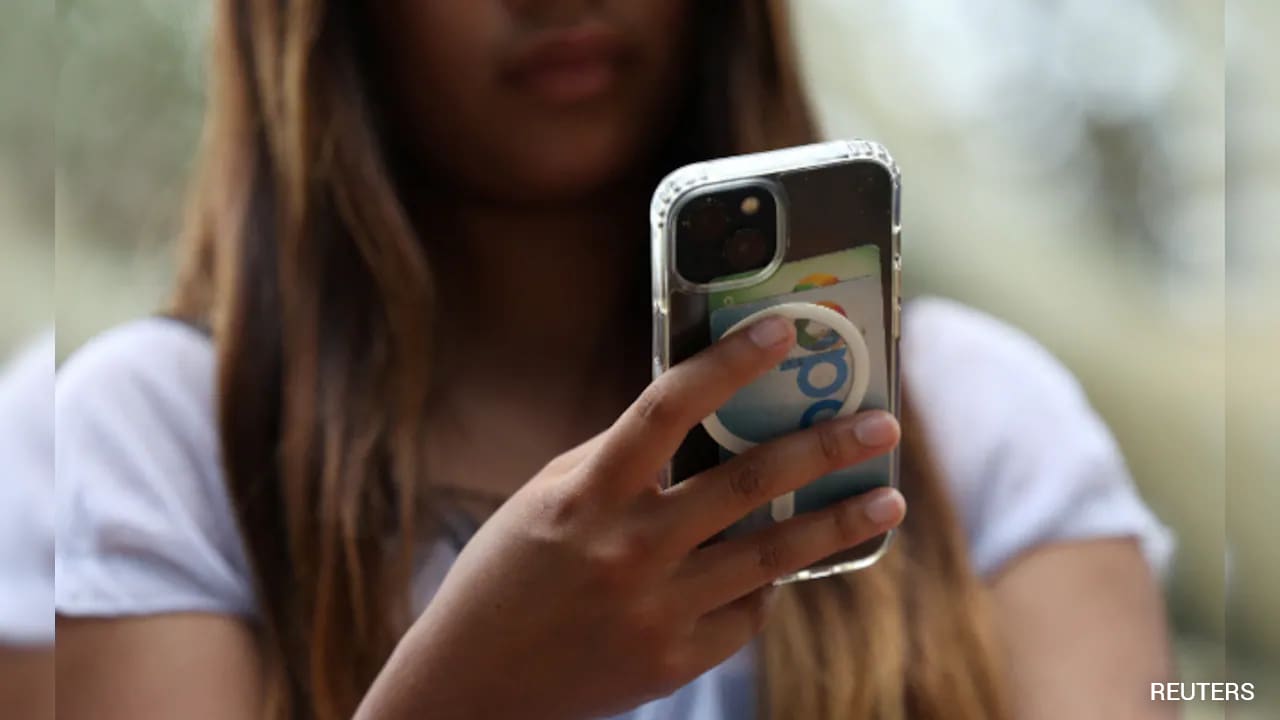
British Prime Minister Keir Starmer just dropped a massive policy bomb on tech giants and families alike. Following the path blazed by Australia, the UK government is introducing a total ban on social media for children under the age of 16. Starmer calls it an "Australia plus" model, promising to introduce the legislation before Christmas with enforcement hitting hard by spring 2027.
Parents are cheering. The government says nine out of 10 parents back the move. They are tired of watching their kids stare blankly at TikTok algorithms or deal with online bullying. But if you think this law magically restores the idyllic, pre-smartphone childhood of the 1990s, you're dreaming.
The reality of enforcing a digital border control for teenagers is messy, technically complex, and filled with loopholes. I've tracked digital policy and online safety rules for years. While the intention here is completely understandable, the execution is going to be an absolute battlefield.
What the Australia Plus Ban Actually Controls
Let's clear up exactly what is getting blocked. This isn't just a carbon copy of Australia's late 2025 ban. The UK version is much harsher. It targets the heavy hitters you expect: TikTok, Instagram, X, Facebook, and Snapchat. Surprisingly, even YouTube is on the chopping block, despite being a staple in modern classrooms and households.
But the "plus" part of the policy is where things get aggressive. The government is attacking the features that drive online harm.
- Total livestreaming blocks: Under-17s won't be allowed to access any platform with a livestream function.
- No stranger communication: Features allowing random users to message kids will be turned off by default for anyone under 17. This directly hits popular multiplayer video games.
- AI chatbot bans: Romantic or sexual AI companion bots are completely off-limits for anyone under 18.
- Late-night curfews: The government is actively drawing up plans for overnight curfews and enforced breaks in infinite scrolling for all minors under 18.
Crucially, the ban won't touch pure messaging tools like WhatsApp or Signal. Starmer wants kids to communicate with their actual friends; he just wants them off the public squares and algorithmic loops.
The Technical Nightmare of Age Verification
How do you stop a tech-savvy 14-year-old from opening an Instagram account? You can't just rely on a tick-box that asks "Are you over 18?" anymore.
To make this stick, the UK is recycling the strict age assurance protocols it set up for adult website verification. Tech platforms will have to use serious verification methods. We are talking about facial age estimation via cameras, uploading government-issued photo IDs, open banking checks, credit card verification, or mobile network operator data.
Think about the friction that creates. To let an adult or an older teen use a basic internet app, companies will have to collect deeply personal data. Critics, including Reform UK leader Nigel Farage, are already screaming that this introduces a national digital ID through the back door.
Then there's the Virtual Private Network problem. Any teenager with ten minutes of free time and a YouTube tutorial can download a VPN. By masking their location, a kid sitting in London can easily pretend they are browsing from a country without these restrictions. Unless the government plans to ban VPNs entirely—which would wreck corporate cybersecurity across the country—the tech-savvy kids will bypass this on day one.
The Real Danger of Pushing Kids Underground
The most compelling argument against a blanket ban doesn't come from tech lobbyists. It comes from child safety advocates who actually understand online spaces. Andy Burrows, chief executive of the Molly Rose Foundation, warns that an outright ban is a gamble that could quickly unravel.
When you ban major, heavily scrutinized platforms like Instagram or TikTok, you don't magically eliminate a teenager's desire for digital connection. You just push them into darker corners of the web.
Mainstream apps operate under the gaze of regulators like Ofcom. They have massive safety teams, content moderation algorithms, and report buttons. If under-16s migrate to unregulated, decentralized forums or obscure messaging apps to chat, they lose all those protections. Parents won't have a clue what platforms to monitor because they won't even recognize the apps their kids are using.
Furthermore, if tech companies lose the under-16 demographic entirely, they lose any financial incentive to build safer, kid-friendly versions of their tools. Why invest in robust parental controls or child safety research for an audience you are legally forbidden from serving?
What Parents Need to Do Right Now
Relying on the government to police your child's screen time is a losing strategy. The law won't take effect until 2027, and even then, it will be a game of digital cat-and-mouse. If you want to protect your kids, you have to take control of the hardware yourself.
First, stop waiting for the apps to lock themselves down. Learn how to use network-level parental controls. You can restrict app downloads directly through Apple's Screen Time or Google's Family Link at the operating system level. If the phone itself refuses to open an app, a VPN won't save them.
Second, consider the hardware you buy. The rise of dumbphones or highly restricted "kid-safe" smartphones is a growing market for a reason. If your child isn't mature enough to navigate the internet without algorithmic guardrails, they shouldn't have an unmonitored window to the entire world in their pocket.
Talk to your kids openly about the upcoming changes. Explain why the government is taking these steps. If you just let the ban happen without a conversation, your kids will view it as an authoritarian challenge to overcome. Build digital literacy at home, because no piece of legislation can replace active parenting.