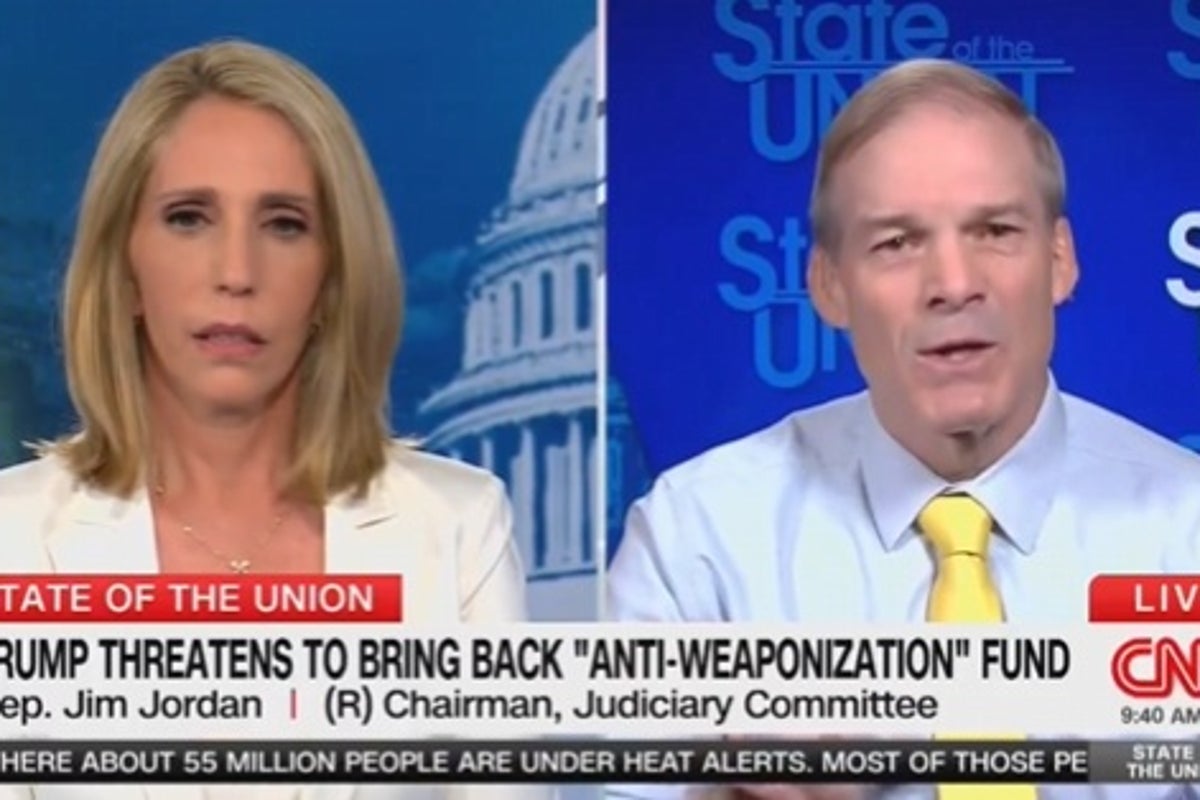
Lawmakers hate being caught between a loyal base and a fiscal nightmare. Right now, high-ranking members of the GOP are squirming through a massive internal clash over Donald Trump's controversial 1.8 billion dollar "Anti-Weaponization Fund". It is supposed to compensate people who claim they suffered from federal overreach. Critics call it a taxpayer-funded political payout machine.
The friction broke open when the Justice Department announced the colossal settlement fund tied to a lawsuit over leaked tax records. Suddenly, essential legislative priorities like border enforcement packages hit a brick wall in the Senate. Senators like John Cornyn and Thom Tillis found themselves holding the line, stalling nominations and demanding written guarantees that the fund would die. Trump responded by posting on social media that he had no problem waiting them out.
The Anatomy of a GOP Civil War
The core problem is simple. The White House wants a massive pool of money available to hand out to perceived targets of past government investigations. That list could include high-profile political figures, election deniers like Tina Peters, and even January 6 defendants who assaulted police officers.
When reporters corner vulnerable conservatives about whether this cash pool is dead or alive, the answers get messy. You see nervous smiles, sudden glances at staff, and quick changes of subject. Nobody wants to defend taxpayer money going to violent rioters, but nobody wants to draw the immediate wrath of Trump's voter base either.
Senate leadership tried to sweep the tension under the rug by passing budget reconciliation bills without amendments blocking the fund. That strategy failed to cool the room. Democrats are weaponizing the issue for upcoming elections, forcing recorded votes that put swing-state conservatives in an impossible bind.
Who Actually Benefits From the Cash
The Department of Justice claims the setup covers anyone victimized by political weaponization across federal agencies. Sounds neutral on paper. Reality is far more political.
The administration structured the settlement to draw from general coffers, which means everyday taxpayers are footing the bill for a partisan grievance mechanism. Five officials appointed by top administration loyalists would control the purse strings. There is virtually no independent oversight to stop the money from flowing directly into the bank accounts of political allies and loyalists.
That lack of guardrails is precisely why fiscal conservatives are breaking ranks. Puring billions into a discretionary pool managed by political appointees violates every traditional tenet of conservative spending limits. Yet, speaking out publicly invites immediate primary challenges from MAGA challengers.
The Stalemate Continues
The confrontation reached a boiling point when nominations like Todd Blanche for key legal posts stalled out over demands to scrap the fund permanently. Federal judges have temporarily paused aspects of the rollout, but the administration refuses to back down.
Republicans wanted a clean legislative summer focusing entirely on border security and economic talking points. Instead, they are spending precious capital defending an executive branch slush fund that divides their caucus down the middle.
The pressure isn't going away. As long as the White House insists on keeping the payout mechanism alive, every single conservative lawmaker running for re-election will have to answer for where that money goes.
Unpacking Trump's 1.8 Billion Anti-Weaponization Fund
This video provides a detailed breakdown of the mechanics behind the administration's controversial settlement fund and the mounting bipartisan questions surrounding its oversight.